Living with Hashimoto’s Thyroiditis can feel like an uphill battle that no one understands. You may struggle with unexplained fatigue, persistent weight gain, dry skin, or mood swings that disrupt your daily life.
Hashimoto’s Thyroiditis is an autoimmune condition in which the immune system attacks the thyroid gland. This attack leads to inflammation, tissue destruction, and an underactive thyroid, known as hypothyroidism.
The symptoms are not just physical- your mind struggles to focus, and emotions like sadness and frustration seem to take over.
In a study on hypothyroidism and depression, Dr. Surya P. Nuguru from the Kamineni Academy of Medical Sciences and Research Center, IND, states “Patients with hyperthyroidism commonly experience depression as a comorbidity, with the majority of cases being treatment-resistant depression”
But there is hope, and you don’t have to feel helpless! This article will help you understand Hashimoto’s symptoms, causes, and risk factors. We will also explore natural remedies like dietary changes, supplements, and stress management and the benefits of chiropractic care for Hashimoto’s Thyroiditis.
Let’s explore how natural therapies can help you gain your energy back and get your thyroid under control!
What Is Hashimoto’s Thyroiditis?

Hashimoto’s Thyroiditis, also known as chronic lymphocytic thyroiditis or chronic autoimmune thyroiditis, is an autoimmune disorder where the immune system mistakenly targets and damages the thyroid gland.
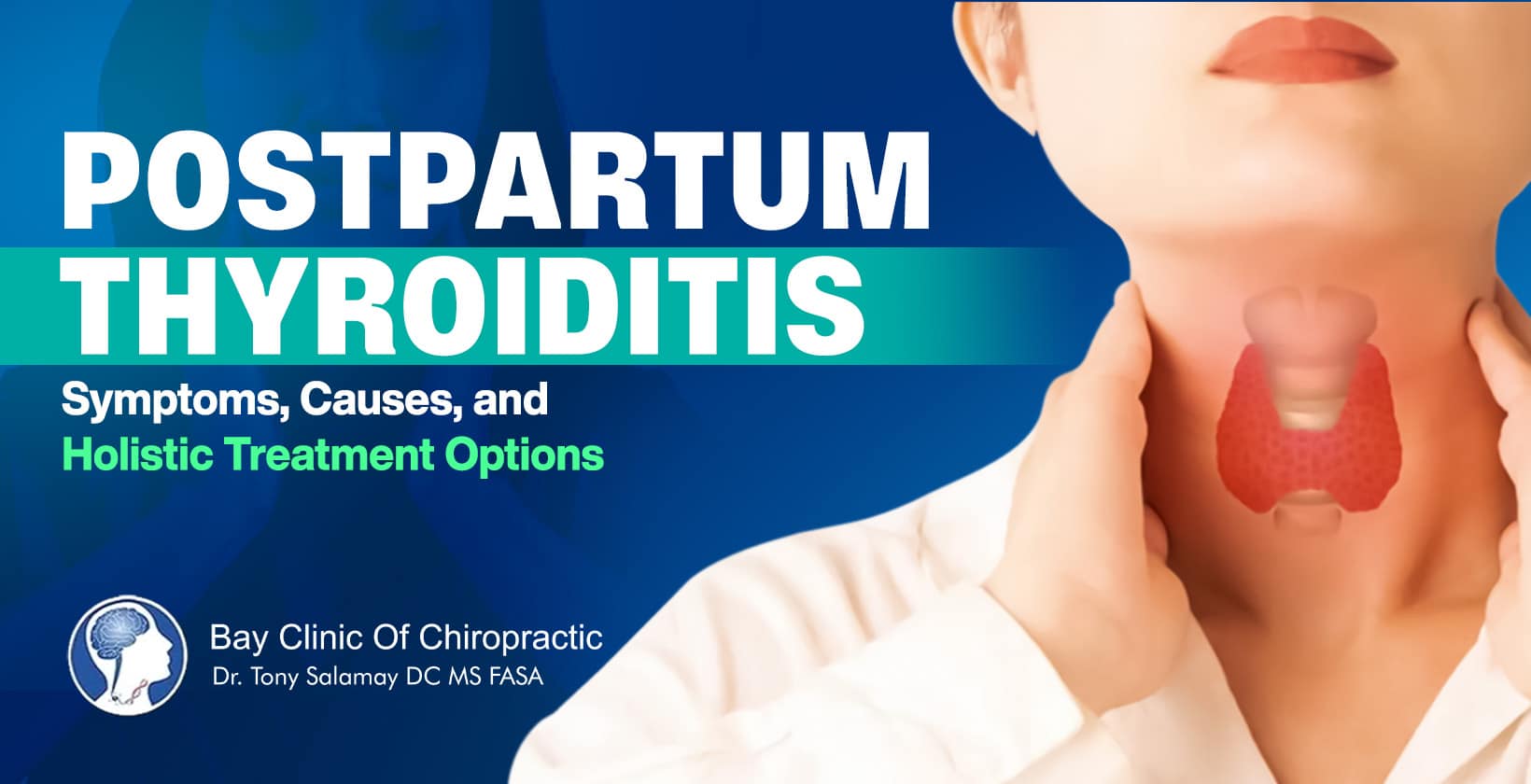
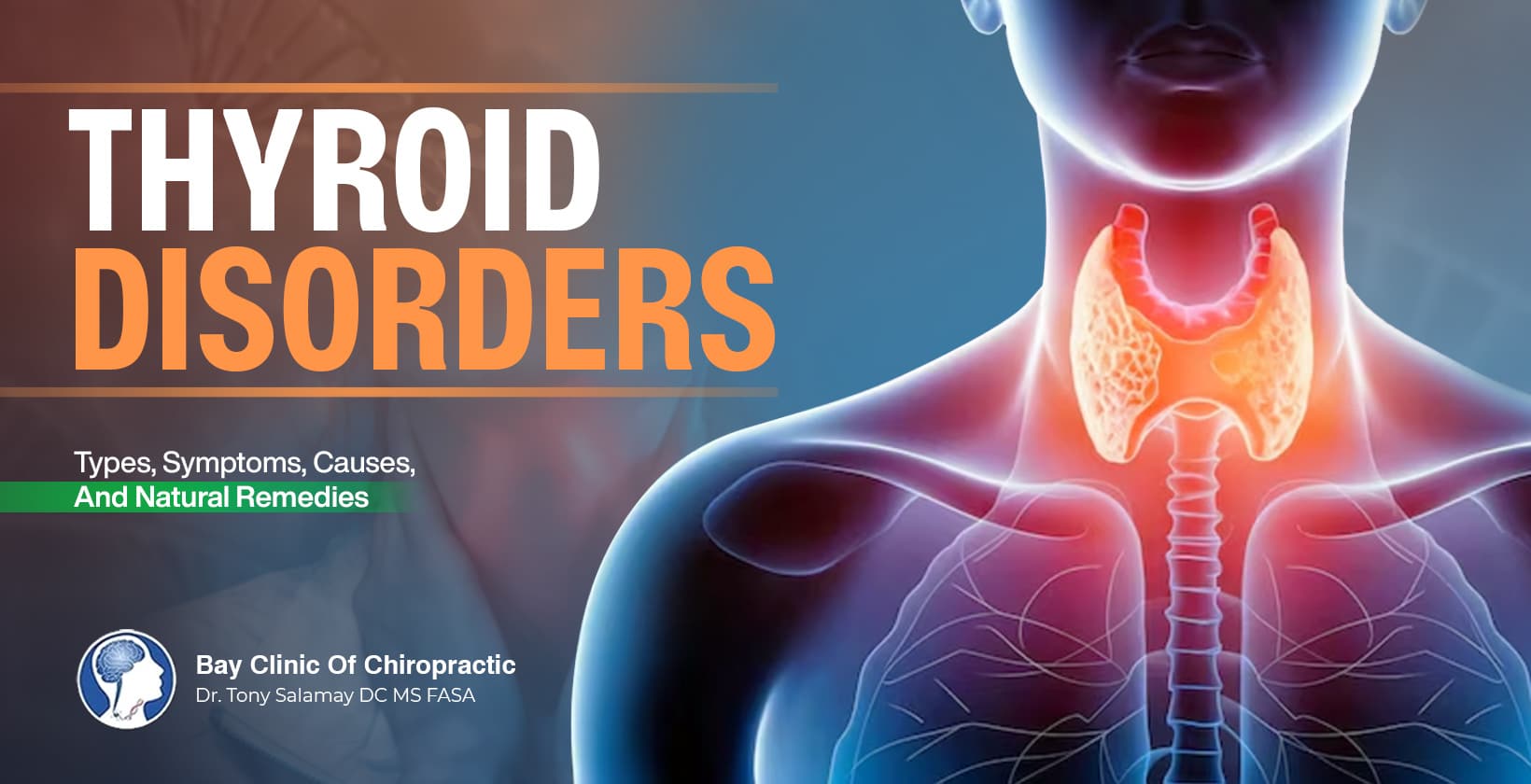
This small, butterfly-shaped gland, located at the base of the neck, is responsible for producing thyroid hormones that regulate metabolism, energy levels, and overall bodily functions.
In Hashimoto’s, the immune system produces antibodies that attack the thyroid tissues, leading to inflammation and gradual destruction. Over time, this damage reduces the gland’s ability to produce hormones resulting in hypothyroidism, or an underactive thyroid.
In a study on Hashimoto’s Thyroiditis, Dr. Dana L. Mincer from VA Medical Center, Mather, CA, states “Hashimoto is the most common cause of hypothyroidism in the United States.”
It tends to develop slowly over the years, often without noticeable symptoms in the early stages but it can lead to a variety of health issues as hormone levels drop.
What Are The Symptoms Of Hashimoto’s Thyroiditis?
The symptoms of Hashimoto’s Thyroiditis develop gradually as the thyroid gland becomes less capable of producing sufficient hormones. Early on, the condition may not cause noticeable symptoms. However, as the disease progresses and hypothyroidism sets in, individuals often experience a wide range of signs.
Dealing with ongoing thyroid symptoms? Explore our functional medicine approach to thyroid health for personalized support.
Here are the common symptoms of Hashimoto’s Thyroiditis:
- Fatigue: Persistent tiredness and low energy levels.
- Gastrointestinal Problems: Hashimoto’s can lead to digestive issues like constipation, gastritis (inflammation of the stomach), or leaky gut.

In a study on Hashimoto’s and autoimmune gastritis, Dr. Miriam Cellini from Sapienza University, Latina, Italy, states “About 40% of patients with autoimmune gastritis also present HT [Hashimoto’s Thyroiditis].”
- Sensitivity to Cold: Feeling cold even in warm environments.
- Weight Gain: Often mild or moderate, even with no changes in diet or exercise. People with Hashimoto’s Thyroiditis often find it hard to lose weight due to metabolism issues.
- Dry Skin: Skin may become flaky, rough, or itchy.
- Muscle Weakness: Weakness or lack of strength, particularly in large muscles.
- Thyroid Swelling: Also known as goiter, this can cause visible or palpable enlargement of the thyroid gland.
- Hair Thinning: Especially on the scalp and outer edges of the eyebrows.
- Slow Heart Rate: Hypothyroidism or reduced thyroid hormones can slow the heart’s rhythm (bradycardia).
Additional symptoms of Hashimoto’s Thyroiditis are:
- Depression: A low thyroid hormone level can affect mood and lead to feelings of sadness or hopelessness.
- Muscle and Joint Aches: People with Hashimoto’s commonly experience generalized pain, particularly in the joints or muscles.
- Brain Fog: Difficulty focusing, remembering details, or concentration issues.
- Hoarseness: A recipe or coarse voice.
- Puffy Face: A characteristic sign of low thyroid function.
The severity and combination of symptoms vary from person to person. Some individuals may experience more pronounced symptoms, while others may have milder manifestations that are easy to overlook.
Recognizing these symptoms early and seeking advice from a healthcare provider can lead to a timely diagnosis and management of Hashimoto’s thyroiditis.
Diagnosis of Hashimoto’s Thyroiditis
Healthcare providers use medical history, physical exams, and blood tests to diagnose Hashimoto’s Thyroiditis.
Your healthcare provider will check for fatigue, cold sensitivity, dry skin, and other symptoms related to hypothyroidism. They check for swelling in the neck, called a goiter, and check for tenderness around the thyroid gland.
They will do blood tests to assess your hormone levels such as:
- TSH (Thyroid- Stimulating Hormone): High levels suggest an underactive thyroid.
- T3 and T4 Hormones: Low levels confirm reduced thyroid function.
- Antibody Tests: These tests check for antibodies against the thyroid (anti-thyroid antibodies), such as anti-TPO or anti-thyroglobulin, linked to Hashimoto’s.
It’s important to note that the interpretation of the test results and hormone ranges vary in standard medicine and functional medicine approaches. Functional medicine practitioners, like Dr. Tony Salamay, have different ranges that allow them to seek deeper to find the root causes of your health issues.
What Causes Hashimoto’s Thyroiditis?
Hashimoto’s Thyroiditis occurs when the immune system attacks the thyroid gland, causing inflammation and damage over time.
Here are the key causes of Hashimoto’s Thyroiditis:
- Autoimmune Response: The immune system produces antibodies that target the thyroid gland, causing gradual destruction of thyroid tissue.
- Genetic Predisposition: You are more prone to developing autoimmune thyroid conditions if your close relatives also have them. In a study on the genetic aspects of Hashimoto’s Dr. Katja Zaletel from the University Medical Centre Ljubljana, Ljubljana, Slovenia, states “When both parents were affected, the prevalence of TPOAbs [thyroid peroxidase antibodies] and TgAbs [thyroglobulin antibodies] was 42% in daughters and 33% in sons, compared with 28.9% and 16.7%, respectively, when only one parent was TAb-positive.”
This means that in cases where both parents had thyroid antibodies 42 out of 100 daughters and 33 out of 100 sons also have the antibodies. In contrast, when only one parent had the antibodies, 29 out of 100 daughters and 17 out of 100 sons had them. This shows a strong genetic component to Hashimoto’s Thyroiditis.
- Environmental Triggers: Infections, stress, or exposure to certain toxins can activate the immune response against the thyroid.
- Hormonal Factors: Fluctuations in hormone levels, particularly in women, may influence the development of this condition.
Who Is Likely To Have Hashimoto’s Thyroiditis?
Some groups are at higher risk of developing Hashimoto’s due to certain risk factors. These are the risk factors for Hashimoto’s thyroiditis:
- Gender: Women are significantly more likely than men to develop Hashimoto’s. A study on estrogen and Hashimoto’s by Dr. Ana Paula Santin from the Federal University of Rio Grande do Sul, RS, Brazil concludes that “There are evidences that estrogen may have direct actions in human thyroid cells by ER [estrogen]-dependent mechanisms or not, modulating proliferation, and function.”
- Age: This condition commonly appears in middle-aged individuals, typically between 35 to 60 years old.
- Family History: Having relatives with thyroid disease or autoimmune conditions increases the risk for Hashimoto’s.
- Existing Autoimmune Conditions: People with autoimmune disorders like type 1 diabetes, rheumatic arthritis, or celiac disease are at greater risk.
- Environmental Exposure: Stress, radiation, or excessive iodine consumption can raise the likelihood of developing Hashimoto’s.
Natural Support Approaches for Hashimoto’s Thyroiditis
You can often manage Hashimoto’s Thyroiditis with a natural approach that addresses the underlying causes and improves overall health. These methods aim to support the thyroid gland, reduce inflammation, and balance the immune system.
Natural approaches focus on lifestyle changes, stress management, and nutritional support with supplements and herbal remedies. These approaches are meant to support overall thyroid health alongside, not instead of, the care your medical provider recommends.
Even if you are on medication, these holistic approaches are a great way to improve your immune, endocrine, and digestive function.
Functional Medicine
Functional medicine offers a personalized, comprehensive approach to managing Hashimoto’s Thyroiditis. This unique healthcare approach seeks to identify the root causes of chronic conditions, rather than just treating the symptoms.
Functional medicine focuses on understanding how factors like lifestyle, environment, and genetics contribute to thyroid dysfunction and immune imbalance. This approach emphasizes the connection between the body’s systems, seeing the thyroid gland, immune system, gut, and hormones as part of a unified whole.
In functional medicine, each treatment plan is personalized. Functional medicine practitioners, like Dr. Tony Salamay, consider the patient’s unique health history, current symptoms, and do functional medicine lab tests to develop a tailored treatment strategy.
This method often uncovers hidden triggers such as nutrient deficiencies, chronic stress, or gut imbalances that may worsen Hashimoto’s. Functional medicine works to reduce inflammation, improve thyroid function, and restore overall balance to the body by addressing these underlying issues.
Prevention is also a key focus and functional medicine. Practitioners guide patients in making lifestyle and dietary changes that promote long-term thyroid and immune health. This holistic and proactive approach will improve your well-being and provide better management for your Hashimoto’s symptoms.
Functional Lab Tests for Hashimoto’s Thyroiditis
Functional lab tests help uncover the specific imbalances that may affect Hashimoto’s Thyroiditis. These tests include:
- Thyroid Panel: Measures thyroid hormone levels to assess thyroid function.
- Hormone Testing: Evaluate hormone levels like estrogen, testosterone, and cortisol to identify imbalances affecting health and wellness.
- Inflammation Markers: Tests for indicators of inflammation in the body such as C-reactive protein (CRP) or Erythrocyte sedimentation rate (ESR), which may signal chronic conditions or immune system issues.
- Food Sensitivity Testing: Identifies specific foods that may trigger adverse reactions such as gluten, dairy, or other reactive foods.
- Gut Health Testing: Analysis of gut bacteria, digestion, and absorption to detect imbalances or issues like leaky gut.
- Nutrient Testing: Measures levels of essential nutrients like vitamins and minerals such as zinc, selenium, Vitamin D, and ferritin which are important for individuals with Hashimoto’s.
Dietary Changes
Dietary changes play a vital role in managing Hashimoto’s Thyroiditis. Certain foods can reduce inflammation, support thyroid function, and improve overall health, while others may trigger autoimmune responses or interfere with thyroid hormone production.
Here are some recommendations of foods to eat and foods to avoid for Hashimoto’s thyroiditis:
Foods to Eat for Hashimoto’s Thyroiditis

- Lean Proteins: Chicken, turkey, fish, tofu, and eggs provide essential amino acids that support muscle health and metabolism which can be slowed by hypothyroidism.
- Gluten-Free Grains: Quinoa, brown rice, buckwheat, and millet are free of gluten, reducing the risk of immune flare-ups and improving digestive health.
- Healthy Fats: Avocados, olive oil, nuts, and seeds are healthy fats that reduce inflammation and support the production of hormones, including thyroid hormones.
- Fermented Foods: Sauerkraut, kimchi, kefir, or yogurt promote gut health which is essential for proper immune system function. You can use dairy-free fermented foods if you don’t tolerate dairy.
- Fresh Fruits and Vegetables: Apples, oranges, carrots, berries, and leafy greens are examples of foods rich in vitamins, minerals, and antioxidants. These foods combat oxidative stress and support thyroid health.
Foods to Avoid for Hashimoto’s Thyroiditis
- Gluten-Containing Foods: Wheat, barley, rye, and baked goods that contain gluten. It can trigger immune responses and increase inflammation in people with autoimmune conditions, especially Celiac disease.
- Highly Processed Foods: Fast foods, chips, sugar, and snacks are inflammatory and nutrient-poor which can worsen symptoms and contribute to poor thyroid function.
- Cruciferous Vegetables (in excess, raw): Raw cabbage, kale, and Brussels sprouts contain goitrogens that can interfere with iodine absorption and thyroid hormone production when consumed in large amounts.
- Excessive Iodine: Large amounts of seaweed or iodine supplements can overstimulate the thyroid and worsen inflammation.
- Dairy Products: Many individuals with Hashimoto’s have difficulty digesting dairy which may increase inflammation or worsen symptoms.

Choosing the right foods for Hashimoto’s can help manage symptoms and promote long-term wellness, and seeking nutritional guidance is the best way to make sure you consume the right foods for your needs. Dr. Tony Salamay is an expert nutritionist who creates tailored plans based on thorough health evaluation.
In a case report on personalized care for Hashimotos, Dr. Karen Dolan from the Maryland University of Integrative Health, USA states “[This case report] reveals the limitations of “one size fits all” dietary approaches and the value of personalized nutrition within a therapeutic alliance. “
Supplements
Supplements can support thyroid function and reduce inflammation in Hashimoto’s. They provide essential nutrients often lacking in the diet and address specific imbalances associated with this condition.
Selenium
Selenium is a trace mineral that plays a critical role in thyroid hormone metabolism. In a study on the effect of selenium on Hashimoto’s Thyroiditis, Dr. Valentina V. Huwiler from the University of Bern, Bern, Switzerland, states “Our meta-analysis showed a consistent reduction in TPOAb levels, with significant reductions observed at 3–4 months and after at least 6 months of selenium supplementation.”
This suggests selenium plays a role in supporting healthy thyroid function. Selenium also protects the thyroid from oxidative stress by supporting antioxidant enzymes like glutathione peroxidase.
Foods naturally rich in selenium include Brazil nuts, sunflower seeds, and eggs. The daily recommended dose for selenium for adults is 55 mcg (micrograms), and 70 mcg for pregnant women. Some people may need a different amount, but excessive intake of selenium can be toxic.
Therefore, supplementing selenium should be guided by a healthcare provider or functional medicine practitioner like Dr. Tony Salamay for the correct dosage for you.
Vitamin D
Vitamin D is a fat-soluble vitamin essential for healthy immune function. Deficiency in vitamin D is common in individuals with Hashimoto’s Thyroiditis. This vitamin supports normal immune system function.
Sun exposure is the best natural source of vitamin D but it is also found in fatty fish, egg yolks, and fortified foods. The daily dose for vitamin D for adults is 800 IU but levels should be tested to determine proper dosage.
Zinc
Zinc is an essential mineral that supports thyroid hormone production and immune function. It is crucial for converting inactive T4 hormone into active T3 which the body uses for its metabolic processes. Individuals with Hashimoto’s often have low levels of zinc, so ask your healthcare provider whether testing or supplementation is right for you.
Zinc is found naturally in foods like oysters, red meat, pumpkin seeds, and chickpeas. The recommended daily dose for zinc supplements is 8-10 mg but higher doses may be needed in some cases. High doses of zinc should be taken under the supervision of a medical professional.
Herbal Remedies
Herbal remedies can provide natural support for managing symptoms of Hashimoto’s Thyroiditis. These herbs help reduce inflammation, support thyroid function, and improve overall well-being.
Ashwagandha
Ashwagandha is an adaptogenic herb known for balancing stress hormones and supporting thyroid functions. It helps reduce cortisol levels which can contribute to thyroid dysfunction when elevated.
Research suggests ashwagandha may support healthy thyroid hormone levels. Ashwagandha is available as capsules, powders, or tea.
Turmeric
Turmeric contains curcumin, a powerful anti-inflammatory compound. It supports a healthy inflammatory response and has been studied for its effects on thyroid cells. Curcumin also supports gut health which is critical for immune system regulation.
Turmeric can be consumed as a spice in cooking or as a supplement.
Ginseng
Ginseng is an adaptogen that supports energy levels, reduces fatigue, and enhances immune function. It may help support healthy energy levels and stress resilience.
Ginseng is available in various forms, including capsules, powders, and teas.
Chiropractic Care
Chiropractic care focuses on improving nervous system function and overall well-being which can indirectly benefit individuals with Hashimoto’s Thyroiditis. Misalignments in the spine may impact the nervous system and hinder communication between the brain and body.
Correcting these misalignments can reduce inflammation, improve immune function, and enhance overall health.
Chiropractic adjustments may also help reduce stress on the adrenal glands which are often overworked and individuals with autoimmune conditions. Chiropractic care can alleviate symptoms like muscle and joint pain, stiffness, and chronic fatigue by addressing musculoskeletal imbalances.
Individuals with Hashimoto’s Thyroiditis find that regular chiropractic care compliments other treatments, promoting better energy, improved sleep, and reduced systemic inflammation.
Stress Management
Chronic stress can worsen Hashimoto’s Thyroiditis by triggering inflammation. Managing stress effectively is essential for improving thyroid health and overall well-being. Stress management techniques help balance cortisol levels, reduce autoimmune activity, and promote relaxation.
Incorporating these practices into daily life can significantly improve the quality of life for individuals with Hashimoto’s.
Mindfulness and Meditation
Mindfulness and meditation involve focusing on the present moment to reduce mental clutter and lower stress levels. These practices help regulate cortisol which is often elevated in people with Hashimoto’s.
Regular meditation can improve mood, reduce anxiety, and enhance overall mental clarity. Starting with just 10 to 15 minutes a day can bring noticeable benefits.
Yoga
Yoga combines physical movement, breathing exercises, and mindfulness to promote relaxation and improve physical health. For Hashimoto’s patients, yoga can reduce stress, improve flexibility, and alleviate joint and muscle pain.
Specific poses, like the shoulder stand and fish pose, may stimulate the thyroid gland. Practicing yoga regularly compliments the treatment of hormonal imbalances.
Exercise
Exercise is a powerful stress reliever and boosts overall health. Low-impact activities like walking, swimming, or cycling can improve energy levels and reduce fatigue without straining the body.
Regular exercise supports cardiovascular health, enhances mood, and helps maintain a healthy weight. For individuals with Hashimoto’s, starting with gentle activities and gradually increasing intensity is recommended to avoid overexertion.
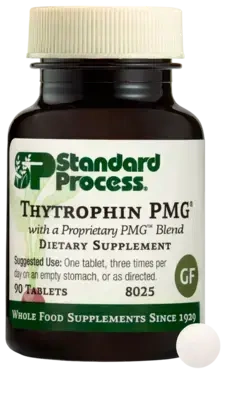
-

Thyroid Support
$28.99 90 tablets -
Thyroid Support
$19.99 100 tablets

Frequently Asked Questions
How To Lose Weight With Hashimoto’s Thyroiditis?
Losing weight with Hashimoto’s involves balancing thyroid hormones, following a nutrient-rich diet, and incorporating regular exercise. Addressing factors like inflammation and gut health supports metabolism. Consulting a healthier provider for personalized plans ensures optimal results. Stress management and sleep are also critical for sustainable weight loss.
What Is The Difference Between Graves Disease And Hashimoto Thyroiditis?
The difference between Graves disease and Hashimoto’s Thyroiditis is that Graves causes an overactive thyroid (hyperthyroidism), while Hashimoto’s leads to an underactive thyroid (hypothyroidism). They are both autoimmune thyroid disorders that involve immune attacks on the thyroid but result in opposite functional outcomes. They differ in symptoms, hormone levels, and treatment approaches.
Can Hashimoto’s Thyroiditis Be Cured?
Hashimoto’s Thyroiditis cannot be cured but it can be effectively managed. Treatment involves lifestyle changes, dietary adjustments, and hormone replacement therapy if needed. These approaches minimize symptoms, reduce inflammation, and prevent further thyroid damage. Regular monitoring by a Healthcare provider ensures optimal thyroid function.
How Do You Test For Hashimoto’s Thyroiditis?
Hashimoto’s is diagnosed through blood tests, medical history, and physical exam. Key markers include elevated TSH, low T4, and thyroid antibodies (anti-TPO and anti-thyroglobulin). Ultrasound may also assess thyroid structure. A healthcare provider evaluates these results alongside symptoms for accurate diagnosis and personalized treatment planning.
Conclusion
Hashimoto’s Thyroiditis is a complex autoimmune condition that requires a multifaceted approach to management. Natural approaches can help support overall thyroid health and well-being through dietary changes, supplements, exploring herbal remedies, and focusing on stress management.
Chiropractic care can also provide a unique benefit by promoting proper nervous system function which plays a crucial role in thyroid regulation. Combining these approaches with functional medicine offers a holistic way to achieve better health and well-being.
At the Bay Clinic of Chiropractic, we provide personalized care plans that cater to your specific needs. Our team, led by Dr. Tony Salamay, is committed to helping you take control of your health journey and live a more balanced life.
Contact the Bay Clinic of Chiropractic today to schedule a consultation at (850) 785-9372 or info@thebaydoctor.com and start your path toward better thyroid health.
References
- Nuguru SP, Rachakonda S, Sripathi S, Khan MI, Patel N, Meda RT. Hypothyroidism and Depression: A Narrative review. Cureus [Internet]. 2022 Aug 20;14(8):e28201. Available from: https://pmc.ncbi.nlm.nih.gov/articles/PMC9392461/
- Kaur J, Jialal I. Hashimoto thyroiditis [Internet]. StatPearls – NCBI Bookshelf. 2025. Available from: https://www.ncbi.nlm.nih.gov/books/NBK459262/
- Cellini M, Santaguida MG, Virili C, Capriello S, Brusca N, Gargano L, et al. Hashimoto’s thyroiditis and autoimmune gastritis. Frontiers in Endocrinology [Internet]. 2017 Apr 26;8:92. Available from: https://pmc.ncbi.nlm.nih.gov/articles/PMC5405068/
- Mikulska AA, Karaźniewicz-Łada M, Filipowicz D, Ruchała M, Główka FK. Metabolic Characteristics of Hashimoto’s thyroiditis patients and the Role of Microelements and Diet in the Disease Management—An Overview. International Journal of Molecular Sciences [Internet]. 2022 Jun 13;23(12):6580. Available from: https://pmc.ncbi.nlm.nih.gov/articles/PMC9223845/
- He YL, Xu WX, Fang TY, Zeng M. Hyperthyroidism and severe bradycardia: Report of three cases and review of the literature. World Journal of Clinical Cases [Internet]. 2023 Mar 1;11(7):1549–59. Available from: https://pmc.ncbi.nlm.nih.gov/articles/PMC10011989/
- Nuguru SP, Rachakonda S, Sripathi S, Khan MI, Patel N, Meda RT. Hypothyroidism and Depression: A Narrative review. Cureus [Internet]. 2022 Aug 20;14(8):e28201. Available from: https://pmc.ncbi.nlm.nih.gov/articles/PMC9392461/
- Klubo-Gwiezdzinska J, Wartofsky L. Hashimoto thyroiditis: an evidence-based guide: etiology, diagnosis and treatment. Polskie Archiwum Medycyny Wewnętrznej [Internet]. 2022 Mar 3;132(3). Available from: https://pmc.ncbi.nlm.nih.gov/articles/PMC9478900/#S4
- Zaletel K, Gaberscek S. Hashimotos thyroiditis: From genes to the disease. Current Genomics [Internet]. 2011 Nov 14;12(8):576–88. Available from: https://pmc.ncbi.nlm.nih.gov/articles/PMC3271310/
- Brent GA. Environmental exposures and autoimmune thyroid disease. Thyroid [Internet]. 2010 Jun 26;20(7):755–61. Available from: https://pmc.ncbi.nlm.nih.gov/articles/PMC2935336/
- Santin AP, Furlanetto TW. Role of estrogen in thyroid function and growth regulation. Journal of Thyroid Research [Internet]. 2011 Jan 1;2011:1–7. Available from: https://pmc.ncbi.nlm.nih.gov/articles/PMC3113168/
- Sohn SY, Inoue K, Rhee CM, Leung AM. Risks of iodine excess. Endocrine Reviews [Internet]. 2024 Jun 13;45(6):858–79. Available from: https://academic.oup.com/edrv/article/45/6/858/7693016?login=false
- Bland JS. Functional Medicine past, present, and future [Internet]. 2022. Available from: https://pmc.ncbi.nlm.nih.gov/articles/PMC9173848/
- Aktaş HŞ. Vitamin B12 and Vitamin D Levels in Patients with Autoimmune Hypothyroidism and Their Correlation with Anti-Thyroid Peroxidase Antibodies. Medical Principles and Practice [Internet]. 2019 Nov 29;29(4):364–70. Available from: https://pmc.ncbi.nlm.nih.gov/articles/PMC7445676/
- Sinha SR, Prakash P, Keshari JR, Kumari R, Prakash V. Assessment of serum cortisol levels in Hypothyroidism patients: A Cross-Sectional Study. Cureus [Internet]. 2023 Dec 8;15(12):e50199. Available from: https://pmc.ncbi.nlm.nih.gov/articles/PMC10772313/
- Piticchio T, Frasca F, Malandrino P, Trimboli P, Carrubba N, Tumminia A, et al. Effect of gluten-free diet on autoimmune thyroiditis progression in patients with no symptoms or histology of celiac disease: a meta-analysis. Frontiers in Endocrinology [Internet]. 2023 Jul 24;14:1200372. Available from: https://pmc.ncbi.nlm.nih.gov/articles/PMC10405818/
- Poli A, Agostoni C, Visioli F. Dietary Fatty Acids and Inflammation: Focus on the n-6 Series. International Journal of Molecular Sciences [Internet]. 2023 Feb 26;24(5):4567. Available from: https://pmc.ncbi.nlm.nih.gov/articles/PMC10003459/
- Macvanin MT, Gluvic Z, Zafirovic S, Gao X, Essack M, Isenovic ER. The protective role of nutritional antioxidants against oxidative stress in thyroid disorders. Frontiers in Endocrinology [Internet]. 2023 Jan 4;13:1092837. Available from: https://pmc.ncbi.nlm.nih.gov/articles/PMC9846570/
- Cenni S, Sesenna V, Boiardi G, Casertano M, Russo G, Reginelli A, et al. The Role of gluten in Gastrointestinal Disorders: A review. Nutrients [Internet]. 2023 Mar 27;15(7):1615. Available from: https://pmc.ncbi.nlm.nih.gov/articles/PMC10096482/
- Manappallil RG, Muralidharan R, Shalu S, Haneef F. Hashimoto’s thyroiditis aggravated by goitrogenic diet presenting as rhabdomyolysis worsened by alcohol intake. BMJ Case Reports [Internet]. 2021 Jul 1;14(7):e243385. Available from: https://pmc.ncbi.nlm.nih.gov/articles/PMC8273470/
- Dolan K, Finley H, Gasta M, Houseman S. Managing Hashimoto’s thyroiditis through personalized care: a case report. Altern Ther Health Med. 2018;24(3):56-61. Available from: https://todayspractitioner.com/wp-content/uploads/2018/08/hashimotos_alt-therapies-.pdf
- Huwiler VV, Maissen-Abgottspon S, Stanga Z, Mühlebach S, Trepp R, Bally L, et al. Selenium Supplementation in Patients with Hashimoto Thyroiditis: A Systematic Review and Meta-Analysis of Randomized Clinical Trials. pmc.ncbi.nlm.nih.gov [Internet]. 2024 Mar 13; Available from: https://doi.org/10.1089/thy.2023.0556
- Ucan B, Sahin M, Arslan MS, Bozkurt NC, Kizilgul M, Güngünes A, et al. Vitamin D Treatment in Patients with Hashimoto’s Thyroiditis may Decrease the Development of Hypothyroidism. International Journal for Vitamin and Nutrition Research [Internet]. 2016 Feb 1;86(1–2):9–17. Available from: https://www.imrpress.com/journal/IJVNR/86/1-2/10.1024/0300-9831/a000269
- Binitha M, Betsy A, Sarita S. Zinc deficiency associated with hypothyroidism: An overlooked cause of severe alopecia. International Journal of Trichology [Internet]. 2013 Jan 1;5(1):40. Available from: https://pmc.ncbi.nlm.nih.gov/articles/PMC3746228/
- Chengappa KR, Gannon J, Forrest P. Subtle changes in thyroid indices during a placebo-controlled study of an extract of Withania somnifera in persons with bipolar disorder. Journal of Ayurveda and Integrative Medicine [Internet]. 2014 Jan 1;5(4):241. Available from: https://pmc.ncbi.nlm.nih.gov/articles/PMC4296437/
- Abdelaleem MM, El-Tahawy NFG, Abozaid SMM, Abdel-Hakim SAB. Possible protective effect of curcumin on the thyroid gland changes induced by sodium fluoride in albino rats: light and electron microscopic study. Endocrine Regulations [Internet]. 2018 Apr 1;52(2):59–68. Available from: https://reference-global.com/article/10.2478/enr-2018-0007
- Xiao H, Tan C, Yang G, Dou D. The effect of red ginseng and ginseng leaves on the substance and energy metabolism in hypothyroidism rats. Journal of Ginseng Research [Internet]. 2017 Jan 16;41(4):556–65. Available from: https://pmc.ncbi.nlm.nih.gov/articles/PMC5628355/
- Arick CT. Chiropractic management of a patient with chronic fatigue: a case report. Journal of Chiropractic Medicine [Internet]. 2016 Oct 20;15(4):314–20. Available from: https://pmc.ncbi.nlm.nih.gov/articles/PMC5106444/
- Koncz A, Demetrovics Z, Takacs ZK. Meditation interventions efficiently reduce cortisol levels of at-risk samples: a meta-analysis. Health Psychology Review [Internet]. 2020 Jul 7;15(1):56–84. Available from: https://www.tandfonline.com/doi/full/10.1080/17437199.2020.1760727
- Baishya A, Metri K. Effects of yoga on hypothyroidism: A systematic review. Journal of Ayurveda and Integrative Medicine [Internet]. 2024 Mar 1;15(2):100891. Available from: https://pmc.ncbi.nlm.nih.gov/articles/PMC10966165/
- Werneck FZ, Coelho EF, Almas SP, Garcia MMDN, Bonfante HLM, De Lima JRP, et al. Exercise training improves quality of life in women with subclinical hypothyroidism: a randomized clinical trial. Archives of Endocrinology and Metabolism [Internet]. 2018 Oct 1;62(5):530–6. Available from: https://pmc.ncbi.nlm.nih.gov/articles/PMC10118651/