The postpartum period is an emotional rollercoaster but when exhaustion, mood swings, and unexplained weight changes take over, it’s more than just “adjusting” to motherhood.
These could be signs of Postpartum Thyroiditis– a temporary inflammation of the thyroid gland that affects women in the first year of giving birth, having a miscarriage, or having an abortion.
You may experience symptoms such as:
- Fatigue
- Mood Changes
- Heart Palpitations
- Unexplained Weight Fluctuations
- Hair Loss
- Anxiety or Depression
In a study on postpartum thyroiditis, Dr. Erin Joanne Keely from the University of Ottawa, Ontario, Canada, states “The overall prevalence of postpartum thyroiditis is approximately 8% of pregnancies.”The hormonal shifts and physical demands of the postpartum period can leave you feeling depleted but understanding the root cause of your symptoms is crucial.
Postpartum thyroiditis often begins silently, with subtle symptoms that can escalate if left untreated. Whether it manifests as an overactive or underactive thyroid, this condition disrupts the delicate balance your body needs to recover and thrive.
Early awareness and a comprehensive approach to the treatment can make all the difference in reclaiming your health and energy.
This article explores everything you need to know about postpartum thyroiditis, from its symptoms and causes to natural effective treatments. Discover how functional medicine, dietary changes, supplements, herbal remedies, and holistic therapies like chiropractic care and stress management can help restore your energy and well-being naturally.
Take the first step to overcoming the challenges of postpartum thyroiditis and thrive in this beautiful stage of life! Keep reading to learn about your holistic support options!
What Is Postpartum Thyroiditis?

Postpartum Thyroiditis is an inflammation of the thyroid gland that occurs in the first year after childbirth. This condition often begins with a short period of an overactive thyroid (hyperthyroidism) followed by a longer period of an underactive thyroid (hypothyroidism).
Postpartum thyroiditis is a subtype of silent thyroiditis or subacute thyroiditis. In most cases, the thyroid returns to normal function within 12 to 18 months but others may develop permanent hypothyroidism.
Postpartum thyroiditis presents in three phases, overactive thyroid, underactive thyroid, and recovery phase. Here’s a breakdown of the clinical course of Postpartum Thyroiditis:
Phase 1: Overactive Thyroid (Hyperthyroidism)
The initial hyperthyroidism phase typically occurs within the first 1-4 months after the delivery of a child, after a miscarriage, or after an abortion. This is also called the thyrotoxic phase because the inflammation causes the thyroid to release more thyroid hormones into the bloodstream, leading to thyrotoxicosis and an overactive thyroid.
Phase 2: Underactive Thyroid (Hypothyroidism)
The hypothyroidism typically occurs between 4-8 months postpartum. The inflammation causes the thyroid not to secrete enough hormones and become underactive. This leads to symptoms of hypothyroidism.
Phase 3: Recovery
In most cases, the thyroid gland recovers, and hormone levels return to normal within a year up to 18 months. However, some women develop chronic hypothyroidism.
In a 2024 study on updates on endocrine disorders in pregnancy and postpartum, Dr. Kelly D. Rosenberger from the University of Illinois Chicago in Chicago, Ill, USA, states “Twenty to thirty percent of patients with postpartum thyroiditis go on to have persistent hypothyroidism”
This means that 20 to 30 women out of 100 women with Postpartum Thyroiditis will develop permanent hypothyroidism and need life-long management.
Most women experience the symptoms in the underactive thyroid phase, while a smaller percentage experience just the overactive thyroid phase or both phases. Studies show that 42% of postpartum women experience the underactive thyroid phase, 32% experience the overactive thyroid phase, and 25% experience both phases.
Not feeling like yourself after childbirth? Discover our personalized hormonal health care to better understand your symptoms.
What Are The Symptoms of Postpartum Thyroiditis?

The symptoms of Postpartum Thyroiditis depend on whether the thyroid is overactive or underactive during each phase of the condition.
Symptoms of Overactive Thyroid (Hyperthyroidism)
- Increased Heart Rate: A rapid or irregular heartbeat, sometimes accompanied by palpitations.
- Unexplained Weight Loss: Losing 5-10 lbs (2.2-4.5 kg) without changes in diet or exercise.
- Anxiety and Irritability: Feeling nervous or agitated more than usual.
- Excessive Sweating: Sweating without apparent cause, even in cool environments.
- Tremors: Mild shaking in the hands or fingers.
- Heat Intolerance: Difficulty tolerating warm temperatures.
- Insomnia: Trouble falling or staying asleep.
Symptoms of Underactive Thyroid (Hypothyroidism)
- Fatigue: Persistent tiredness and lack of energy.
- Weight Gain: Difficulty losing weight or unexpected weight gain.
- Depression: Feeling sad, low, or unmotivated.
- Cold Intolerance: Increased sensitivity to cold temperatures.
- Dry Skin and Hair: Skin may become rough, and hair can become brittle and fall out.
- Constipation: A slowed digestive process leading to bowel dysfunction.
- Muscle Weakness: Especially in the arms and legs.
- Brain Fog: Difficulty concentrating or remembering things.
These symptoms can be subtle, and many overlap with typical postpartum experiences, making diagnosis challenging. Recognizing these changes and seeking appropriate guidance from a healthcare provider is critical for effective management.

What Are The Causes of Postpartum Thyroiditis?
Postpartum thyroiditis is believed to result from immune, hormonal, and genetic factors. Below are the primary causes and contributing factors.
- Autoimmune Response: Postpartum thyroiditis is often linked to autoimmune disorders, particularly Hashimoto’s thyroiditis. During pregnancy, the immune system is transient and can be suppressed to protect the baby from rejection by the mother’s immune system. After childbirth, the immune system becomes reactivated, sometimes attacking the thyroid gland.
- Hormonal Fluctuations: Pregnancy and childbirth involve significant hormonal changes, including a sharp drop in estrogen and progesterone. These fluctuations can disrupt thyroid function and trigger inflammation.
- Genetic Predisposition: Women with a family history of thyroid or autoimmune conditions such as Hashimoto’s thyroiditis, Graves disease, or Type 1 diabetes, are at a higher risk of developing postpartum thyroiditis.
- Pre-existing Thyroid Antibodies: Women with thyroid antibodies, such as anti-thyroid peroxidase (anti-TPO) antibodies, before or during pregnancy are more likely to develop postpartum thyroiditis.
- Previous Episodes of Postpartum Thyroiditis: Women who have had postpartum thyroiditis after a previous pregnancy have an increased risk of experiencing it again.
- Other Autoimmune Conditions: Conditions like Type 1 Diabetes, Celiac disease, or Lupus can increase the likelihood of developing postpartum thyroiditis due to shared autoimmune mechanisms.
In a study on Type 1 Diabetes and autoimmune thyroid disease, Dr. Lara Frommer from Johannes Gutenberg University (JGU) Medical Center, Mainz, Germany, states “T1D [type 1 diabetes] and AITD [autoimmune thyroid disease] often cluster in individuals and families, seen in the formation of autoimmune polyendocrinopathy (AP).” Their shared genetic background explains the close relationship between these two autoimmune conditions. This highlights both the genetic and autoimmune components of the cause of postnatal thyroiditis.
- Environmental Triggers: Stress, infections, and other environmental factors after delivery may trigger or worsen thyroid inflammation.
- Iodine Levels: Both excessive and deficient iodine levels can affect thyroid function, making the gland more vulnerable to inflammation.
Natural Support Options for Postpartum Thyroiditis
Natural support for postpartum thyroiditis focuses on supporting the body’s natural recovery without introducing harsh or unnecessary interventions.
These natural approaches prioritize balancing hormones, reducing inflammation, and improving overall health through gentle, natural strategies. They are essential for new mothers, as they promote recovery while considering the unique demands of the postpartum period, such as breastfeeding and caring for a newborn.
Addressing the root causes of postpartum thyroiditis naturally can alleviate symptoms, prevent long-term complications, and enhance overall well-being. At the Bay Clinic of Chiropractic in Panama City, Florida, we support and guide new mothers in the journey of motherhood with holistic methods.
Functional Medicine
Functional medicine is a personalized approach to healthcare that identifies and addresses the root causes of illness. This patient-centered method considers how factors like diet, stress, and immune function interact to influence health.
Functional medicine focuses on hormonal balance, immune system support, and nutritional optimization for postpartum thyroiditis.
Functional medicine practitioners, like Dr. Tony Salamay from the Bay Clinic of Chiropractic, use advanced testing to identify specific imbalances and create tailored treatment plans. These personalized treatment plans include dietary changes, supplements, and lifestyle modifications.
Functional medicine is a holistic approach that looks at inflammation, thyroid health and long-term wellness.
Dietary Changes

A nutrient-dense diet is crucial in managing postpartum thyroiditis by supporting thyroid health, reducing inflammation, and balancing hormones. Incorporating specific food groups can enhance recovery while avoiding certain foods can prevent exacerbating symptoms.
Foods to Eat for Postpartum Thyroiditis
- Lean Proteins: Chicken, fish, tofu, and legumes are important for hormone production and energy.
- Healthy Fats: Avocado, olive oil, nuts, and seeds are rich in healthy fats that lower inflammation.
- Gluten-Free, High-Fiber Grains: Quinoa, buckwheat, and brown rice aid digestion and prevent constipation.
- Fruits and Vegetables: Berries, spinach, apples, oranges, carrots, and others are rich in antioxidants that help protect against oxidative stress.
- Fermented Foods: Kimchi, sauerkraut, and kefir promote gut health.
Foods to Avoid for Postpartum Thyroiditis
- Processed Foods: Chips, packaged snacks, and sausages contain food additives and trans fats that worsen inflammation.
- Refined Sugars: Candy, pastries, and soda cause blood sugar imbalances and fatigue.
- Gluten: Wheat, rye, barley, and baked goods can trigger autoimmune reactions in sensitive individuals.
- Soy Products: Soy milk, tofu, or other soy products may affect thyroid hormone absorption.
- Excessive Caffeine: Coffee and energy drinks with a lot of caffeine increase anxiety and disrupt hormone regulation.

Supplements
Supplements can be a helpful part of postpartum thyroid support. They help address nutrient gaps and support healthy hormone production and normal immune function.
They work alongside lifestyle changes and holistic approaches to make recovery faster and easier. While supplements are beneficial, consulting a healthcare provider or a functional medicine practitioner for proper dosage is essential, especially during the postpartum period.
Below are key nutrients often discussed for postpartum thyroid support, naturally.
Selenium
Selenium is an essential mineral for thyroid hormone metabolism and protecting the gland from oxidative stress. It supports normal immune function and thyroid health.
Selenium is naturally found in Brazil nuts, seafood, eggs, and whole grains. Research indicates it can play a role in thyroid health, and it has been studied in people with autoimmune thyroid conditions. The recommended daily dose for adults is 55-200 mcg.
Taking selenium supplements is best done with guidance from a healthcare professional, as high doses can cause adverse effects.
Bromelain
Bromelain is a natural enzyme extracted from pineapple stems. It has potent anti-inflammatory properties and may support a healthy inflammatory response.
It also supports digestion and immune system function. Bromelain can be consumed through fresh pineapple or supplements, typically available in tablet or capsule form. The recommended daily dose ranges from 40-800 mg but in some cases, the recommended doses go up to 2000 mg.
Vitamin D
Vitamin D is a fat-soluble vitamin essential for immune regulation and bone health. It plays a critical role in regulating autoimmunity, a major factor in postpartum thyroiditis.
Low vitamin D levels are commonly linked to thyroid dysfunction. According to a study by Dr. Inês Henriques Vieira from the Endocrinology Department of Coimbra Hospital and University Centre, Portugal, “Analyses performed on women with PPT [postpartum thyroiditis] also identified a relationship between lower levels of 25(OH)D and development of the disease”
Sources include sunlight exposure, fatty fish, fortified dairy products, and mushrooms. Supplementation is often unnecessary, with doses ranging from 800 to 2000 IU daily.
Adequate vitamin D helps reduce inflammation, balance hormones, and support overall postpartum recovery.
Herbal Remedies
Herbal remedies provide natural support for thyroid health, offering anti-inflammatory, hormone-balancing, and immune-regulating properties.
They are gentle, effective, and often come with minimal side effects, making them suitable for postpartum thyroiditis management.
Below are 4 herbs known for their benefits in thyroid health.
Black Cumin
Black cumin (nigella sativa) seeds have powerful antioxidant, anti-inflammatory, and immune-regulating properties. They support normal immune function.
Black cumin can be consumed as an oil (1-2 teaspoons daily) or ground seeds added to meals. It has been studied for its role in thyroid and immune health.
Bunium incrassatum
Bunium incrassatum, a lesser-known herb, supports thyroid function by reducing fatigue and enhancing hormonal balance.
It is typically consumed as a tea or tincture. Regular use, guided by an experienced functional medicine practitioner, can improve energy levels and overall thyroid health.
Bugleweed
Bugleweed (ajuga reptans lycopus) is an herb traditionally used in thyroid support protocols. It should only be used under the guidance of a qualified practitioner, especially while breastfeeding.
Bugleweed is usually taken as a tincture; ask your healthcare provider whether it is appropriate for you and how much to use.
Turmeric
Turmeric is a powerful anti-inflammatory herb that supports thyroid health and overall immunity. Its active compound curcumin, helps reduce oxidative stress and inflammation.
Turmeric can be added to meals, taken as a tea, or consumed as a curcumin supplement. The typical recommended dose is 500-2000 mg per day.
Chiropractic Care
Chiropractic care focuses on spinal alignment to improve nervous system function. Chiropractic adjustments for postpartum thyroiditis can enhance blood flow and nerve communication to the thyroid.
This improves hormone regulation and alleviates symptoms like chronic fatigue and mood swings. Experienced chiropractors, like Dr. Tony Salamay from the Bay Clinic of Chiropractic, look at the person as a whole and use a comprehensive approach when addressing issues like postpartum thyroiditis.
Acupressure
Acupressure involves applying pressure to specific points on the body to improve energy flow and reduce symptoms, either manually, with special instruments, or with acupuncture.
Stimulating specific points for postpartum thyroiditis can support thyroid function and alleviate fatigue.
Stress Management
Stress management is essential for postpartum thyroiditis recovery, as stress significantly impacts thyroid function. Reducing stress levels helps balance hormones, improve immune response, and promote healing.
Incorporating activities that lower cortisol levels can make recovery faster and enhance overall well-being.
Physical Activity
Light exercise, such as walking, yoga, or stretching, reduces inflammation, boosts circulation, and improves energy levels. Engaging in 20 to 30 minutes of activity daily helps manage stress and supports thyroid recovery.
Mindfulness and Meditation
Mindfulness practices reduce anxiety and promote relaxation. Meditation, even for 10-15 minutes a day, helps regulate the hypothalamic-pituitary-thyroid axis, improving hormonal balance and mental clarity.
The hypothalamic-pituitary-thyroid axis regulates thyroid hormone production through interactions between the brain (hypothalamus and pituitary gland) and the thyroid gland.
Deep Breathing
Deep breathing exercises lower cortisol levels and promote a calm state. Techniques like diaphragmatic breathing or the 4-7-8 method can be practiced multiple times daily to reduce stress and support thyroid health.
The 4-7-8 method is a type of breathwork that can calm the nervous system. Start by placing the tip of your tongue behind your upper front teeth, then exhale through your mouth, making a whooshing sound. Then inhale through your nose for four counts, hold for seven, and exhale through your nose for eight, repeating four times.
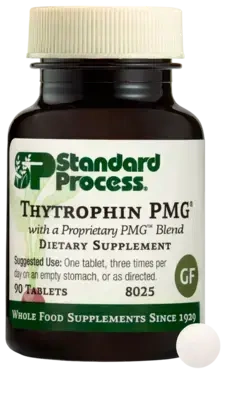
-

Thyroid Support
$28.99 90 tablets -
Thyroid Support
$19.99 100 tablets

Frequently Asked Questions
What Is The Difference Between Graves Disease And Postpartum Thyroiditis?
Graves’ disease is an autoimmune disorder that causes hyperthyroidism due to overstimulation of the thyroid glands. Postpartum thyroiditis is a temporary thyroid inflammation that occurs after childbirth. Postpartum thyroiditis has phases of hyperthyroidism and hypothyroidism, and it often resolves spontaneously within a year.
Can Postpartum Thyroiditis Cause Depression?
Yes, postpartum thyroiditis can cause depression, particularly during the hypothyroid phase. Hormonal imbalances affect mood regulation and thyroid dysfunction may exacerbate postpartum depression. This highlights the importance of popper diagnosis and treatment to alleviate symptoms and support emotional well-being.
What Is The Difference Between Postpartum Thyroiditis And Hashimoto’s Thyroiditis?
Postpartum thyroiditis is an autoimmune inflammation of the thyroid after delivering a baby. Hashimoto’s thyroiditis is a chronic autoimmune condition that causes progressive hypothyroidism. Hashimoto’s thyroiditis requires lifelong management, often with thyroid hormone replacement therapy. You can also manage autoimmune conditions like Hashimoto’s naturally with the help of our expert Dr. Tony Salamay.
Can Postpartum Thyroiditis Cause Extreme Fatigue?
Yes, postpartum thyroiditis can cause extreme fatigue, especially during the hypothyroid phase. Low thyroid hormone levels slow metabolism, resulting in exhaustion. Proper diagnosis and treatment are crucial to restore energy and thyroid function. Natural support for chronic fatigue looks for root causes and supports long-term wellness.
Conclusion
Postpartum thyroiditis can be overwhelming. But with the right approach- like dietary adjustments, supplements, stress management, and other holistic therapies- you can restore balance and feel like yourself again.
These gentle, supportive methods address the root causes of thyroid dysfunction and promote overall well-being when your body needs care the most.
The Bay Clinic of Chiropractic is here to guide you every step of the way! With expert care in functional medicine, chiropractic adjustments, and holistic solutions, we tailor treatments to your unique needs.
Don’t let postpartum thyroiditis disrupt this precious phase of your life!
Take control of your postpartum thyroid health by embracing natural solutions and effective treatment options, guided by Dr. Tony Salamay! Contact the Bay Clinic of Chiropractic today at (850) 785-9372 or info@thebaydoctor.com to schedule your personalized consultation and start your journey to improved health and vitality.
Your wellness and happiness are our priority!
References
- Keely EJ. Postpartum thyroiditis: an autoimmune thyroid disorder which predicts future thyroid health. Obstetric Medicine [Internet]. 2011 Mar 1;4(1):7–11. Available from: https://pmc.ncbi.nlm.nih.gov/articles/PMC4989649/
- Inaba H, Akamizu T. Postpartum thyroiditis [Internet]. Endotext – NCBI Bookshelf. 2018. Available from: https://www.ncbi.nlm.nih.gov/sites/books/NBK278999/
- Rosenberger KD, Parker N. Updates on thyroid disorders in pregnancy and the postpartum period. The Nurse Practitioner [Internet]. 2024 Jan 25;49(2):31–7. Available from: https://pmc.ncbi.nlm.nih.gov/articles/PMC10795967/
- Rad SN, Deluxe L. Postpartum thyroiditis [Internet]. StatPearls – NCBI Bookshelf. 2023. Available from: https://www.ncbi.nlm.nih.gov/books/NBK557646/
- Doubleday AR, Sippel RS. Hyperthyroidism. Gland Surgery [Internet]. 2020 Jan 18;9(1):124–35. Available from: https://pmc.ncbi.nlm.nih.gov/articles/PMC7082267/
- Chaker L, Bianco AC, Jonklaas J, Peeters RP. Hypothyroidism. The Lancet [Internet]. 2017 Mar 21;390(10101):1550–62. Available from: https://pmc.ncbi.nlm.nih.gov/articles/PMC6619426/
- Huang N, Chi H, Qiao J. Role of regulatory T cells in regulating Fetal-Maternal immune tolerance in healthy pregnancies and reproductive diseases. Frontiers in Immunology [Internet]. 2020 Jun 26;11:1023. Available from: https://pmc.ncbi.nlm.nih.gov/articles/PMC7333773/
- Tomer Y. Genetic susceptibility to autoimmune thyroid disease: past, present, and future. Thyroid [Internet]. 2010 Jul 1;20(7):715–25. Available from: https://pmc.ncbi.nlm.nih.gov/articles/PMC2949235/
- Frommer L, Kahaly GJ. Type 1 diabetes and Autoimmune thyroid Disease—The Genetic link. Frontiers in Endocrinology [Internet]. 2021 Mar 10;12:618213. Available from: https://pmc.ncbi.nlm.nih.gov/articles/PMC7988207/
- Bílek R, Dvořáková M, Grimmichová T, Jiskra J. Iodine, thyroglobulin and thyroid gland. Physiological Research [Internet]. 2020 Sep 30;69(Suppl 2):S225–36. Available from: https://pmc.ncbi.nlm.nih.gov/articles/PMC8603726/
- Bland JS. Functional Medicine past, present, and future [Internet]. 2022. Available from: https://pmc.ncbi.nlm.nih.gov/articles/PMC9173848/
- Poli A, Agostoni C, Visioli F. Dietary Fatty Acids and Inflammation: Focus on the n-6 Series. International Journal of Molecular Sciences [Internet]. 2023 Feb 26;24(5):4567. Available from: https://pmc.ncbi.nlm.nih.gov/articles/PMC10003459/
- Macvanin MT, Gluvic Z, Zafirovic S, Gao X, Essack M, Isenovic ER. The protective role of nutritional antioxidants against oxidative stress in thyroid disorders. Frontiers in Endocrinology [Internet]. 2023 Jan 4;13:1092837. Available from: https://pmc.ncbi.nlm.nih.gov/articles/PMC9846570/
- Paramasivam A, Murugan R, Jeraud M, Dakkumadugula A, Periyasamy R, Arjunan S. Additives in Processed foods as a potential source of Endocrine-Disrupting chemicals: A review. Journal of Xenobiotics [Internet]. 2024 Nov 4;14(4):1697–710. Available from: https://pmc.ncbi.nlm.nih.gov/articles/PMC11587131/
- Lerner A, Benzvi C, Vojdani A. Gluten is a Proinflammatory Inducer of Autoimmunity. Journal of Translational Gastroenterology [Internet]. 2024 Jun 28;2(2):109–24. Available from: https://www.xiahepublishing.com/2994-8754/JTG-2023-00060
- Wang F, Li C, Li S, Cui L, Zhao J, Liao L. Selenium and thyroid diseases. Frontiers in Endocrinology [Internet]. 2023 Mar 24;14:1133000. Available from: https://pmc.ncbi.nlm.nih.gov/articles/PMC10080082/
- Tian X, Li N, Su R, Dai C, Zhang R. Selenium Supplementation May Decrease Thyroid Peroxidase Antibody Titer via Reducing Oxidative Stress in Euthyroid Patients with Autoimmune Thyroiditis. International Journal of Endocrinology [Internet]. 2020 Jun 30;2020:1–7. Available from: https://pmc.ncbi.nlm.nih.gov/articles/PMC7345605/
- Kansakar U, Trimarco V, Manzi MV, Cervi E, Mone P, Santulli G. Exploring the therapeutic potential of bromelain: applications, benefits, and mechanisms. Nutrients [Internet]. 2024 Jun 28;16(13):2060. Available from: https://pmc.ncbi.nlm.nih.gov/articles/PMC11243481/
- Vieira IH, Rodrigues D, Paiva I. Vitamin D and Autoimmune thyroid Disease—Cause, Consequence, or a vicious cycle? Nutrients [Internet]. 2020 Sep 11;12(9):2791. Available from: https://pmc.ncbi.nlm.nih.gov/articles/PMC7551884/
- Hannan MdA, Rahman MdA, Sohag AAM, Uddin MdJ, Dash R, Sikder MH, et al. Black Cumin (Nigella sativa L.): A Comprehensive Review on Phytochemistry, Health Benefits, Molecular Pharmacology, and Safety. Nutrients [Internet]. 2021 May 24;13(6):1784. Available from: https://pmc.ncbi.nlm.nih.gov/articles/PMC8225153/
- Taïbi K, Abderrahim LA, Helal F, Hadji K. Ethnopharmacological study of herbal remedies used for the management of thyroid disorders in Algeria. Saudi Pharmaceutical Journal [Internet]. 2020 Dec 29;29(1):43–52. Available from: https://pmc.ncbi.nlm.nih.gov/articles/PMC7873729/
- Kaplan D, Dosiou C. Two Cases of Graves’ Hyperthyroidism Treated With Homeopathic Remedies Containing Herbal Extracts from Lycopus spp. and Melissa officinalis. Journal of the Endocrine Society [Internet]. 2021 May 1;5(Supplement_1):A971. Available from: https://pmc.ncbi.nlm.nih.gov/articles/PMC8090196/
- Pulido-Moran M, Moreno-Fernandez J, Ramirez-Tortosa C, Ramirez-Tortosa Mc. Curcumin and health. Molecules [Internet]. 2016 Feb 25;21(3):264. Available from: https://pmc.ncbi.nlm.nih.gov/articles/PMC6273481/
- Arick CT. Chiropractic management of a patient with chronic fatigue: a case report. Journal of Chiropractic Medicine [Internet]. 2016 Oct 20;15(4):314–20. Available from: https://pmc.ncbi.nlm.nih.gov/articles/PMC5106444/
- Wang X, Li Y, Xie H, Dai Z, Ma L, Zhu X, et al. Effect of acupuncture on Hashimoto thyroiditis: A systematic review and meta-analysis. Medicine [Internet]. 2024 Mar 1;103(9):e37326. Available from: https://pmc.ncbi.nlm.nih.gov/articles/PMC10906624/
- Baishya A, Metri K. Effects of yoga on hypothyroidism: A systematic review. Journal of Ayurveda and Integrative Medicine [Internet]. 2024 Mar 1;15(2):100891. Available from: https://pmc.ncbi.nlm.nih.gov/articles/PMC10966165/
- Pascoe MC, Thompson DR, Ski CF. Meditation and endocrine health and wellbeing. Trends Endocrinol Metab. 2020;31(7):469-477. Available from: https://pureadmin.qub.ac.uk/ws/portalfiles/portal/197601944/TEM_Opinion.pdf
- Myerholtz L. Take a deep breath. Family Medicine [Internet]. 2023 Apr 6;55(4):284–5. Available from: https://pmc.ncbi.nlm.nih.gov/articles/PMC10622034/