Temporomandibular joint disorder (TMJD) is a condition that affects the temporomandibular joint (TMJ), the joint connecting the lower jaw (mandible) to the skull. The TMJ is critical to a lot of what we do with our jaws, including chewing, speaking, and yawning. According to the National Institute of Dental and Craniofacial Research (NIDCR), more than 10 million Americans suffer from at least one TMJ disorder.
TMJD symptoms vary from person to person but typically include jaw pain or tenderness, difficulty opening or closing the mouth, a clicking or popping sound when moving the jaw, headaches, and even ear discomfort or ringing (tinnitus). The pain may be localized to the jaw or radiate to the face, neck, or even the shoulders.
Although the exact causes of TMJ disorders are not fully understood, several contributing factors have been identified. These include arthritis in the joint, jaw injuries or trauma, bruxism (teeth grinding or clenching), and stress.
While there are various treatment options available, chiropractic care has emerged as a highly effective, non-invasive approach to managing TMJD. Chiropractors manage TMJD by first identifying and addressing its root causes, and then using a variety of techniques, such as manual adjustments, soft tissue therapy, and spinal manipulation, to restore alignment, improve jaw mobility, and reduce stress on the surrounding muscles and joints.
In this article, we will explore the causes, symptoms, and natural treatment of TMJD.
What Is TMJ?
TMJ is the acronym for temporomandibular joint, and TMJ is a joint in the head that connects the lower jaw to the skull. There are two TMJs in the body, one on either side of the head. The TMJ acts as a hinge joint, allowing the jaw to move up and down and side to side. This joint is involved in crucial processes like chewing, speaking, yawning, and others.
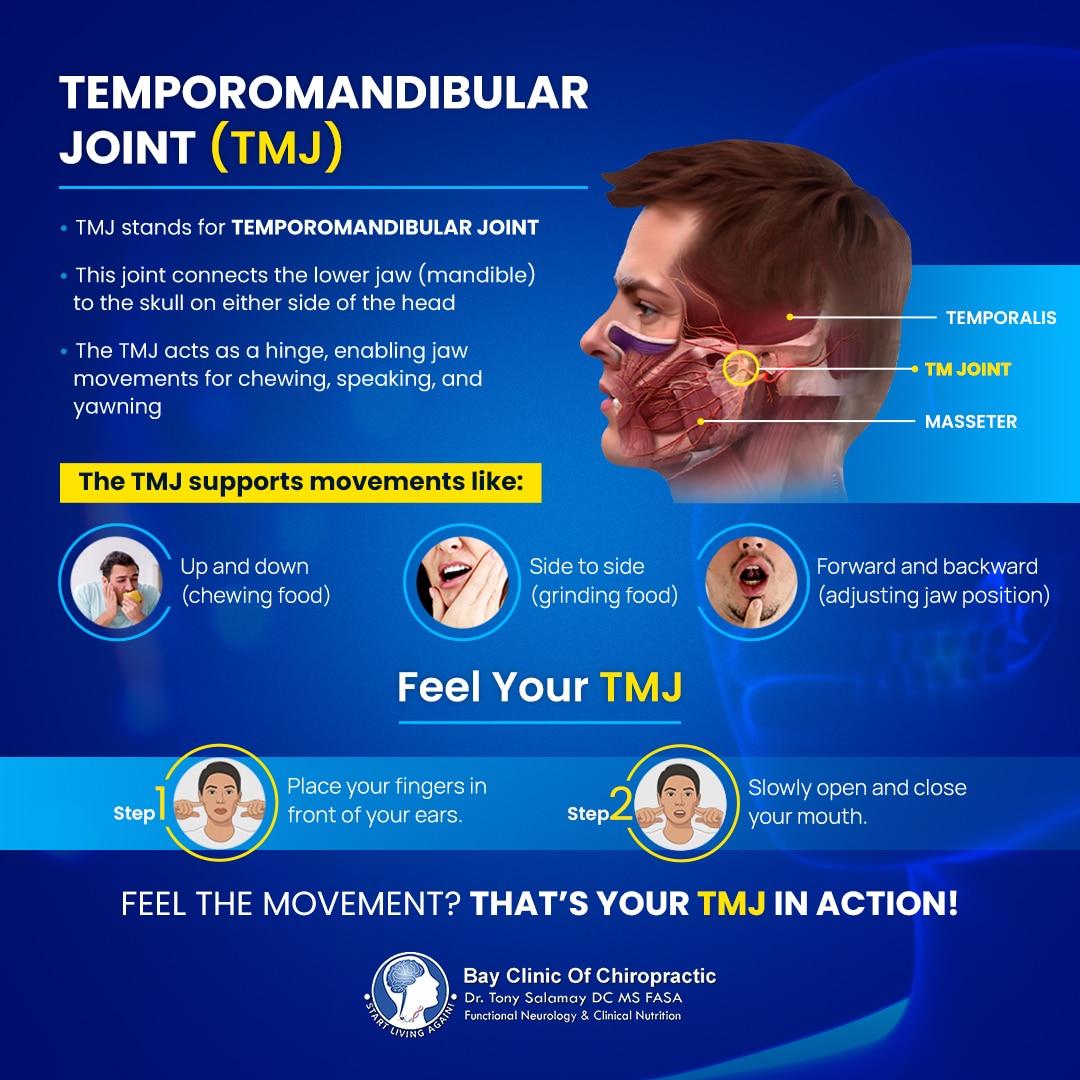
You can actually feel the TMJ joint yourself. Here’s how. Place your fingers in front of your ears, and then open and close your mouth. Yeah, that’s it!
What Are TMJ Disorders?
Temporomandibular disorders (TMDs) are, as the name implies, disorders with the TMJ. TMDs are a group of over 30 conditions that cause pain and dysfunction in the TMJ and its controlling muscles. Other names for the condition include TMJ disorder (TMJD), TMJ dysfunction, and even TMJ.
While TMJ itself is the joint, the acronym is frequently used as a blanket term for all the disorders of the joint. In other words, when you hear the term TMJ in a clinical setting, it can very well be referring to the disorder and not the joint itself. For the sake of clarity, we will refer to the disorder in this article as TMD or TMJ disorder (TMJD).
The three main classes of TMJ disorders are listed below.
- Disorders of the joint – including joint pain, disc disorders, and bone destruction
- Jaw pain – including pain localized to one area (myalgia) and pain that may spread (myofascial pain)
- Headaches associated with a TMJ disorder
Looking for a natural solution? Find lasting relief from jaw pain and TMJ discomfort with care from a trusted chiropractor in Panama City FL and take the first step toward better jaw function and daily comfort.
What Are the Causes of TMJ Disorder?
Science has yet to uncover much about TMJD, including its exact cause. Symptoms often start without a clear reason. However, some potential causes of TMJD have been identified over the years. We list five of them below.
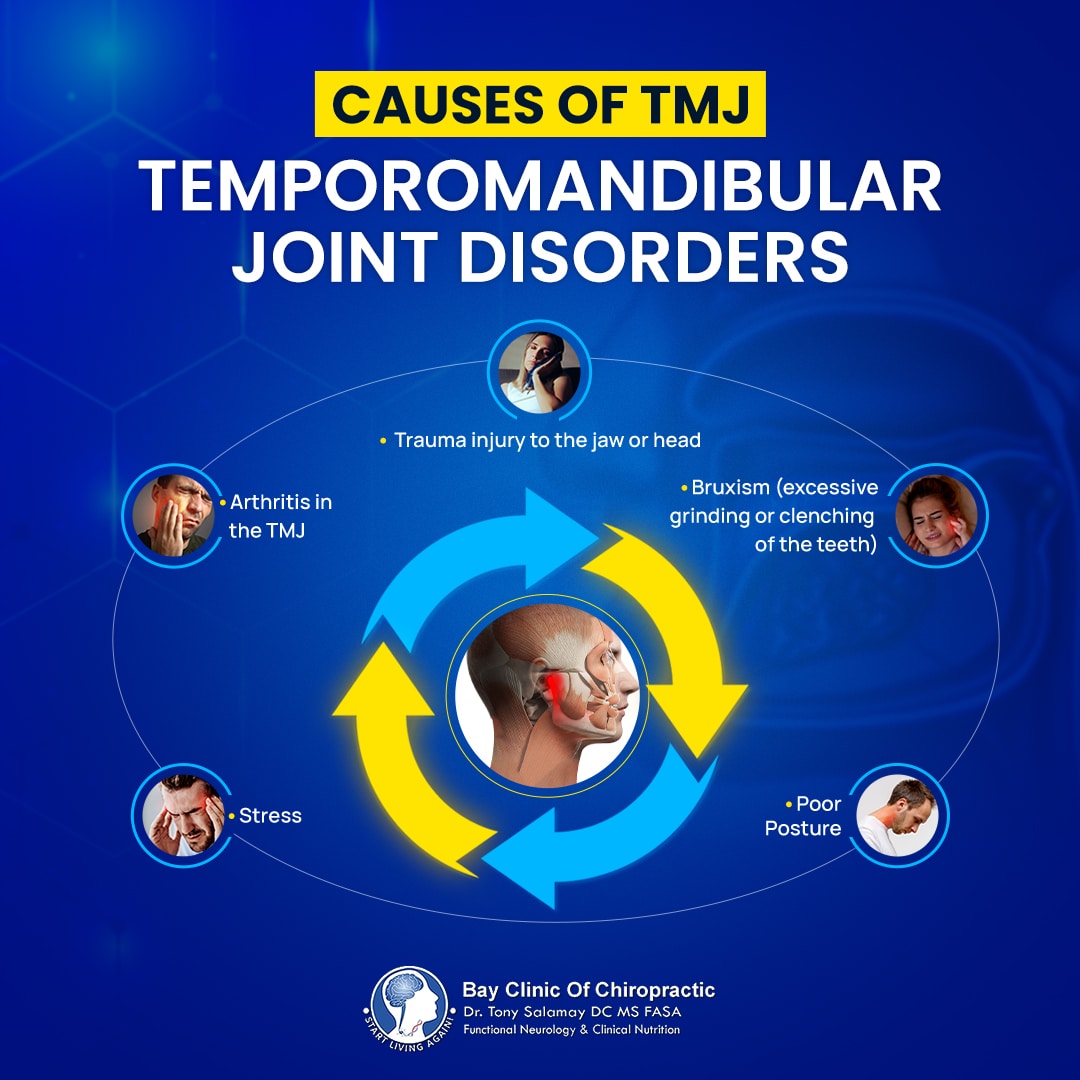
- Arthritis in the TMJ
- Trauma injury to the jaw or head
- Bruxism (excessive grinding or clenching of the teeth)
- Stress
- Poor posture
Who Is More Likely to Have TMJ Disorder?
According to studies, the prevalence of TMJ disorder is between 5 and 12%, with estimates suggesting that it affects around 10 million Americans. Unlike most conditions that cause chronic pain, TMJD is more frequently seen in younger people, especially between 20 and 40.
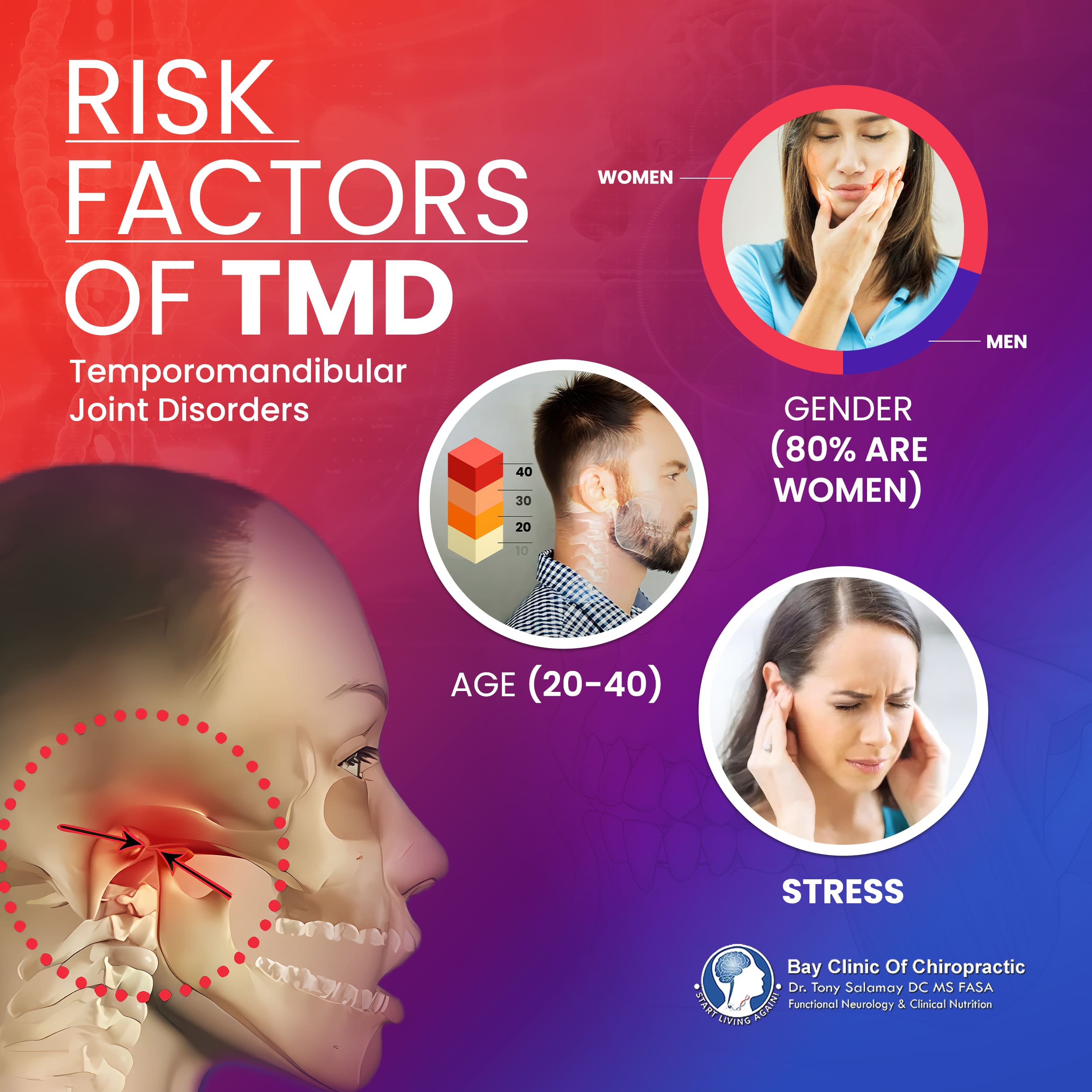
There is also a significant gender difference in the condition, as women are also about two times more likely to have TMJ disorders compared to men. In fact, studies show that 80% of patients treated for TMJ disorders are women. While science does not have all the facts, it is widely believed that this is because of women’s increased sensitivity to stress and the additional strain estrogen places on the brain.
According to the National Institute of Dental and Craniofacial Research, how an individual responds to psychological and life stressors is linked to the development of TMJD. Studies also link stress and pain to the development of the condition.
What Are the Symptoms of TMJ Disorders?
The most common symptom associated with TMJD is pain in the jaw muscles when swallowing, chewing, and speaking. This pain increases with increased pressure on these muscles. Aside from jaw muscle pain, there are other symptoms associated with TMJD. They include:
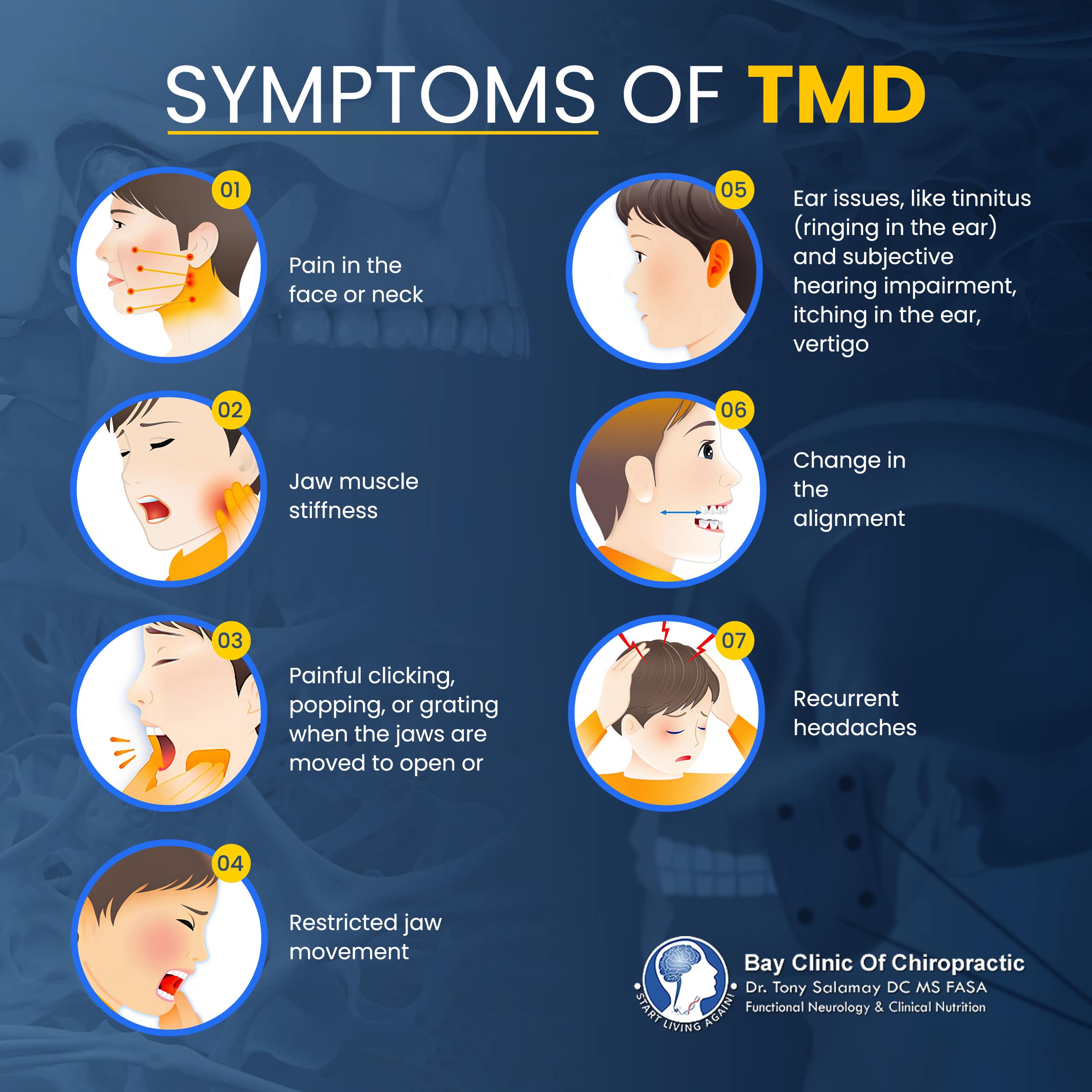
- Pain in the face or neck
- Jaw muscle stiffness
- Painful clicking, popping, or grating when the jaws are moved to open or close the mouth
- Restricted jaw movement
- Ear issues, like tinnitus (ringing in the ear) and subjective hearing impairment, itching in the ear, vertigo
- Change in the alignment of the upper and lower teeth
- Recurrent headaches
Note that clicking or popping sounds in the jaw without pain do not indicate TMJ disorders and are considered normal.
Diagnosis of TMD
Diagnosing TMD is not the easiest exercise because various other disorders can present the common symptoms of TMD. For instance, sinusitis can cause facial pain, dental abscesses can cause orofacial pain, migraines can cause recurrent headaches, and ear infections can cause ear pain.
Therefore, you need an experienced health practitioner to arrive at an accurate diagnosis of your condition. The diagnosis process typically starts with a physical examination of your signs and symptoms and an assessment of your medical history. Your examiner may ask you to display the range of motion of your jaw, identify the areas of pain or discomfort, and other areas where you feel pain.
Considering the variable factors involved in the causation of the condition, you may need a functional health expert, like a TMJ chiropractor, to arrive at a correct diagnosis of the disorder’s cause. Here, other body parts, like your neck, back, and spine, may be examined.
Health practitioners may also order certain tests, including dental x-rays, CT scans, and MRI scans. As there is no one widely accepted standard test for TMJ disorders, chiropractors and conventional health practitioners typically combine imaging tests with physical examination to properly diagnose the condition.
Natural Treatments of TMJ Disorder
TMD does not have to be a serious condition, and with the right treatment options, you can start feeling better in days. Because there are various potential causes of the condition, there are different treatment options that aim to achieve treatment in different ways. They are outlined below.
Chiropractic Care for TMJ Disorder
Chiropractic is a form of functional medicine that evaluates and manages neuromusculoskeletal disorders (conditions that affect the skeletal muscles and the nerves connecting the brain and spinal cord and the rest of the body). There are many potential causes of TMJ disorders. While it may be as simple as an injury to the jaw, studies frequently show a relationship between TMJ pain and stress, which indicates that there is a functional medicine component in managing the condition. Chiropractors are the most experienced in the medical world for functional diagnosis of a condition.
How Do Chiropractors Help With TMJ Disorders?
Chiropractors help treat TMJ disorders by first diagnosing the condition, identifying potential root causes, and devising a personalized treatment plan that usually involves different chiropractic techniques. This healthcare model ensures that the whole body is treated and that the treatment is long-term.
One of the hallmarks of chiropractic care is first identifying the root cause of a problem before initiating therapy. This is the same for TMJ disorders. Chiropractors will try to determine where the problem is from, whether the muscles around the jaw or spinal and cervical problems.
After this initial stage, the next stage is actually drafting a treatment plan for the patient. Again, unlike many aspects of conventional medicine, chiropractic care recognizes the differences in each patient and treats them uniquely. Once this is settled, your chiropractor chooses the right techniques that realign or adjust the jaw or spine, allowing the body to do the rest in terms of treatment.
Chiropractic Techniques for TMJ Disorders
Here are some of the proven chiropractic techniques that help in the management of TMJ disorders:

- Manual Mandibular Therapy: Manual mandibular therapy encompasses different hands-on techniques that aim to restore normal movement and relieve stiffness in the jaw. Chiropractors use their hands to adjust, manipulate, and mobilize the jaw, applying the right amount of gentle force that the condition calls for. Several studies regard manual mandibular therapy as the most effective treatment for relieving pain associated with TMJ disorders. Also, manual mandibular therapy is useful in the medium and long term for the management of TMJD and the prevention of disability.
- Cervical Spine Manipulation: Cervical spine manipulation is a form of spinal manipulative therapy that includes procedures to mobilize, adjust, manipulate, massage, stimulate, or apply traction to the spine. In the context of TMJ disorders, cervical spine manipulation has been found to be effective in managing pain and reducing TMJ symptoms compared to conventional alternatives. This treatment works because malpositioning or alignment of the spine can increase the strain on the TMJ, worsening TJMD and its accompanying symptoms.
- Soft Tissue Mobilization: Soft tissue mobilization targets the soft tissues and muscle components in TMJ disorders. Basically, a soft tissue mobilization technique called scraping therapy (using a small tool to scrape over soft tissue gently) can help reduce tightness in the jaw muscles. This reduces pain and increases the range of motion of the TMJ.
How to Find a Chiropractor for TMJ Disorders?
If you live in Panama City or its surrounding area, you can find excellent chiropractic care for your TMJ disorders at Bay Clinic of Chiropractic. We are not your typical healthcare clinic, as we focus on integrating the physical aspect of chiropractic with immunology, endocrinology, and functional neurology.
Chiropractors often combine various techniques and processes for holistic and effective management of TMJ disorders. This multiple-treatment-modality approach ensures that the patient benefits in several different ways and ultimately feels better in the short and long term. However, because these processes are so specialized, it is essential to get care from chiropractors with sufficient experience and credentials in managing these conditions. This is where we come into play.
In simple terms, Dr. Tony Salameh and other experienced professionals at the clinic combine different options to help you find the best remedy to your problem. Reach out today at (850) 785-9372 or info@thebaydoctor.com.
Medications
Medications that can reduce pain and inflammation are often the go-to options in the management of TMJ disorders. While these medications do not treat the condition itself, they offer short-term relief from the most common TMJD symptoms. Examples include acetaminophen (Tylenol), ibuprofen (Advil), and other non-steroidal anti-inflammatory drugs (NSAIDs).
Stronger medications may be needed for more severe pain, following the WHO analgesic ladder for pain management. Also, research indicates that benzodiazepines and tricyclic antidepressants may have some use in the management of TMJD by relaxing the body and improving symptoms of other pain disorders.
Home Therapy
Conservative treatment is always the first-line option when treating TMJ disorders. This assertion is also well supported by different clinical studies, with the belief being that it can reduce symptoms in up to 90% of all patients. In simple terms, conservative treatments do not invade the tissues of TMJ. So, surgical procedures do not fall under this blanket. Treatment options like chiropractic care are considered conservative.

However, beyond chiropractic care, home treatment is an excellent form of conservative treatment. This involves adopting a soft diet, resting the jaw, passive stretching, applying ice and heat to the area, and other relaxing techniques, like meditation, breathing exercises, and yoga.
Invasive Procedures
An invasive procedure is one where there’s intentional and purposeful access to the body, usually by puncturing or cutting the skin or inserting medical instruments into the body. Although conservative, non-invasive treatment options are preferred when managing TMJD, invasive procedures are also treatment options for TMJ disorders.
Now, because of the nature of the disorder, it is rare that a patient will ever require invasive procedures to treat their condition. But, if all conservative treatments fail and the condition is threatening to progress to chronic, invasive procedures may be the next course of action. Again, it rarely reaches this stage. Some of the invasive procedures for TMJD are surgical replacement of the jaw with implants, botox injections, intra-articular steroids, and hyaluronic acid therapy.
Frequently Asked Questions
Can TMJ Disorder Symptoms Go Away on Its Own?
The symptoms of TMJ disorder may go away on its own if the disorder presents in its mild form. This may take anywhere from a few days to a few weeks. However, this is not always the case, and most people need some form of treatment to hasten their recovery and reduce their symptoms.
Do You Need Surgery for TMJ Disorders?
You do not need surgery for most cases of TMJ disorders, as the condition is very treatable with the right treatment plan, especially one that revolves around conservative treatments like chiropractic care. However, if conservative treatments do not work as planned, and health practitioners have exhausted available options, surgery and other invasive procedures, botox injections, intra-articular steroids, and hyaluronic acid therapy may come next.
Can You Prevent TMJ Disorder?
It may not be possible to entirely prevent TMJ disorders, but you can reduce its risk by maintaining low stress levels around the face and jaw. Practices that can help maintain low stress levels in the face include keeping the teeth apart, keeping the lips together, and massaging the jaw, cheeks, and temples.
What Is the Home Treatment for TMJ Disorders?
Home treatment for TMJ disorders includes a soft diet, resting the jaw, gentle stretching exercises, and alternating ice and heat to reduce pain and inflammation. Relaxation techniques like meditation and yoga can help relieve stress, which can worsen TMJ disorders.
Conclusion
TMJ disorder is a common condition that affects the temporomandibular joint (TMJ), causes significant discomfort, and affects daily life. While various treatment options are available, chiropractic care has shown promising results in managing TMJ symptoms by alleviating pain, improving jaw function, and promoting overall well-being. It is essential to consult a healthcare provider to determine the most suitable treatment plan for individual needs. Contact the Bay Clinic of Chiropractic at (850) 785-9372 or email info@thebaydoctor.com for personalized care.
References
- TMD (Temporomandibular Disorders) [Internet]. Available from: https://www.nidcr.nih.gov/health-info/tmd
- Wilkie G, Al-Ani Z. Temporomandibular joint anatomy, function and clinical relevance. BDJ [Internet]. 2022 Oct 14;233(7):539–46. Available from: https://www.nature.com/articles/s41415-022-5082-0
- Bruxism [Internet]. National Institute of Dental & Craniofacial Research. Available from: https://www.nidcr.nih.gov/health-info/bruxism
- Bagis B, Ayaz EA, Turgut S, Durkan R, Özcan M. Gender difference in prevalence of signs and symptoms of temporomandibular joint disorders: a retrospective study on 243 consecutive patients. International Journal of Medical Sciences [Internet]. 2012 Jan 1;9(7):539–44. Available from: https://pmc.ncbi.nlm.nih.gov/articles/PMC3444974/
- Warren MP, Fried JL. Temporomandibular disorders and hormones in women. Cells Tissues Organs [Internet]. 2001 Jan 1;169(3):187–92. Available from: https://karger.com/cto/article-abstract/169/3/187/90711/Temporomandibular-Disorders-and-Hormones-in-Women?redirectedFrom=fulltext
- Berger M, Szalewski L, Bakalczuk M, Bakalczuk G, Bakalczuk S, Szkutnik J. Association between estrogen levels and temporomandibular disorders: a systematic literature review. Menopausal Review [Internet]. 2015 Jan 1;4:260–70. Available from: https://pmc.ncbi.nlm.nih.gov/articles/PMC4733902/
- Maini K, Dua A. Temporomandibular syndrome [Internet]. StatPearls – NCBI Bookshelf. 2023. Available from: https://www.ncbi.nlm.nih.gov/books/NBK551612/
- Temporomandibular dysfunction [Internet]. Australian Journal of General Practice. Available from: https://www1.racgp.org.au/ajgp/2018/april/temporomandibular-dysfunction/
- DeConde AS, Mace JC, Ashby S, Smith TL, Orlandi RR, Alt JA. Characterization of facial pain associated with chronic rhinosinusitis using validated pain evaluation instruments. International Forum of Allergy & Rhinology [Internet]. 2015 Jun 13;5(8):682–90. Available from: https://pmc.ncbi.nlm.nih.gov/articles/PMC4526441/
- Mustafa NS, Kashmoola MA, Al-Ahmad BEM, Fansuri MABH, Jurimi NHM, Kashmoola S. A retrospective study on the etiological factors of orofacial pain in a Malaysian sample. European Journal of Dentistry [Internet]. 2021 Nov 9;16(02):302–6. Available from: https://pmc.ncbi.nlm.nih.gov/articles/PMC9339946/
- Coulter J, Hohman MH, Kwon E. Otalgia [Internet]. StatPearls – NCBI Bookshelf. 2024. Available from: https://www.ncbi.nlm.nih.gov/books/NBK549830/
- Lin AFC, Cunliffe C, Chu VK, Chan V, Leung AC, Lau RP, et al. Prevention-Focused Care: The potential role of chiropractors in Hong Kong’s primary healthcare transformation. Cureus [Internet]. 2023 Mar 31; Available from: https://pmc.ncbi.nlm.nih.gov/articles/PMC10064816/
- Shaffer SM, Brismée JM, Sizer PS, Courtney CA. Temporomandibular disorders. Part 2: conservative management. Journal of Manual & Manipulative Therapy [Internet]. 2014 Feb 1;22(1):13–23. Available from: https://pmc.ncbi.nlm.nih.gov/articles/PMC4062348/
- Herrera-Valencia A, Ruiz-Muñoz M, Martin-Martin J, Cuesta-Vargas A, González-Sánchez M. Efficacy of Manual therapy in Temporomandibular Joint Disorders and its Medium-and Long-Term Effects on Pain and Maximum Mouth Opening: A Systematic Review and Meta-Analysis. Journal of Clinical Medicine [Internet]. 2020 Oct 23;9(11):3404. Available from: https://pmc.ncbi.nlm.nih.gov/articles/PMC7690916/
- Bernetti A, La Russa R, De Sire A, Agostini F, De Simone S, Farì G, et al. Cervical Spine Manipulations: Role of Diagnostic Procedures, Effectiveness, and Safety from a Rehabilitation and Forensic Medicine Perspective: A Systematic Review. Diagnostics [Internet]. 2022 Apr 23;12(5):1056. Available from: https://pmc.ncbi.nlm.nih.gov/articles/PMC9139983/
- Dunning J, Butts R, Bliton P, Vathrakokoilis K, Smith G, Lineberger C, et al. Dry needling and upper cervical spinal manipulation in patients with temporomandibular disorder: A multi-center randomized clinical trial. CRANIO® [Internet]. 2022 Apr 12;42(6):809–22. Available from: https://www.tandfonline.com/doi/10.1080/08869634.2022.2062137?url_ver=Z39.88-2003&rfr_id=ori:rid:crossref.org&rfr_dat=cr_pub%20%200pubmed
- Chu ECP, Lee WT, Chau C, Wong E, Cheng HY. Temporomandibular disorder treated with chiropractic therapy. Cureus [Internet]. 2023 Mar 19; Available from: https://pmc.ncbi.nlm.nih.gov/articles/PMC10025577/#REF17
- The Bay Clinic of Chiropractic. Panama City Chiropractor – Bay Clinic of Chiropractic [Internet]. Panama City Chiropractor – Bay Clinic of Chiropractic. 2024. Available from: https://thebaydoctor.com/
- Yang J, Bauer BA, Wahner-Roedler DL, Chon TY, Xiao L. <p>The Modified WHO Analgesic Ladder: Is It Appropriate for Chronic Non-Cancer Pain?</p> Journal of Pain Research [Internet]. 2020 Feb 1;Volume 13:411–7. Available from: https://pmc.ncbi.nlm.nih.gov/articles/PMC7038776/
- Gauer RL, Semidey MJ. Diagnosis and treatment of temporomandibular disorders [Internet]. AAFP. 2015. Available from: https://www.aafp.org/pubs/afp/issues/2015/0315/p378.html