Have you been trapped in a cloud of sadness, struggling to find joy in activities you once loved?
Depression isn’t just a feeling, it’s a serious mental health disorder that affects millions of people. This mental health condition manifests as persistent feelings of sadness, loss of interest, and various physical symptoms that significantly impact daily life and emotional well-being.
In a study analyzing the trends of depression prevalence in the U.S., Dr. Renee Goodwin from the University of New York, USA, states that “Depression is the strongest risk factor for suicide behavior, and these patterns demand immediate action, especially for adolescents and young adults.”
The research supports the severity, seriousness, and importance of psychological health.
Functional medicine offers alternative, medication-free treatments for mental health conditions such as depression. By addressing the root causes and implementing holistic treatment of depression, such as dietary changes, exercise, herbal remedies, and chiropractic care, we can contribute to the effective management of depression.
At the Bay Clinic of Chiropractic based in Panama City, Florida you can get guidance from an experienced and compassionate team dedicated to bringing light to your dark world!
What Is Depression?
Depression is a mental health disorder characterized by persistent sadness, changes in mood, and loss of interest in activities.
It is a common and serious mental health condition that affects how a person feels, thinks, and handles daily activities. Depression can vary in severity and can occur as a single episode or recurrent episode throughout a person’s life.
In a study on depression, Dr. Suma P. Chand from the Thomas Jefferson University Hospital, Philadelphia, PA states that “Major depression has very high morbidity and mortality contributing to high rates of suicide.”
This statement emphasizes the importance of seeking help and support when dealing with depression. Depression doesn’t discriminate, it can affect anyone regardless of age, gender, or background.
Types of Depression
There are many types of depression, but here are the two most common classifications:
- Major Depression (Clinical Depression): A type of depression characterized by intense symptoms, including persistent feelings of sadness, or a significant loss of interest in activities for at least two weeks. The symptoms of major depression often interfere with daily activities. In a study on major depressive disorder, Dr. Wolfgang Marx from Deakin University, Victoria, Australia states that “People with MDD can have reduced quality of life owing to the disorder itself.”
- Persistent Depressive Disorder (Dysthymia): This type of depression consists of symptoms that are less severe but more chronic and can last for at least two years. Although symptoms of persistent depressive disorder are less intense than those of major depression, they can still interfere with daily life and contribute to a long-term sense of hopelessness and low self-esteem.
Other types of depression are postpartum depression, prenatal depression, seasonal depression, and others. Depressive episodes can happen as a part of different mental health conditions such as bipolar disorder and other mood disorders.
What Are The Symptoms of Depression?
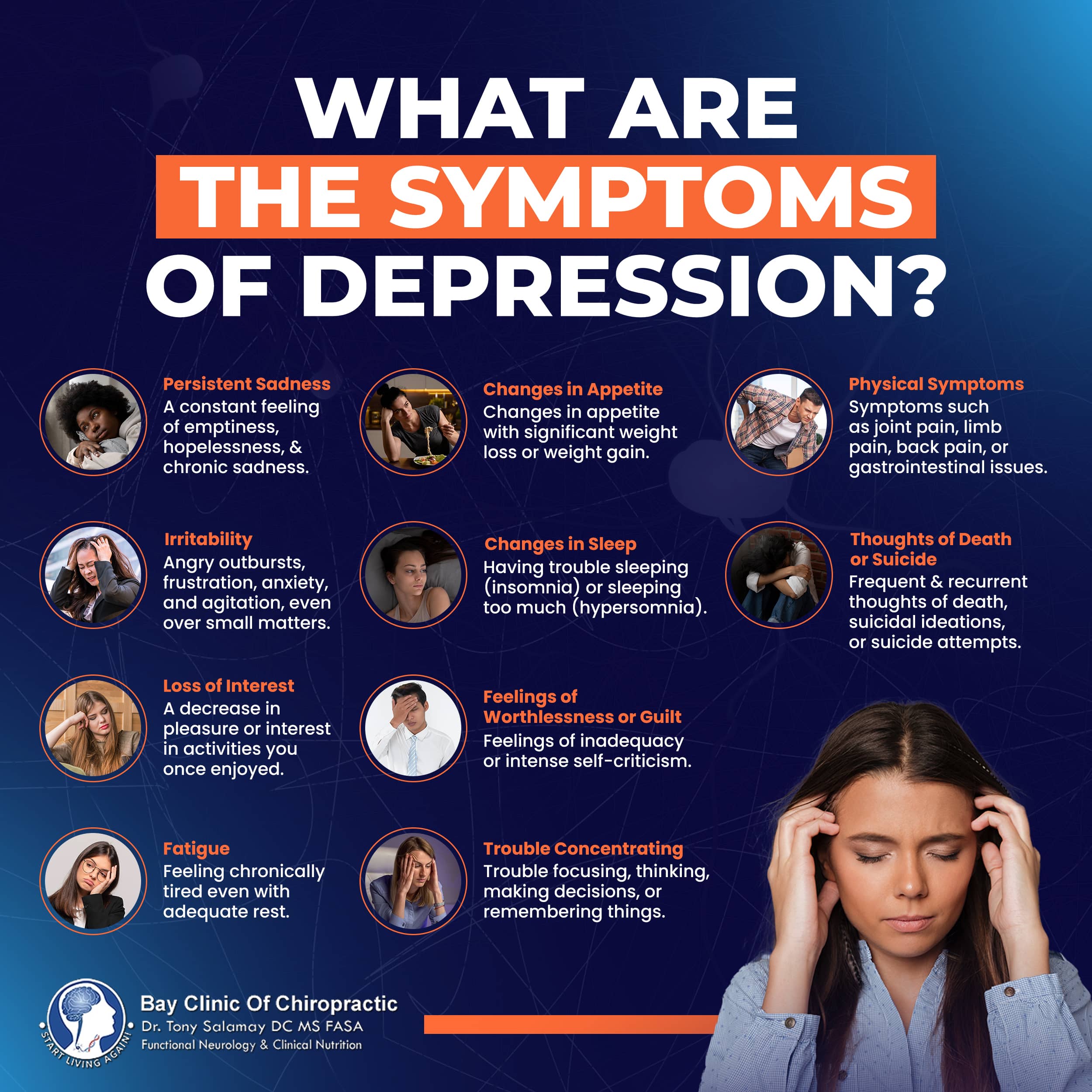
The symptoms of depression have a variety of emotional and physical presentations, such as persistent sadness, loss of interest in activities, and fatigue.
In a 2018 study on depression, Dr. Gin S. Malhi from the University of Sydney, Australia, states that it “severely limits psychosocial functioning and diminishes the quality of life.”, which means that depression is a life-altering condition.
Recognizing these symptoms or underlying causes in your own life? You don’t have to navigate this alone. Taking the first step toward understanding and support can make all the difference, connect with a functional medicine doctor in Panama City, FL and start your path toward feeling like yourself again.
Although these are the most commonly known symptoms of depression, there are other signs of depression you should know about. Here’s a list of depression symptoms:
- Persistent Sadness: A constant feeling of emptiness, hopelessness, and chronic sadness.
- Irritability: Angry outbursts, frustration, anxiety, and agitation, even over small matters.
- Loss of Interest: A decrease in pleasure or interest in activities you once enjoyed.
- Fatigue: Feeling chronically tired even with adequate rest.
- Changes in Appetite: Changes in appetite with significant weight loss or weight gain.
- Changes in Sleep: Having trouble sleeping (insomnia) or sleeping too much (hypersomnia).
- Feelings of Worthlessness or Guilt: Feelings of inadequacy or intense self-criticism.
- Trouble Concentrating: Trouble focusing, thinking, making decisions, or remembering things.
- Physical Symptoms: In a study on the link between physical symptoms and depression, Dr. Madhukar Trivedi from the University of Texas, USA states that “Vague aches and pain are often the presenting symptoms of depression”. Symptoms may include joint, limb, back pain, or gastrointestinal issues.
- Thoughts of Death or Suicide: Frequent and recurrent thoughts of death, suicidal ideations, or suicide attempts.
Symptoms of depression are typically severe enough that they often cause significant changes in your daily activities, such as work, school, or social activities and interactions. If you or someone you know is experiencing these symptoms, it’s important to seek help from a mental health professional.
Children, teens, and older adults may show depression symptoms differently.
Signs of Depression in Young Children
In young children, depression can manifest as irritability, clinginess, sadness, excessive worry, physical complaints, refusal to go to school, and eating disorders.
Signs of Depression in Teenagers
Teenagers may experience depression as feelings of worthlessness, irritability, coma, sadness, and anger. They are also more prone to engage in destructive behaviors such as using alcohol or drugs, and self-harm. Changes in sleeping and eating habits are also common for teens with depression.
In a study on depression in adolescents, Dr. Daphne Korczak from the University of British Columbia, Vancouver, CA “depression before adulthood is associated with greater illness severity in adults.”, meaning that depression in teens and young adults should never be taken lightly.
What Causes Depression?
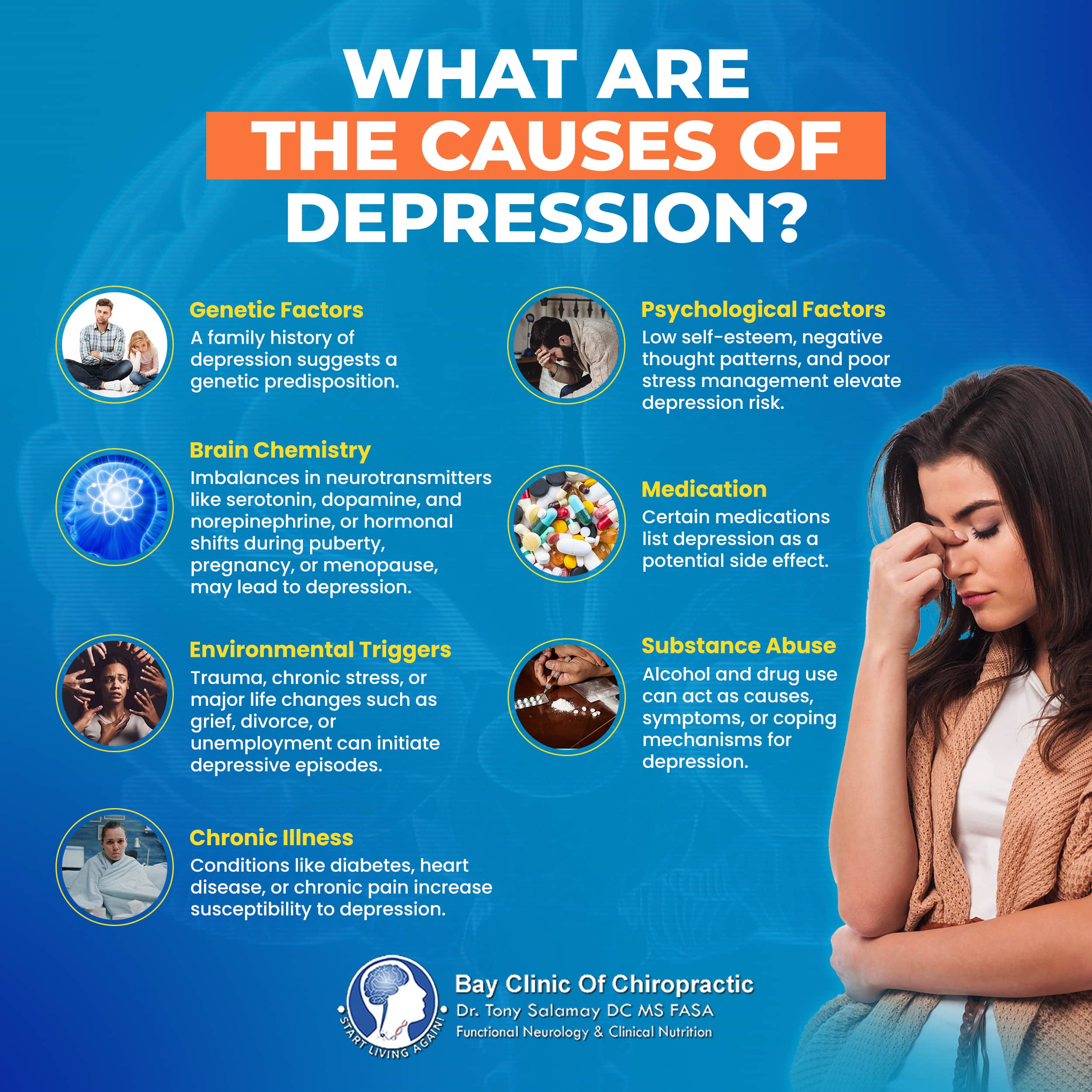
The causes of depression are complex, as it is a mental health condition that often results from a combination of genetic, biological, environmental, and psychological factors. Understanding the causes of depression is essential for effective treatment and support for those who are affected.
In the section below we will discuss the possible causes of depression.
- Genetic Factors: In an article on Major Depression and Genetics, Dr. Douglas E. Levison and Prof. Dr. Walter E. Nichol from Stanford University School of Medicine wrote that “ If someone has a parent or sibling with major depression, that person probably has a 2 or 3 times greater risk of developing depression compared with the average person”. This means that a family history of depression increases the risk, suggesting a genetic factor to this disease.
- Brain Chemistry: Imbalances in neurotransmitters such as dopamine, serotonin, and norepinephrine can trigger depression. Hormonal changes during significant life phases such as puberty, pregnancy, or menopause can also alter brain chemistry and contribute to depression.
- Environmental Factors: Traumatic experiences, chronic stress, or major life changes such as the loss of a loved one, divorce, or job loss can trigger depressive episodes.
- Chronic Illness: Conditions such as diabetes, heart disease, chronic pain, and other chronic conditions can increase vulnerability to depression.
- Psychological Factors: Cognitive patterns such as low self-esteem, negative thinking, or an inability to cope with stress can increase the risk for depression.
- Medication: Some medications have a side effect of depression.
- Substance and Alcohol Abuse: In a study on mood disorders and substance abuse Dr. Susal Quello from the Medical University of South Carolina, USA, states that “Mood disorders, including depression and bipolar disorders, are the most common psychiatric comorbidities among patients with substance use disorders.” Substance and alcohol abuse can be a cause, coping mechanism, or symptom of depression.
How Is Depression Diagnosed?
Depression is diagnosed by a doctor or a mental health professional through several steps. The healthcare professional can talk with the individual about their feelings, thoughts, and behaviors. They will ask questions about the timeline of their symptoms and how they affect their daily life.
Healthcare practitioners and doctors use guidelines from the DSM-5, which lists specific symptoms such as sadness, loss of interest, or changes in sleep and appetite. They may ask you to complete questionnaires to rate the severity of your symptoms.
The healthcare practitioner will perform a physical exam to rule out other health issues. The most important thing is for the person to share their experiences honestly to receive the support they need.
Alternative Treatments for Depression
Conventional medicine treats depression with medication that can have numerous side effects such as nausea, headaches, weight gain, dizziness, and others. Luckily, alternative treatments for depression offer an approach that extends beyond traditional medication therapy, while having fewer side effects.
Dietary Changes
A healthy and balanced diet can play a significant role in managing depression. Certain foods can support brain health and mood, while others may contribute to feelings of sadness or anxiety.
In a literature review study on nutrients and mental health, Dr. Maurizio Muscaritoli from Sapienza University of Rome, Italy states “Diet and nutrition have significant effects on mood and mental well-being.”
By focusing on nutrient-rich foods and avoiding harmful options, people with depression can improve their mental well-being.
At the Bay Clinic of Chiropractic in Panama City, Florida, we have a dedicated team who can support you through your battle with depression.
Dr. Tony Salamay is a nutrition expert with a master’s in Functional and Clinical Nutrition. He understands how diet and lifestyle choices impact your overall health and well-being. Therefore, he focuses on personalized nutrition and emphasizes the importance of whole, nutrient-rich foods.
To get nutrition guidance from a doctor who offers a holistic approach to physical and mental health, schedule a consultation at (850) 785-9372 or info@thebaydoctor.com.
Here are our recommendations for what foods to eat and what foods to avoid if you are dealing with depression:
Foods to Eat for Depression
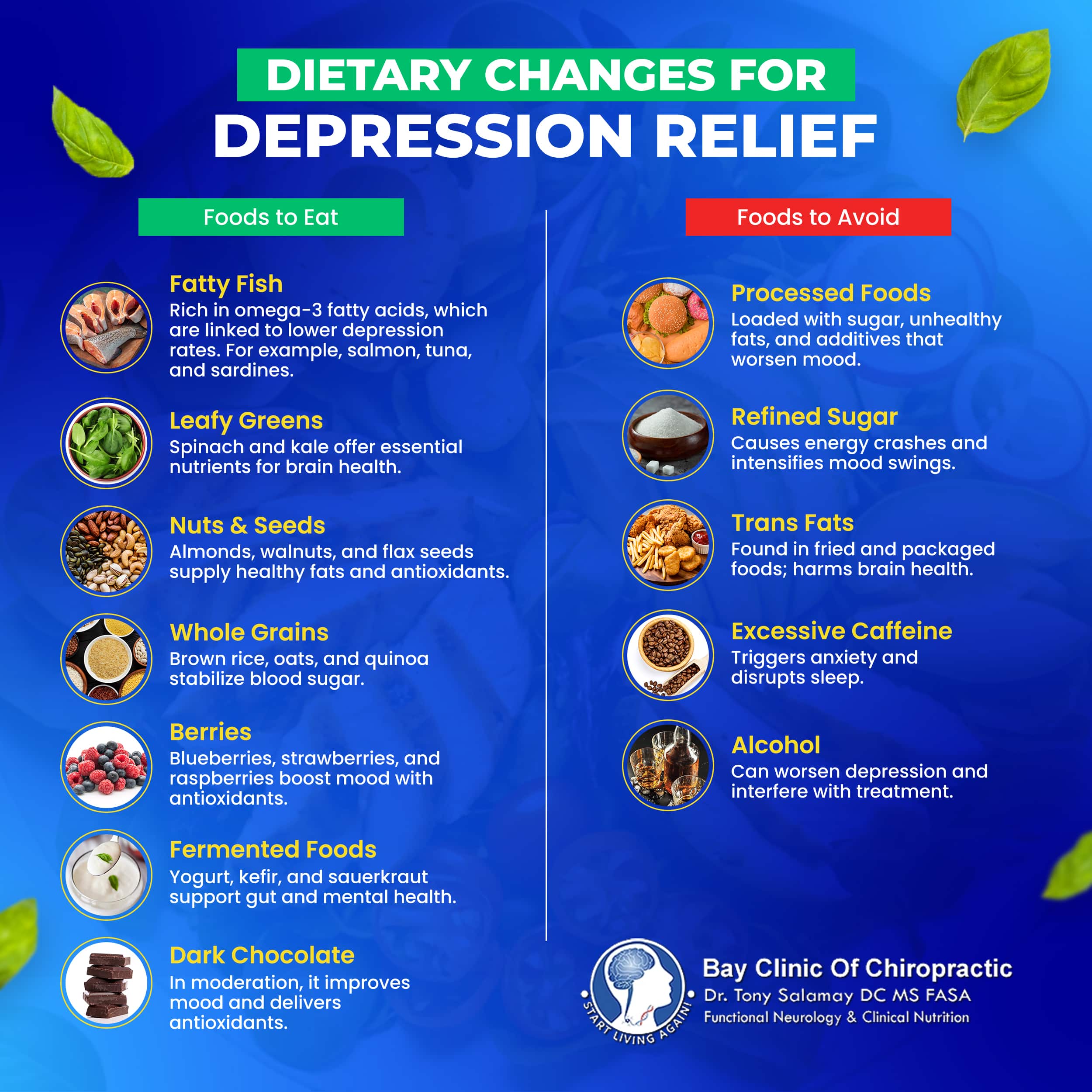
- Fatty Fish: Rich in omega-3 fatty acids, which are linked to lower depression rates. For example, salmon, tuna, and sardines.
- Leafy Greens: Vegetables like spinach and kale provide essential vitamins and minerals.
- Nuts and Seeds: Almonds, walnuts, and flax seeds offer healthy fats and antioxidants.
- Whole Grains: Foods like brown rice, oats, and quinoa can help stabilize blood sugar levels.
- Berries: Strawberries, blueberries, and raspberries are high in antioxidants and may boost mood.
- Fermented Foods: Yogurt, kefir, and sauerkraut support gut health, which is linked to mental health.
- Dark Chocolate: In moderation, it can improve mood and it is rich in antioxidants.
Foods to Avoid for Depression
- Processed Food: High in sugar and unhealthy fats that can lead to mood swings and fatigue. They are filled with artificial additives, preservatives, and colors.
- Refined Sugar: Excessive sugar intake can cause energy crashes and worsen mood.
- Trans Fats: Found in some deep-fried and packaged foods and can negatively affect brain health.
- High-caffeine Drinks: Drinking an excessive amount of caffeine can increase anxiety and cause sleep disturbances.
- Alcohol: Some people use alcohol to relax, however, it can have adverse effects on people with a risk of depression, as well as those who already have it. Additionally, it can interfere with treatment.
Physical Activity
Exercise can be a powerful tool for managing depression and improving mental health. Studies show that physical activity releases endorphins, which are natural mood lifters that can help you manage stress and anxiety.
Incorporating regular exercise into your daily life can significantly improve mood and overall well-being.
We understand that even simple physical activity can be hard for people with depression. If you have not been physically active, our advice is to find an enjoyable activity and start slowly. You can start by simply going for a walk, especially in nature, which can enhance mood and reduce stress.
Another suggestion is yoga, tai chi, or pilates, which incorporate physical postures, breathing exercises, and meditation. These practices combine physical activity with relaxation and mindfulness, which can help reduce symptoms of anxiety and depression.
When you are physically and mentally ready you can try aerobic exercises like running, cycling, swimming, strength training, or group activities. Physical activities in groups can help improve social support and relationships.
Herbal Remedies
People have used herbal remedies to treat depression for many centuries. Today researchers have studied many herbs for their potential to alleviate symptoms and improve mood.
While herbal remedies for depression can be beneficial, it’s important to consult a healthcare professional before starting any treatment, as some herbs can interact with medications and cause side effects.
Here are the herbs most commonly used to treat depression:
St. John’s Wort
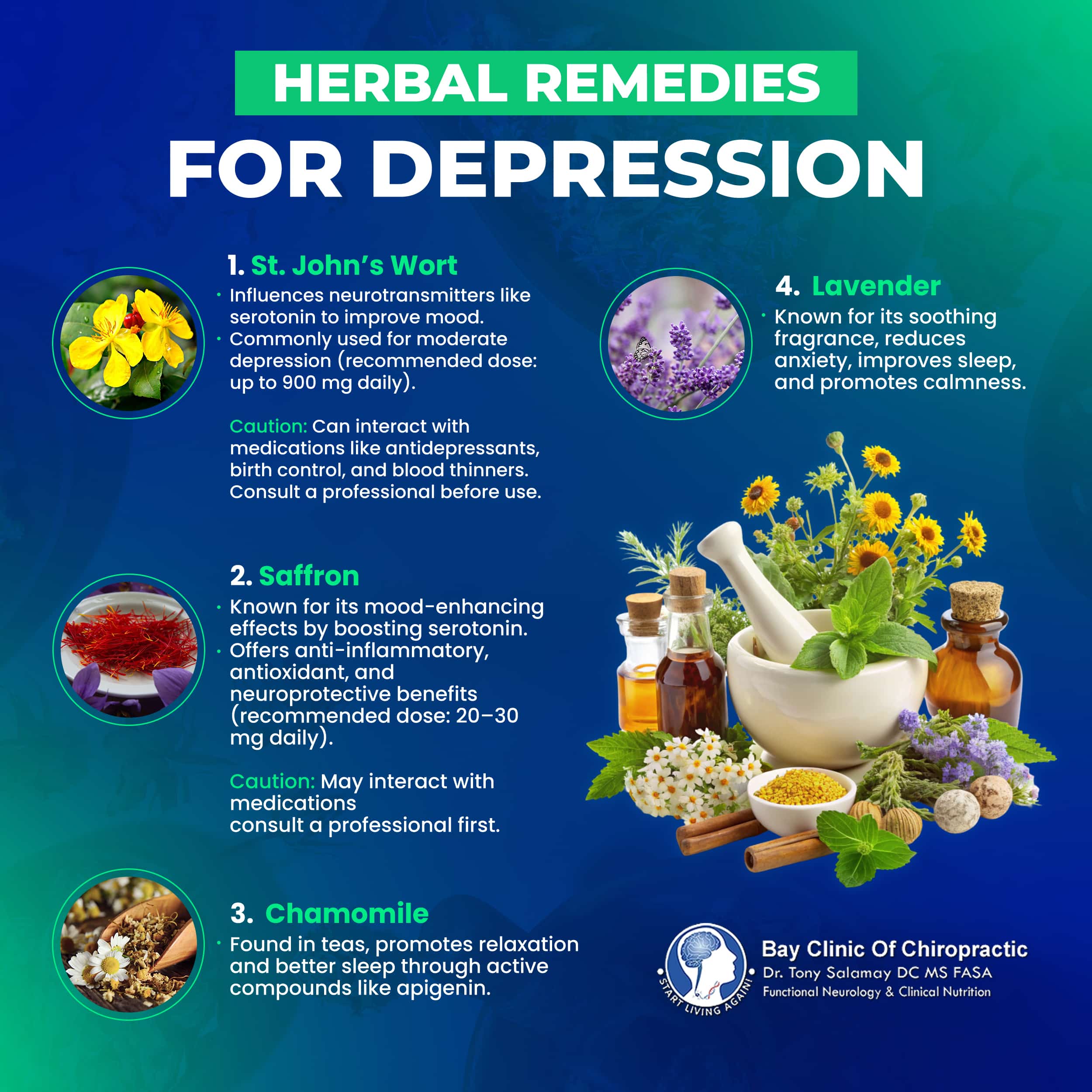
St. John’s Wort, also known as Hypericum perforatum, is one of the most researched herbs for treating depression. Studies show that this herb can help alleviate symptoms of mild to moderate depression by influencing neurotransmitters in the brain such as serotonin.
However, it can interact with many medications such as antidepressants, birth control pills, and blood thinners. It can cause adverse effects or reduce the effectiveness of the medication. It is available in a pill form and for treatment of moderate depression and the recommended dose is up to 900 mg.
Saffron
Saffron is a herb known for its culinary use but has gained attention for its antidepressant properties. Research shows that Saffron has a similar mood-improving effect as antidepressants. Researchers believe this is due to its influence on the neurotransmitter serotonin, as well as its anti-inflammatory antioxidant, neuroendocrine, and neuroprotective properties.
The recommended daily dose is 20 to 30 mg of saffron extract. Just like St. John’s Wort, Saffron can also interact with medication, therefore consult a professional before taking it.
Chamomile
Chamomile is a well-known herb often used in teas for its calming properties. The calming effects of chamomile come from its active compounds, such as apigenin, which promotes sleep quality and relaxation.
Research suggests that chamomile may be beneficial for those experiencing mild to moderate depression, especially when it’s combined with lifestyle changes like physical exercise and management techniques. Chamomile is generally safe and you can use it every night as chamomile tea or supplements.
Lavender
Lavender is a popular herb known for its soothing fragrance and calming effects. It has been used for centuries to promote relaxation, improve sleep, and reduce anxiety.
Researchers suggest it may also help alleviate symptoms of depression by influencing neurotransmitters in the brain. You can use lavender oil for inhalation which can help improve your mood, improve sleep, and reduce anxiety.
Acupuncture
Acupuncture is a traditional Chinese medicine practice that involves inserting thin needles into specific points in your body. Research suggests that acupuncture may help alleviate symptoms of depression by stimulating the release of endorphins and other neurotransmitters, as well as supporting brain health by reducing inflammation.
At the Bay Clinic of Chiropractic, we use Chinese medicine practices such as Chinese herbs and various methods of acupressure therapy to help alleviate symptoms of many conditions, including depression.
It can be a helpful technique for the effective treatment of primary depression, especially in mild cases, as well as post-stroke depression, depression related to physical health conditions, and postpartum depression.
Supplements
Certain supplements can help alleviate symptoms of depression and can offer additional support with other depression treatments.
Here are 4 supplements for depression:
Omega-3 Fatty Acids
Omega-3 fatty acids are found in fatty fish and fish oil. These healthy fats have been linked to improved mood and reproduced depressive symptoms. They are especially beneficial for those with low intake of omega-3s in their diet, as people with depression often have this deficiency.
SAM-e (S-adenosylmethionine)
SAM-e is a naturally occurring compound in the body and is involved in the production of neurotransmitters. Some studies suggest that it can improve depressive episodes, and can be effective as certain antidepressants in some individuals. In trials, the daily dose of SAM-e varied from 200 to 3200 mg.
5-HTP (5-hydroxytryptophan)
5-HTP is a naturally occurring compound that is a precursor to a neurotransmitter called serotonin. Research suggests that supplementing with 5-HTP can help increase serotonin levels in the brain, which can be beneficial for individuals experiencing depression or anxiety. Some people experience side effects such as nausea, vomiting, and stomach ache when taking this supplement. That’s why it is recommended to start at a dose of 50 mg per day and gradually increase.
Vitamin D
Vitamin D is an essential vitamin that plays a role in numerous bodily functions. Low levels of vitamin D are linked to depression. Supplementing with vitamin D3 can help improve mood, and support overall health, particularly in individuals with a deficiency. The recommended daily dose is 600 IU to 800 IU.
Chiropractic Care
Chiropractic care can help reduce the physical effects of stress on the body, promote relaxation, reduce tension, and improve overall mood. Regular visits to an experienced chiropractor can help balance and nourish the connection between the nervous and musculoskeletal systems.
Misalignments in the spine can interfere with nerve function. An experienced chiropractor will know to correct this misalignment and potentially restore optimal communication between the brain and body.
Dr. Tony Salamay from Bay Clinic of Chiropractic in Panama City, Florida has years of experience and expert knowledge. His expertise will help you balance your nervous system which is essential for emotional regulation.
Functional Medicine
Functional medicine is a holistic approach to healthcare that focuses on identifying and addressing the root causes of health issues, including depression. A functional medicine professional will take into consideration the connections of your systems and consider various factors that may contribute to your mental health condition.
Can Functional Medicine Doctors Help with Depression?
Yes, functional medicine doctors are adequately trained and capable of helping patients with depression.
Dr. Tony Salamay is a dedicated functional medicine practitioner who has expertise in treating depression through a holistic, non-medicated approach. With a focus on identifying the underlying causes of mental health issues, he creates personalized treatment plans for every patient.
By implementing various aspects of health, including nutrition, gut health, hormonal balance detoxification, and lifestyle factors, Dr. Salamay aims to promote all-natural ways to physical and mental well-being.
Frequently Asked Questions
How Do I Get Out of Depression Naturally?
To get out of depression naturally, focus on regular exercise, nutritious food, quality sleep, social connection, and stress reduction by practicing mindfulness and meditation. These habits can help boost your mood, increase energy levels, and overcome depression.
What Is the Best Natural Antidepressant?
St. John’s Wort is often considered the best natural antidepressant. Studies show it may help mild to moderate depression, though you should consult with a healthcare practitioner, as it can interact with other medications such as birth control.
Can Depression Go Away?
Yes, depression can go away, especially with lifestyle changes such as dietary adjustments, herbal remedies, supplements, and regular physical activity. Many people experience significant improvements over time, though it may take patience and persistence.
Can Depression Be Treated Without Medication?
Yes, depression can be treated without medication. Lifestyle changes, such as regular exercise, a healthy diet, incorporating herbal remedies, and supplements, as well as social support can help you manage symptoms and manage depression naturally.
Conclusion
Depression is a complex and serious mental health disorder that can affect individuals of all ages, genders, and backgrounds, and can lead to significant emotional and physical challenges.
Recognizing the symptoms which can range from persistent sadness to changes in appetite, and sleep, is crucial for an early diagnosis and intervention. Understanding the causes that play a role in the development of depression, like genetics, biological factors, or environmental factors, can be important in the treatment.
Conventional medicine treats depression with prescription medication that may have significant side effects. However, functional medicine offers alternative treatment options that can have similar benefits and can help you get out of the black hole called depression.
Dietary changes, physical activity, herbal remedies, and holistic practices like chiropractic care and acupuncture, guided by an experienced functional medicine practitioner, such as Dr. Tony Salamay, can play a main role in managing depression.
To get guidance and support from a dedicated and compassionate team in Panama City, Florida, contact the Bay Clinic of Chiropractic at (850) 785-9372 or info@thebaydoctor.com.
References
- Goodwin RD, Dierker LC, Wu M, Galea S, Hoven CW, Weinberger AH. Trends in U.S. depression prevalence from 2015 to 2020: The widening treatment gap. American Journal of Preventive Medicine [Internet]. 2022 Sep 19;63(5):726–33. Available from: https://pmc.ncbi.nlm.nih.gov/articles/PMC9483000/
- Chand SP, Arif H. Depression [Internet]. StatPearls – NCBI Bookshelf. 2023. Available from: https://www.ncbi.nlm.nih.gov/books/NBK430847/
- Marx W, Penninx BWJH, Solmi M, Furukawa TA, Firth J, Carvalho AF, et al. Major depressive disorder. Nature Reviews Disease Primers [Internet]. 2023 Aug 24;9(1):44. Available from: https://www.nature.com/articles/s41572-023-00454-1
- Sekhon S, Gupta V. Mood disorder [Internet]. StatPearls – NCBI Bookshelf. 2023. Available from: https://www.ncbi.nlm.nih.gov/books/NBK558911/
- Malhi GS, Mann JJ. Depression. The Lancet [Internet]. 2018 Nov 1;392(10161):2299–312. Available from: https://www.sciencedirect.com/science/article/abs/pii/S0140673618319482
- Targum SD, Fava M. Fatigue as a residual symptom of depression [Internet]. 2011. Available from: https://pmc.ncbi.nlm.nih.gov/articles/PMC3225130/
- Steiger A, Pawlowski M. Depression and sleep. International Journal of Molecular Sciences [Internet]. 2019 Jan 31;20(3):607. Available from: https://pmc.ncbi.nlm.nih.gov/articles/PMC6386825/
- Trivedi MH. The link between depression and physical symptoms [Internet]. 2004. Available from: https://pmc.ncbi.nlm.nih.gov/articles/PMC486942/
- Iyer V, Azhar Y, Aslam SP. Depression in children [Internet]. StatPearls – NCBI Bookshelf. 2025. Available from: https://www.ncbi.nlm.nih.gov/books/NBK534797/
- Korczak DJ, Westwell-Roper C, Sassi R. Diagnosis and management of depression in adolescents. Canadian Medical Association Journal [Internet]. 2023 May 28;195(21):E739–46. Available from: https://pmc.ncbi.nlm.nih.gov/articles/PMC10228578/
- Major depression and genetics [Internet]. Genetics of Brain Function. Available from: https://med.stanford.edu/depressiongenetics/mddandgenes.html
- Quello S, Brady K, Sonne S. Mood Disorders and Substance use disorder: a complex comorbidity. Science & Practice Perspectives [Internet]. 2005 Dec 1;3(1):13–21. Available from: https://pmc.ncbi.nlm.nih.gov/articles/PMC2851027/
- Muscaritoli M. The Impact of Nutrients On Mental Health and Well-Being: Insights from the Literature. Frontiers in Nutrition [Internet]. 2021 Mar 8;8. Available from: https://pmc.ncbi.nlm.nih.gov/articles/PMC7982519/
- Grosso G, Galvano F, Marventano S, Malaguarnera M, Bucolo C, Drago F, et al. Omega-3 fatty acids and depression: scientific evidence and biological mechanisms. Oxidative Medicine and Cellular Longevity [Internet]. 2014 Jan 1;2014:1–16. Available from: https://pmc.ncbi.nlm.nih.gov/articles/PMC3976923/
- Fisk J, Khalid S, Reynolds SA, Williams CM. Effect of 4 weeks daily wild blueberry supplementation on symptoms of depression in adolescents. British Journal of Nutrition [Internet]. 2020 Mar 10;124(2):181–8. Available from: https://www.cambridge.org/core/journals/british-journal-of-nutrition/article/effect-of-4-weeks-daily-wild-blueberry-supplementation-on-symptoms-of-depression-in-adolescents/E8ED12AC48E936A4A8D6664B93AD6AA6
- Kumar A, Pramanik J, Goyal N, Chauhan D, Sivamaruthi BS, Prajapati BG, et al. Gut microbiota in Anxiety and Depression: Unveiling the relationships and management options. Pharmaceuticals [Internet]. 2023 Apr 9;16(4):565. Available from: https://pmc.ncbi.nlm.nih.gov/articles/PMC10146621/
- Schuckit MA. Alcohol, anxiety, and depressive disorders [Internet]. 1996. Available from: https://pmc.ncbi.nlm.nih.gov/articles/PMC6876499/
- Noetel M, Sanders T, Gallardo-Gómez D, Taylor P, Del Pozo Cruz B, Van Den Hoek D, et al. Effect of exercise for depression: systematic review and network meta-analysis of randomised controlled trials. BMJ [Internet]. 2024 Feb 14;e075847. Available from: https://pmc.ncbi.nlm.nih.gov/articles/PMC10870815/
- Xu Z, Zheng X, Ding H, Zhang D, Cheung PMH, Yang Z, et al. The Effect of Walking on Depressive and Anxiety Symptoms: Systematic Review and Meta-Analysis. JMIR Public Health and Surveillance [Internet]. 2024 Jul 23;10:e48355. Available from: https://pmc.ncbi.nlm.nih.gov/articles/PMC11287235/
- Uebelacker LA, Broughton MK. Yoga for Depression and Anxiety: A Review of Published Research and Implications for Healthcare Providers. Rhode Island Med J (2013). 2016 Mar;99(3):20. Available from: http://www.rimed.org/rimedicaljournal/2016/03/2016-03-20-intmed-uebelacker.pdf
- St. John’s wort [Internet]. Mayo Clinic. Available from: https://www.mayoclinic.org/drugs-supplements-st-johns-wort/art-20362212
- Centre for Reviews and Dissemination (UK). Saffron (Crocus sativus) for depression: a systematic review of clinical studies and examination of underlying antidepressant mechanisms of action [Internet]. Database of Abstracts of Reviews of Effects (DARE): Quality-assessed Reviews – NCBI Bookshelf. 2014. Available from: https://www.ncbi.nlm.nih.gov/books/NBK292058/
- Omidkhoda SF, Hosseinzadeh H. Saffron and its active ingredients against human disorders: A literature review on existing clinical evidence. DOAJ (DOAJ: Directory of Open Access Journals) [Internet]. 2022 Aug 1;25(8):913–33. Available from: https://pmc.ncbi.nlm.nih.gov/articles/PMC9464341/
- Amsterdam JD, Shults J, Soeller I, Mao JJ, Rockwell K, Newberg AB. Chamomile (Matricaria recutita) May Have Antidepressant Activity in Anxious Depressed Humans – An Exploratory Study [Internet]. 2012. Available from: https://pmc.ncbi.nlm.nih.gov/articles/PMC3600408/
- Kim M, Nam ES, Lee Y, Kang HJ. Effects of lavender on Anxiety, depression, and Physiological Parameters: Systematic Review and Meta-Analysis. Asian Nursing Research [Internet]. 2021 Nov 12;15(5):279–90. Available from: https://www.asian-nursingresearch.com/article/S1976-1317%2821%2900077-3/fulltext
- Armour M, Smith C, Wang LQ, Naidoo D, Yang GY, MacPherson H, et al. Acupuncture for Depression: A Systematic Review and Meta-Analysis. Journal of Clinical Medicine [Internet]. 2019 Jul 31;8(8):1140. Available from: https://pmc.ncbi.nlm.nih.gov/articles/PMC6722678/
- Mehdi S, Manohar K, Shariff A, Kinattingal N, Wani SUD, Alshehri S, et al. Omega-3 fatty acids supplementation in the treatment of Depression: an observational study. Journal of Personalized Medicine [Internet]. 2023 Jan 27;13(2):224. Available from: https://pmc.ncbi.nlm.nih.gov/articles/PMC9962071/
- Cuomo A, Crescenzi BB, Bolognesi S, Goracci A, Koukouna D, Rossi R, et al. S-Adenosylmethionine (SAMe) in major depressive disorder (MDD): a clinician-oriented systematic review. Annals of General Psychiatry [Internet]. 2020 Sep 5;19(1). Available from: https://pmc.ncbi.nlm.nih.gov/articles/PMC7487540/
- Birdsall TC. 5-Hydroxytryptophan: a clinically-effective serotonin precursor. Altern Med Rev. 1998;3(4):271–80. Available from: https://altmedrev.com/wp-content/uploads/2019/02/v3-4-271.pdf
- Anglin RES, Samaan Z, Walter SD, McDonald SD. Vitamin D deficiency and depression in adults: systematic review and meta-analysis. The British Journal of Psychiatry [Internet]. 2013 Feb 1;202(2):100–7. Available from: https://www.cambridge.org/core/journals/the-british-journal-of-psychiatry/article/vitamin-d-deficiency-and-depression-in-adults-systematic-review-and-metaanalysis/F4E7DFBE5A7B99C9E6430AF472286860