
Constant bloating, brain fog after meals, and trips to the bathroom that leave you frustrated- these symptoms feel random but keep coming back. You’ve tried changing your diet, skipping meals, or blaming stress, but nothing fully explains what’s going on.
The issue might be food intolerance. Unlike allergies, which trigger an immune response, food intolerances start in your digestive system. They develop when your body can’t properly break down certain ingredients due to enzyme deficiencies, chemical sensitivity, or gut imbalances.
You might notice:
- Stomach cramps or bloating hours after eating
- Headaches or fatigue with no clear cause
- Irregular bowel movements, either constipation or diarrhea
- Brain fog, irritability, or poor sleep after meals
A study by Dr. Yurdagül Zopf from the Friedrich-Alexander-Universität Erlangen-Nürnberg, Germany states “More than 20% of the population in industrialized countries suffer from food intolerance or food allergy.”
This article breaks down what food intolerance really is, the most common types, and what causes your symptoms. You’ll also learn about natural, research-backed treatments- from dietary changes and targeted supplements to chiropractic care and functional medicine approaches. We also answer common questions and explain how to take the guesswork out of your symptoms.
If your meals keep turning into mystery symptoms, keep reading! Your gut might be trying to tell you something important.
What Is Food Intolerance?
Food intolerance happens when your digestive system can’t properly process certain foods. It’s different from a food allergy, which involves your immune system. With intolerance, the reaction stays in your gut and doesn’t become life-threatening.
Symptoms usually come on gradually, often hours after eating. You might tolerate small amounts of a certain food but react if you eat more. The most common reason is a lack of enzymes needed to break down certain ingredients like histamine, sugars, and starches. In other cases, your body may be sensitive to additives, natural chemicals, or the food itself.
Unlike allergies, food intolerances don’t cause immediate or severe reactions like hives or breathing problems. But they can still affect your quality of life with ongoing digestive issues, headaches, or fatigue. Many people live with food intolerance without knowing it because the symptoms are vague or delayed.
What Are The Most Common Types Of Food Intolerance?
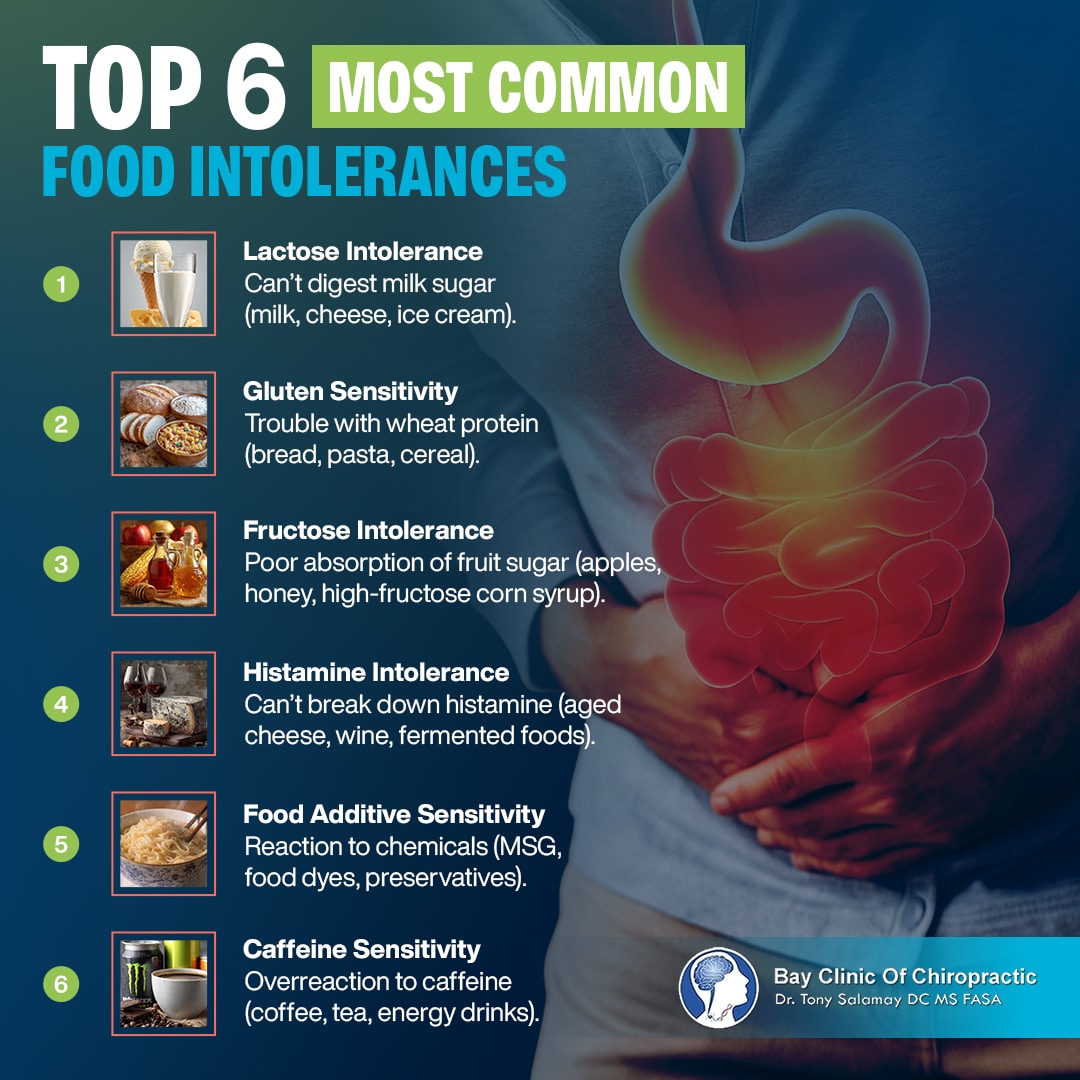
Several types of food intolerance show up often and can lead to recurring symptoms if not identified. Here are the most common types of food intolerance:
- Lactose intolerance: This happens when your body doesn’t make enough lactase, the enzyme that breaks down lactose (milk sugar). This leads to bloating, gas, and diarrhea after eating dairy. A study on lactose intolerance by Dr. Talia F. Malik from the Rosalind Franklin University of Medicine and Science, USA highlights that “Enzyme levels are at the peak shortly after birth and decline after that, despite continued lactose intake.” This means that many people become lactose intolerant as they age.
- Gluten sensitivity: Involves difficulty digesting gluten, a protein in wheat, barley, and rye. It can cause brain fog, joint pain, and digestive problems. It’s not the same as celiac disease, which is an autoimmune condition.
- Fructose intolerance: Caused by poor absorption of fructose, a natural sugar in fruit, honey, and some sweeteners. Symptoms include bloating, cramping, and diarrhea.
- Histamine intolerance: Results from the body’s inability to break down histamine, a compound found in aged cheeses, fermented foods, and alcohol. It can trigger headaches, flushing, hives, and digestive upset.
- Food additive sensitivity: Some people react to preservatives, colorings, or flavor enhancers like MSG. Reactions vary but may include headaches, rashes, or stomach pain.
- Caffeine sensitivity: Affects how your body handles caffeine from coffee, tea, or energy drinks. It may cause jitters, rapid heartbeat, or digestive discomfort even in small doses.
What Are The Symptoms Of Food Intolerance?

The symptoms of food intolerance include:
- Bloating: Excess gas builds up in your gut, making your stomach feel swollen or tight.
- Gas: Undigested food ferments in your intestines, causing uncomfortable or embarrassing flatulence.
- Stomach cramps: Sharp or aching pain in your abdomen from irritated digestive muscles.
- Diarrhea: Loose or watery stools can follow eating certain foods your body struggles to process.
- Constipation: In some cases, food intolerance slows digestion and causes hard, infrequent stools.
- Nausea: You may feel queasy or sick to your stomach after eating a trigger food.
- Fatigue: Ongoing digestive stress can leave you feeling tired or sluggish, even without other clear symptoms.
- Headaches: Chemical triggers like histamines or food additives can lead to tension or migraine-like pain.
- Brain fog: Trouble focusing or mental fatigue often follows digestive discomfort tied to food sensitivity.
- Skin issues: Rashes, itching, or redness may appear, especially with histamine or additive reactions.
These symptoms can overlap with other conditions, which makes food intolerance easy to overlook or misdiagnose.
What Causes Food Intolerance?
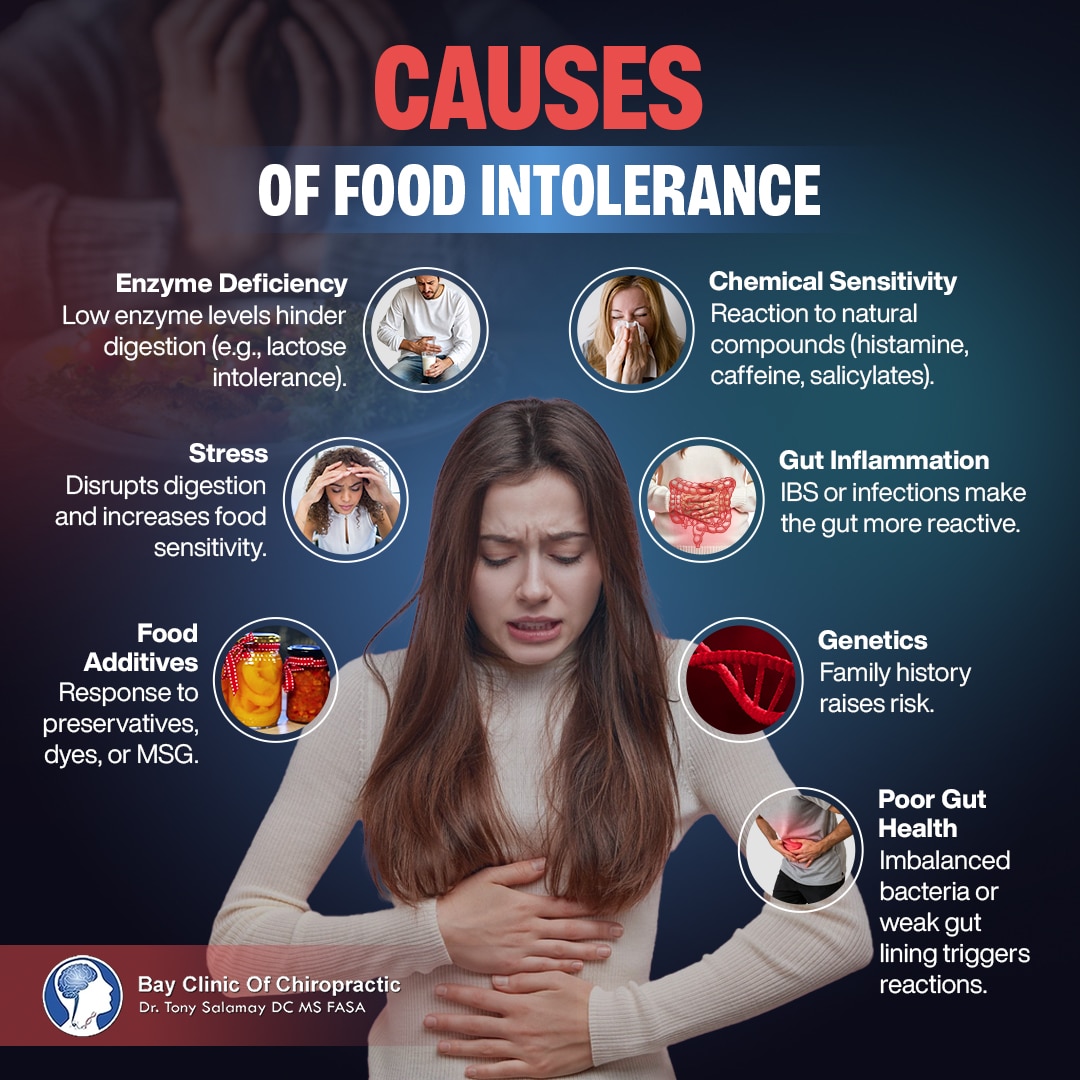
Several factors can interfere with your body’s ability to digest certain foods or ingredients:
- Enzyme deficiency: Missing or low enzyme levels prevent proper digestion. Lactose intolerance is the most common example.
- Chemical sensitivity: Some people react to natural food chemicals like histamine, caffeine, or salicylates, leading to symptoms after eating.
- Food additives: Preservatives, colorings, or artificial flavors like MSG can irritate the gut or trigger headaches and skin reactions.
- Gut inflammation: Conditions like IBS or infections can damage the gut lining, making it more reactive to certain foods.
- Stress: Ongoing stress affects digestion, alters gut bacteria, and increases sensitivity to foods you usually tolerate.
- Genetics: Intolerances often run in families. If relatives have similar symptoms, you may be more likely to develop them.
- Poor gut health: An imbalance of gut bacteria or a weakened gut barrier increases the chance of food reactions and poor digestion.
Natural Treatments for Food Intolerance
Natural treatments for food intolerances focus on improving digestion, reducing inflammation, and supporting gut health over time. Unlike medications that only manage symptoms, these approaches target the root causes. The right combination can help you tolerate more foods and avoid long-term discomfort.
Treatment looks different for everyone. What works for one person might not help another. That’s why it’s important to address your specific triggers and symptoms. The following options include dietary changes, targeted supplements, herbal remedies, and other holistic therapies that support the gut-brain connection.
Functional Medicine
Functional medicine looks at how different systems in your body work together. Instead of just treating symptoms, it focuses on identifying and correcting the root cause of food intolerance.
A functional medicine approach usually starts with detailed testing. These may include stool tests, food sensitivity panels, nutrient analysis, and gut microbiome evaluations. The goal is to see what’s affecting your digestion, immune response, or gut barrier.
Based on the results, your functional medicine provider may recommend changes in diet, lifestyle, and supplements. This could include eliminating trigger foods, healing the gut lining, or balancing gut bacteria. They will also look at outside factors like stress, sleep, inflammation, and toxin exposure. These can all impact digestion and gut function. Even mild chronic stress can worsen symptoms if left unchecked.
Functional medicine uses a step-by-step process to restore balance. This approach is personalized. It takes into account your unique history, symptoms, and needs. Over time, it can reduce reactivity to food and improve your overall digestion.
Functional medicine is best guided by a trained practitioner with experience in digestive health and food intolerance.
Dietary Changes
Changing your diet is one of the most effective ways to manage food intolerance. The goal isn’t just to avoid problem food but to support better digestion and reduce inflammation.
This usually starts with an elimination phase. You remove suspected trigger foods for a few weeks, then reintroduce them slowly to see how your body reacts. This helps you figure out what’s truly causing symptoms.
Long term, it’s not just about cutting foods out. You’ll also want to include nutrient-dense, anti-inflammatory foods that support gut healing. Choosing the right foods can improve how your digestive system functions and reduce food reactions over time.
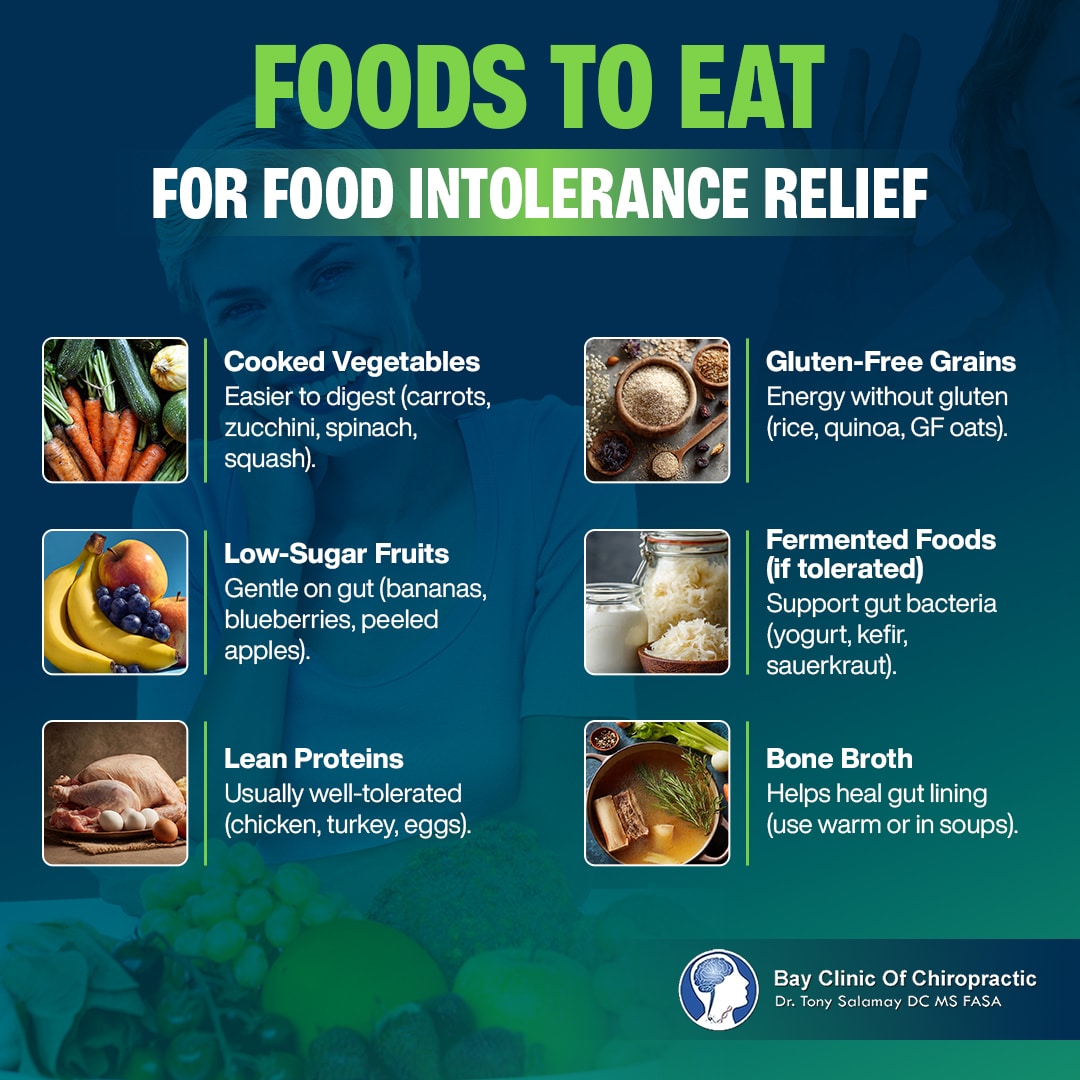
The next two sections break down what to eat and what to avoid when managing food intolerance.
Foods to Eat for Food Intolerance
- Cooked vegetables: They are easier to digest than raw. Go for carrots, zucchini, spinach, or squash. Light steaming helps break down fiber.
- Low-sugar fruits: Bananas, blueberries, and peeled apples are gentle on the gut. Avoid dried or canned fruit with added sugar.
- Lean proteins: Chicken, turkey, and eggs are usually well-tolerated. Cook simply using boiling, baking, or grilling to reduce fat load.
- Gluten-free grains (for those sensitive to gluten): Rice, quinoa, and oats support energy without triggering gluten sensitivity. Soak grains before cooking if bloating is an issue.
- Fermented foods (if tolerated): Yogurt, kefir, or sauerkraut provide beneficial bacteria. Start small to see how your body reacts.
- Bone broth: Rich in amino acids that help repair the gut lining. Sip warm or use as a base for soups.
Foods to Avoid for Food Intolerance
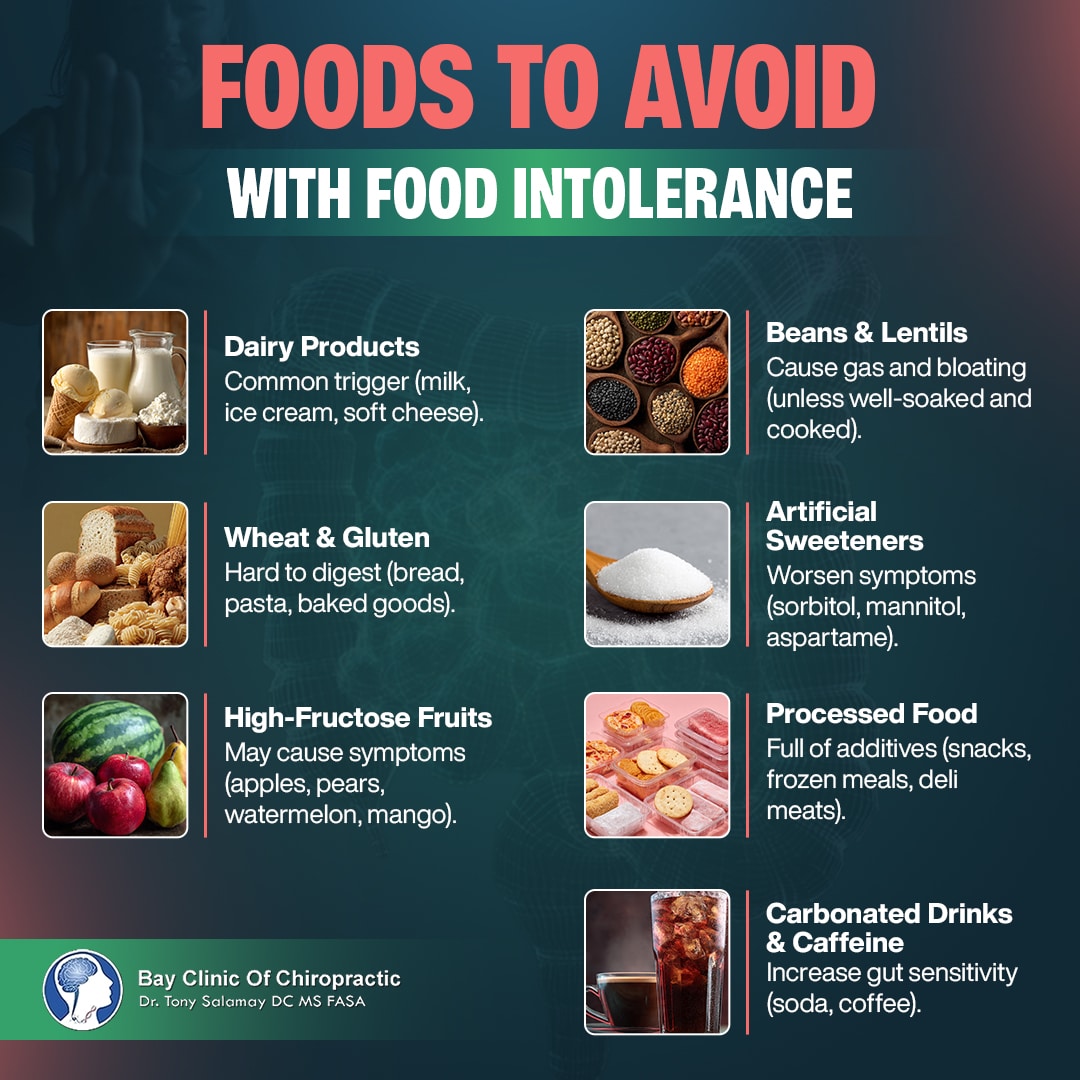
- Dairy products: Milk, ice cream, and soft cheeses often trigger symptoms in lactose-intolerant individuals. Try lactose-free or plant-based alternatives.
- Wheat and gluten: Bread, pasta, and baked goods made with wheat can irritate the gut. Choose certified gluten-free versions.
- High-fructose fruits: Apples, pears, watermelon, and mango are harder to digest if fructose is a trigger. Stick to low-fructose options.
- Beans and lentils: These can cause gas and bloating due to complex carbs. If tolerated, soak and cook thoroughly to reduce side effects.
- Artificial sweeteners: Sorbitol, mannitol, and aspartame may worsen bloating and diarrhea. Check labels on gum, candy, and diet products.
- Processed food: Packaged snacks, frozen meals, and deli meats often contain additives and preservatives that trigger reactions. Stick to whole, fresh foods.
- Carbonated drinks and caffeine: Soda and coffee can increase gut sensitivity and discomfort. Switch to herbal teas or water with lemon.
Supplements
Supplements can support digestion and help reduce symptoms linked to food intolerance. They’re not a replacement for dietary changes but can improve how your body handles certain foods. The right supplements depend on what’s causing your intolerance. Some help break down food more effectively. Others reduce inflammation or support the gut lining.
Always check with a healthcare provider before starting supplements, especially if you take medications or have underlying conditions. The following options are commonly used to support digestive health and may be helpful for food intolerance.
Digestive Enzymes
Digestive enzymes are proteins that help break down food into nutrients your body can absorb. They include amylase (breaks down carbohydrates), protease (proteins), and lipase (fats). These enzymes ease the digestive process, reducing symptoms like bloating, gas, and discomfort associated with food intolerances.
While your pancreas produces digestive enzymes, certain foods also contain them. For example, pineapples provide bromelain (a protease), and papayas offer papain, both aiding protein digestion. Fermented foods like yogurt and kefir naturally contain enzymes that assist in breaking down lactose, benefiting those with lactose intolerance.
Supplementing with digestive enzymes can be beneficial for individuals with enzyme deficiencies or specific food intolerances. However, the appropriate type and dosage vary based on individual needs and should be determined in consultation with a healthcare provider.
There isn’t a standardized recommended daily allowance for digestive enzyme supplements, as needs differ among individuals. It’s essential to follow dosing instructions provided by manufacturers or healthcare professionals.
Magnesium
Magnesium is a vital mineral involved in over 300 enzymatic reactions in the body, including energy production, muscle function, and nerve transmission. It also plays a crucial role in regulating blood pressure and supporting immune health.
For those with food intolerances, magnesium aids in muscle relaxation and may help alleviate gastrointestinal cramps and spasms. Natural sources of magnesium include leafy green vegetables (such as spinach), nuts (like almonds and cashews), seeds (pumpkin and chia), whole grains, and legumes.
According to the National Institutes of Health, the recommended daily allowance (RDA) for magnesium varies by age and sex: adult men require 400-420 mg, while adult women need 310-320 mg. Pregnant women have a higher requirement, ranging from 350-360 mg daily. To meet these needs, incorporate magnesium-rich foods into your diet. If considering supplements, consult a healthcare provider or a functional medicine practitioner to determine the appropriate dosage and to avoid potential interactions with other medications.
Vitamin D
Vitamin D is a fat-soluble vitamin essential for calcium absorption, bone health, immune system support, and modulation of cell growth. It also plays a role in reducing inflammation and supporting neuromuscular functions.
For individuals with food intolerances, maintaining adequate vitamin D levels can enhance immune resilience and may improve gut health. Natural sources of vitamin D include fatty fish (such as salmon and mackerel), fish liver oils, and fortified foods like milk, orange juice, and cereals. Sunlight exposure also stimulates vitamin D synthesis in the skin.
According to the National Institutes of Health, the recommended daily allowance (RDA) for vitamin D varies by age: adults aged 19-70 years require 600 IU (15 mcg), while those over 70 need 800 IU (20 mcg). Individuals with limited sun exposure or absorption issues may require higher intakes, but it’s crucial to consult a healthcare provider or a functional medicine practitioner before starting supplements to determine the appropriate dosage and prevent potential toxicity.
Herbal Remedies
Certain herbs can help ease symptoms linked to food intolerance. They work by calming the digestive system, reducing inflammation, and supporting smoother digestion.
Herbs are often used as teas, tinctures, or capsules. Many have been used for centuries to treat bloating, cramping, and nausea. While they’re not a cure, they can provide noticeable relief when used consistently and in the right dose.
Not all herbs work the same way, and effects vary from person to person. Start with small amounts and track how your body responds. It’s always a good idea to consult a healthcare provider to ensure safety.
The next few sections cover gentle herbs that are commonly used to support digestion and reduce discomfort from food intolerances.
Ginger
Ginger is a root widely used for both culinary and medicinal purposes. It contains compounds like gingerol that have strong anti-inflammatory and antioxidant properties. For food intolerance, ginger helps calm the digestive tract, reduce bloating, and ease nausea. It also promotes the movement of food through the stomach, which can prevent the sluggish digestion that worsens symptoms.
Ginger is especially useful if you often feel full, gassy, or queasy after eating. A study by Dr. Princy Louis Palatty from the Father Muller Medical College, Kankanady, India shows that ginger effectively reduces nausea and vomiting.
You can use ginger in several forms. Fresh ginger root can be sliced into tea, added to meals, or chewed raw in small amounts. Dried ginger is available in powder form for cooking or capsules. Ginger tea is a popular choice for daily digestive support. Liquid extracts and tinctures offer concentrated doses.
For most people, ginger is gentle and safe, but it’s best to start with small doses to see how your system responds.
Peppermint
Peppermint is an herb known for its cooling scent and soothing effect on the digestive tract. It contains menthol, a compound that helps relax the smooth muscles of the intestines. This can ease cramping, gas, and bloating, especially in people with food intolerance or irritable bowel symptoms.
Peppermint is also helpful for nausea and indigestion after eating. One of the most effective forms is enteric-coated peppermint oil capsules, which pass through the stomach and release in the intestines. This allows the active compounds to work where they’re most needed. Peppermint tea is another easy option, often used after meals to calm digestion.
You can also find peppermint in tinctures and essential oils, though essential oils should never be taken internally. Peppermint works best when taken consistently but may cause heartburn in some people, so it’s important to monitor how your body reacts.
Chamomile
Chamomile is a gentle herb often used to calm the stomach and reduce digestive discomfort. It has natural anti-inflammatory, antispasmodic, and mild sedative effects, which can help ease cramping, gas, and bloating related to food intolerance.
Chamomile also supports the nervous system, making it useful when stress is contributing to digestive issues. Most people use chamomile as a tea, often consumed after meals or before bed to promote relaxation and smoother digestion. It’s also available as liquid extracts, capsules, and tinctures.
The dried flowers can be steeped at home for a stronger, fresher tea. Chamomile is typically well-tolerated, even for those with sensitive stomachs, but it should be avoided by anyone with ragweed allergies, as they may react to similar plant compounds. When used regularly, chamomile may help reduce food reactions by calming both the gut and the mind.
Chiropractic Care
Chiropractic care focuses on improving nervous system function by adjusting misalignments in the spine. While it’s best known for treating back and neck pain, it can also support digestive health. The nerves that control your digestive organs pass through the spine. If those nerves are compressed or irritated due to spinal misalignment, it may affect how well your digestive system functions.
For people with food intolerance, this can mean slower digestion, increased bloating, or irregular bowel movements. Gentle spinal adjustments can help restore proper nerve communication between the brain and gut, potentially improving how your body processes food.
A study on the effect of chiropractic care for GI disorders by Dr. Katherine Angus from the Chiropractic and Health Associates Clinic, Toronto, Ontario, Canada found that chiropractic care may help improve GI symptoms in some patients, especially in the absence of serious coexisting conditions.
Chiropractors may also address posture, stress, and tension that contribute to digestive symptoms. Many patients notice better digestion and reduced symptoms after regular visits.
Chiropractic care doesn’t treat food intolerance directly, but it supports the systems that influence digestion. It works best when combined with diet and lifestyle changes.
Acupressure
Acupressure is a therapy that involves applying gentle pressure to specific points on the body to improve energy flow and relieve symptoms. It’s based on principles similar to acupuncture but uses fingers instead of needles. For food intolerance, acupressure can help reduce digestive discomfort by relaxing the muscles in the stomach and intestines, promoting smoother digestion, and easing bloating or nausea.
Several acupressure points are known to support digestion. One commonly used point is P6 (Neiguan), located on the inner wrist, which helps with nausea. Another is ST36 (Zusanli), located on the lower leg, and often used to boost overall digestive strength.
You can apply acupressure at home using firm, steady pressure for 1-2 minutes on each point. It’s safe, non-invasive, and can be combined with other treatments. While it doesn’t cure food intolerance, it may offer relief when symptoms flare, especially after eating trigger foods.
Frequently Asked Questions
What Is The Difference Between Food Intolerance And Food Allergies?
According to a study by Dr. Domenico Gargano from the San Giuseppe Moscati Hospital, Avellino, Italy, food allergies involve the immune system and can cause immediate, sometimes life-threatening reactions. Food intolerance doesn’t involve immunity and usually leads to delayed digestive symptoms like bloating or gas. Allergies require strict avoidance, while intolerances may allow small amounts without severe effects.
Can Food Intolerance Cause Constipation?
Yes, food intolerance can lead to constipation. For example, lactose intolerance has been associated with constipation in some individuals. Additionally, a study by Dr. Alina Kanikowska from the Poznan University of Medical Sciences, Poland shows that diets low in fermentable carbohydrates (low-FODMAP diets) may improve constipation symptoms in certain cases.
Can Food Intolerance Cause Fatigue?
Yes. In a study by Dr. Peter Manu from the University of Connecticut School of Medicine, Farmington, USA, out of 200 patients with chronic fatigue, 13.5% reported food intolerance involving at least three food groups. Although not identified as the direct cause, food intolerance was considered part of a broader somatic symptom pattern that may contribute to fatigue.
Can You Be Tested For Food Intolerance?
Yes. Functional medicine uses a combination of elimination diets, food journals, and targeted lab tests or gut microbiome analysis. While blood tests offer clues, symptom tracking and reintroduction remain key. Testing is personalized and helps identify patterns that standard testing may miss.
Conclusion
Food intolerance can quietly disrupt your life with symptoms like bloating, fatigue, headaches, or irregular digestion. Unlike food allergies, these reactions aren’t immediate or immune-based, which makes them harder to spot. Understanding the common types, such as lactose or histamine intolerance, and knowing what causes them is the first step toward relief.
Natural treatments like functional medicine, dietary changes, targeted supplements, herbal remedies, and chiropractic care can help address the root issues. These approaches focus on improving digestion, calming inflammation, and supporting long-term gut health without masking symptoms.
Your body doesn’t lie- it just needs someone to help interpret what it’s saying.
At the Bay Clinic of Chiropractic in Panama City, FL, Dr. Tony Salamay takes a whole-body, functional approach to help you uncover and manage food intolerances naturally. With advanced functional diagnostics and personalized care, he helps you move from guessing to knowing, and from reacting to healing.
Ready to stop avoiding foods and start understanding your body? Reach out to the Bay Clinic of Chiropractic today- because relief starts with the right guide.
References
- Zopf Y, Baenkler HW, Silbermann A, Hahn EG, Raithel M. The differential diagnosis of food intolerance. Deutsches Ärzteblatt International [Internet]. 2009 May 22;106(21):359–69; quiz 369. Available from: https://pmc.ncbi.nlm.nih.gov/articles/PMC2695393/
- Tuck CJ, Biesiekierski JR, Schmid-Grendelmeier P, Pohl D. Food intolerances. Nutrients [Internet]. 2019 Jul 22;11(7):1684. Available from: https://pmc.ncbi.nlm.nih.gov/articles/PMC6682924/
- Tuck CJ, Biesiekierski JR, Schmid-Grendelmeier P, Pohl D. Food Intolerances. Nutrients [Internet]. 2019 Jul 22;11(7):1684. Available from: https://www.mdpi.com/2072-6643/11/7/1684
- Goosenberg E, Afzal M. Lactose intolerance [Internet]. StatPearls – NCBI Bookshelf. 2025. Available from: https://www.ncbi.nlm.nih.gov/books/NBK532285/
- Comas-Basté O, Sánchez-Pérez S, Veciana-Nogués MT, Latorre-Moratalla M, Del Carmen Vidal-Carou M. Histamine intolerance: the current state of the art. Biomolecules [Internet]. 2020 Aug 14;10(8):1181. Available from: https://pmc.ncbi.nlm.nih.gov/articles/PMC7463562/
- Iovino P. Bloating and functional gastro-intestinal disorders: Where are we and where are we going? World Journal of Gastroenterology [Internet]. 2014 Jan 1;20(39):14407. Available from: https://pmc.ncbi.nlm.nih.gov/articles/PMC4202369/
- Diaz S, Bittar K, Hashmi MF, Mendez MD. Constipation [Internet]. StatPearls – NCBI Bookshelf. 2023. Available from: https://www.ncbi.nlm.nih.gov/books/NBK513291/
- Diaz S, Bittar K, Hashmi MF, Mendez MD. Constipation [Internet]. StatPearls – NCBI Bookshelf. 2023. Available from: https://www.ncbi.nlm.nih.gov/books/NBK513291/
- Shimada A, Cairns BE, Vad N, Ulriksen K, Pedersen AML, Svensson P, et al. Headache and mechanical sensitization of human pericranial muscles after repeated intake of monosodium glutamate (MSG). The Journal of Headache and Pain [Internet]. 2013 Jan 24;14(1). Available from: https://pmc.ncbi.nlm.nih.gov/articles/PMC3606962/
- Celi A, Trelis M, Ponce L, Ortiz V, Garrigues V, Soriano JM, et al. Food-Intolerance Genetic Testing: a useful tool for the dietary management of chronic gastrointestinal disorders. Nutrients [Internet]. 2024 Aug 16;16(16):2741. Available from: https://pmc.ncbi.nlm.nih.gov/articles/PMC11357470/
- Bland J. Defining function in the functional medicine model [Internet]. 2017. Available from: https://pmc.ncbi.nlm.nih.gov/articles/PMC5312741/
- Stefanicka-Wojtas D, Kurpas D. Personalised Medicine—Implementation to the Healthcare system in Europe (Focus Group discussions). Journal of Personalized Medicine [Internet]. 2023 Feb 21;13(3):380. Available from: https://pmc.ncbi.nlm.nih.gov/articles/PMC10058568/
- Buratti S, Cappa C, Benedetti S, Giovanelli G. Influence of cooking conditions on nutritional properties and sensory characteristics interpreted by E-Senses: Case-Study on selected vegetables. Foods [Internet]. 2020 May 9;9(5):607. Available from: https://pmc.ncbi.nlm.nih.gov/articles/PMC7278733/
- Roszkowska A, Pawlicka M, Mroczek A, Bałabuszek K, Nieradko-Iwanicka B. Non-Celiac gluten sensitivity: A review. Medicina [Internet]. 2019 May 28;55(6):222. Available from: https://pmc.ncbi.nlm.nih.gov/articles/PMC6630947/
- Hegde VS, Sharman T. Hereditary fructose intolerance [Internet]. StatPearls – NCBI Bookshelf. 2023. Available from: https://www.ncbi.nlm.nih.gov/books/NBK559102/
- Bae JH, Park JH, Im SS, Song DK. Coffee and health. Integrative Medicine Research [Internet]. 2014 Aug 30;3(4):189–91. Available from: https://pmc.ncbi.nlm.nih.gov/articles/PMC5481750/
- Akinfemiwa O, Zubair M, Muniraj T. Amylase [Internet]. StatPearls – NCBI Bookshelf. 2023. Available from: https://www.ncbi.nlm.nih.gov/books/NBK557738/
- Pirahanchi Y, Sharma S. Biochemistry, lipase [Internet]. StatPearls – NCBI Bookshelf. 2023. Available from: https://www.ncbi.nlm.nih.gov/books/NBK537346/
- Kansakar U, Trimarco V, Manzi MV, Cervi E, Mone P, Santulli G. Exploring the therapeutic potential of bromelain: applications, benefits, and mechanisms. Nutrients [Internet]. 2024 Jun 28;16(13):2060. Available from: https://pmc.ncbi.nlm.nih.gov/articles/PMC11243481/
- Office of Dietary Supplements – magnesium [Internet]. Available from: https://ods.od.nih.gov/factsheets/Magnesium-HealthProfessional/
- Office of Dietary Supplements – Vitamin D [Internet]. Available from: https://ods.od.nih.gov/factsheets/VitaminD-HealthProfessional/
- Yücel Ç, Karatoprak GŞ, Açıkara ÖB, Akkol EK, Barak TH, Sobarzo-Sánchez E, et al. Immunomodulatory and anti-inflammatory therapeutic potential of gingerols and their nanoformulations. Frontiers in Pharmacology [Internet]. 2022 Sep 5;13:902551. Available from: https://pmc.ncbi.nlm.nih.gov/articles/PMC9483099/
- Palatty PL, Haniadka R, Valder B, Arora R, Baliga MS. Ginger in the Prevention of Nausea and Vomiting: A Review. Critical Reviews in Food Science and Nutrition [Internet]. 2012 Sep 4;53(7):659–69. Available from: https://www.tandfonline.com/doi/abs/10.1080/10408398.2011.553751
- Ertürk NE, Taşcı S. The effects of peppermint oil on nausea, vomiting and retching in cancer patients undergoing chemotherapy: an open Label Quasi–Randomized controlled pilot study. Complementary Therapies in Medicine [Internet]. 2020 Oct 9;56:102587. Available from: https://www.sciencedirect.com/science/article/pii/S0965229920318549?via%3Dihub
- Asian Pacific Journal of Cancer Prevention [Internet]. Available from: https://journal.waocp.org/?sid=Entrez:PubMed&id=pmid:27644672&key=2016.17.8.4125
- Saadatmand S, Zohroudi F, Tangestani H. The effect of oral chamomile on anxiety: A systematic review of clinical trials. Clinical Nutrition Research [Internet]. 2024 Jan 1;13(2):139. Available from: https://pmc.ncbi.nlm.nih.gov/articles/PMC11109927/
- Angus K, Asgharifar S, Gleberzon B. What effect does chiropractic treatment have on gastrointestinal (GI) disorders: a narrative review of the literature [Internet]. 2015. Available from: https://pmc.ncbi.nlm.nih.gov/articles/PMC4486990/
- Li H. Acupuncture and regulation of gastrointestinal function. World Journal of Gastroenterology [Internet]. 2015 Jan 1;21(27):8304. Available from: https://pmc.ncbi.nlm.nih.gov/articles/PMC4507100/
- Gargano D, Appanna R, Santonicola A, De Bartolomeis F, Stellato C, Cianferoni A, et al. Food Allergy and Intolerance: A Narrative review on nutritional concerns. Nutrients [Internet]. 2021 May 13;13(5):1638. Available from: https://pmc.ncbi.nlm.nih.gov/articles/PMC8152468/
- Kanikowska A, Janisz S, Mańkowska-Wierzbicka D, Gabryel M, Dobrowolska A, Eder P. Management of Adult Patients with Gastrointestinal Symptoms from Food Hypersensitivity—Narrative Review. Journal of Clinical Medicine [Internet]. 2022 Dec 9;11(24):7326. Available from: https://www.mdpi.com/2077-0383/11/24/7326
- Manu P, Matthews DA, Lane TJ. Food intolerance in patients with chronic fatigue. Wiley Online Library [Internet]. 1993 Mar 1; Available from: https://onlinelibrary.wiley.com/doi/abs/10.1002/1098-108X%28199303%2913%3A2%3C203%3A%3AAID-EAT2260130208%3E3.0.CO%3B2-U?sid=nlm%3Apubmed