Constant bloating, painful cramps, and unpredictable trips to the bathroom can wear you down. When your gut feels out of control, it can make meals feel stressful or uncertain.
That’s where an ulcerative colitis diet comes in. It’s a personalized way of eating that can help reduce inflammation, calm your symptoms, and improve how you feel day to day.
According to Dr. Nasir Abbas from the Combined Military Hospital, Sialkot, PAK, “Diet is an important part of UC management because it can either aggravate or alleviate symptoms along with medication therapy.”
In this article, you’ll learn which foods to avoid because they often trigger flare-ups and irritation. You’ll also discover 6 foods that support holistic healing and symptom control. From fatty fish and probiotic-rich foods to gentle vegetables and refined starches, these choices can make a big difference. We’ll also answer common questions like how this diet may help with joint pain, fatigue, and even brain fog.
You do not need to guess your way through natural management of ulcerative colitis. With the right approach, your food can start working with you instead of against you.
Let’s break it down so you can take back control of your gut and your life.
What Is An Ulcerative Colitis Diet?
An ulcerative colitis diet supports gut healing, reduces inflammation, and eases digestive symptoms. It is not a one-size-fits-all plan. You adjust it based on whether you are in a flare-up or remission.
Ulcerative colitis is a chronic inflammatory bowel disease that affects the colon and rectum. It causes the inner lining of the colon to become inflamed and develop ulcers. Symptoms include diarrhea, abdominal pain, cramping, urgency, fatigue, and weight loss. The severity can vary, and symptoms often come and go.
During flare-ups, the diet aims to reduce irritation. This usually means avoiding high-fiber and gas-producing foods. Bland, low-residue options like white rice, plain toast, and cooked vegetables are often easier to tolerate. In remission, your diet can include more variety and fiber to support gut health.
The focus of this diet includes:
- Reducing symptoms like bloating, cramps, and frequent bowel movements
- Avoiding trigger foods that worsen inflammation or discomfort
- Replenishing nutrients lost from poor absorption or restrictive eating
- Supporting overall immune function and colon health
Always work with your healthcare provider, functional medicine practitioner, or a nutritionist to personalize your plan. Keeping a food and symptom journal helps you identify patterns and triggers.
What Are The Benefits Of An Ulcerative Colitis Diet?

A targeted ulcerative colitis diet does more than reduce symptoms. It helps manage flare-ups, supports remission, and improves your quality of life.
Here are the main benefits:
- Reduces inflammation: Certain foods like fatty fish and olive oil contain anti-inflammatory properties. Limiting trigger foods also prevents further irritation in the colon. This can help calm the immune response and reduce flare-ups.
- Eases digestive symptoms: Choosing easily digestible foods helps reduce bloating, gas, diarrhea, and pain. During flares, avoiding raw vegetables, nuts, seeds, and dairy can make a big difference. Cooked, soft foods are easier on the gut lining.
- Improves nutrient absorption: Damage from inflammation can impair how well your body absorbs nutrients. A well-planned diet replenishes key vitamins and minerals like iron, calcium, and B12. It also supports overall energy and healing.
- Supports remission: A consistent, gut-friendly diet helps extend periods of remission. Eating anti-inflammatory and fiber-rich foods during stable phases strengthens the gut barrier. This may help prevent future flare-ups.
- Prevents weight loss and malnutrition: Ulcerative colitis can make it hard to maintain a healthy weight. Frequent diarrhea, poor appetite, and limited diets contribute to nutrient loss. A balanced plan provides enough calories and nutrients to stay strong.
What Foods To Avoid On An Ulcerative Colitis Diet?
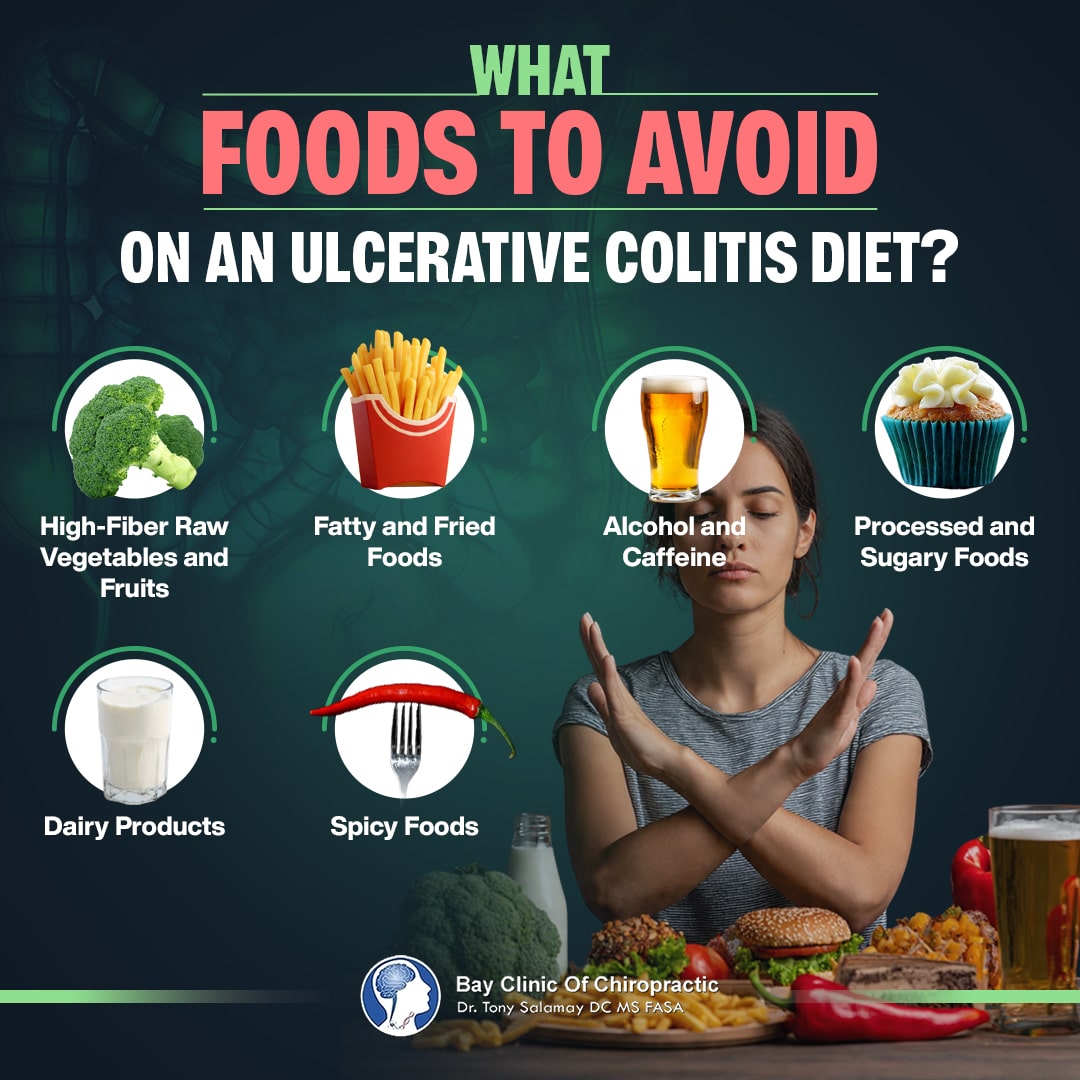
Avoiding certain foods is key to managing ulcerative colitis, especially during flare-ups. These foods can irritate the colon, trigger symptoms, or worsen inflammation.
Here’s what to limit or avoid:
- High-fiber raw vegetables and fruits: Foods like raw broccoli, cabbage, apples with skin, and salads are hard to digest. They can cause gas, bloating, and cramping. Cooking these foods reduces their fiber content and makes them easier on your gut.
- Dairy products: Milk, soft cheeses, and ice cream may trigger symptoms if you are lactose intolerant. Many with ulcerative colitis develop temporary or long-term lactose sensitivity. Opting for lactose-free or plant-based alternatives can help.
- Fatty and fried foods: Greasy foods like french fries, bacon, and fried chicken are hard to digest. They may increase gut motility and worsen diarrhea. These foods also add excess fat, which may trigger inflammation.
- Spicy foods: Hot peppers, chili powder, and spicy sauces can irritate your digestive tract. Even small amounts may increase urgency and abdominal pain during a flare. It is best to use mild seasonings instead.
- Alcohol and caffeine: Beer, wine, coffee, and energy drinks stimulate the bowel and can lead to dehydration. These beverages may worsen diarrhea and interfere with medication absorption. Limit or avoid them based on your tolerance.
- Processed and sugary foods: Candy, pastries, and fast food often contain additives, preservatives, and artificial sweeteners. These can trigger inflammation and digestive upset. Whole, unprocessed foods are a better choice.
6 Foods To Include In An Ulcerative Colitis Diet
Not all foods are harmful during ulcerative colitis. Some actually help soothe the gut, support healing, and reduce inflammation. The key is to choose nutrient-rich options that are easy to digest and gentle on the colon.
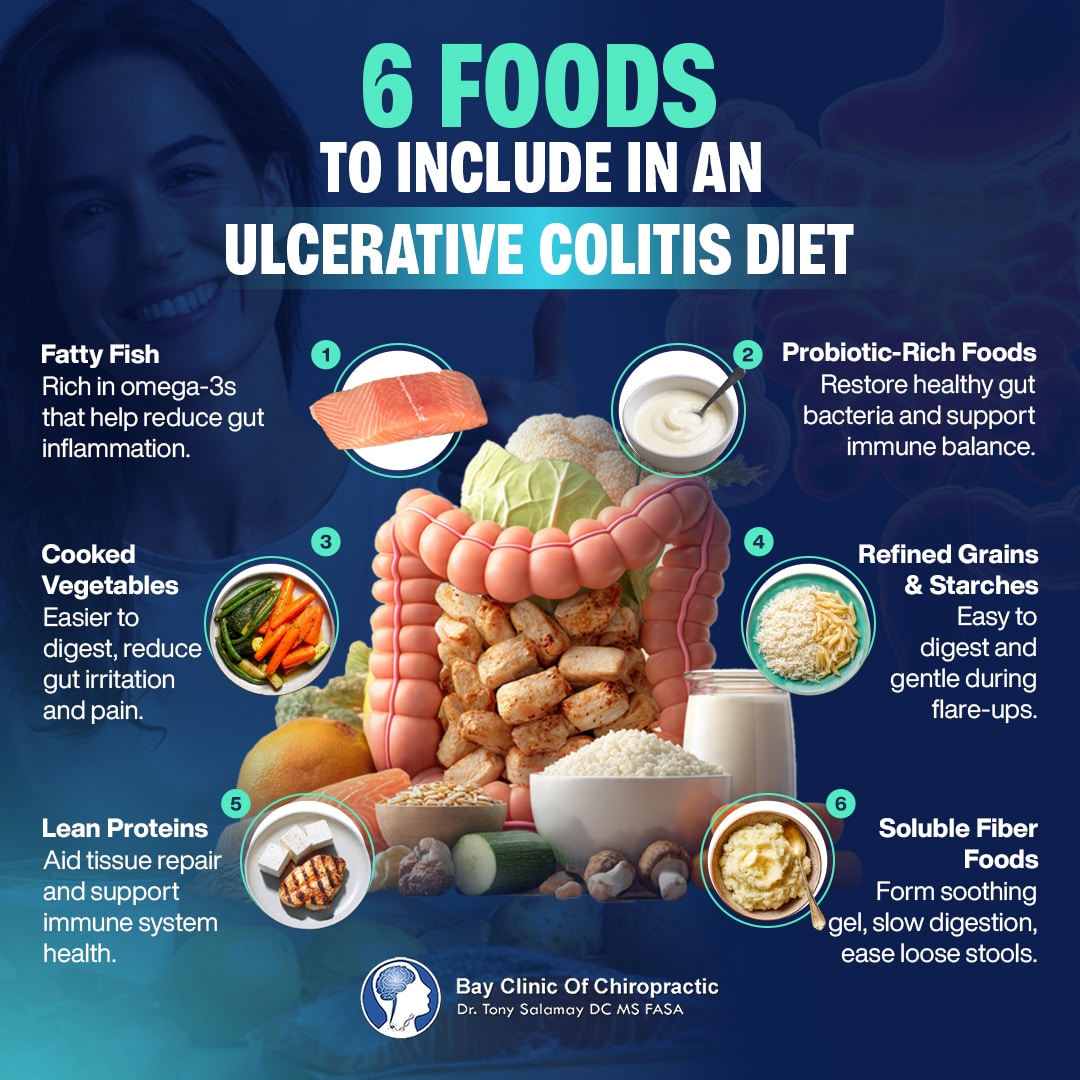
These foods can provide steady energy, promote tissue repair, and help you stay nourished during both flare-ups and remission. While everyone’s tolerance is different, the following six foods and food groups are commonly well-tolerated and supported by research for managing ulcerative colitis symptoms and improving overall gut health:
- Fatty Fish
- Probiotic Rich-Foods
- Soluble Fiber Foods
- Refined Grains and Starches
- Lean Proteins
- Cooked Vegetables
Fatty Fish
Fatty fish provide omega-3 fatty acids that help reduce inflammation in the colon. These fats support immune balance and help maintain the gut lining, which is crucial during ulcerative colitis flare-ups. Low omega-3 intake may allow inflammation to continue, worsening symptoms like cramping and diarrhea.
A seminal open trial by Dr. Peter Salomon at the Mount Sinai School of Medicine, New York, New York, USA, gave patients 2.7 g/day of EPA for eight weeks and saw that 7 of 10 participants showed moderate to marked improvement, with many able to reduce their steroid use.
Good sources include salmon, mackerel, sardines, and anchovies. A 3 oz (85 g) serving of cooked salmon typically contains around 1.5 g of combined EPA and DHA. These fish also provide vitamin D and selenium, which support immune health and reduce inflammation.
Eating fatty fish two to three times per week supports remission and may reduce flare frequency. For those who don’t eat fish, high-quality omega-3 supplements may offer similar benefits. Always check with your provider before starting supplements, especially if you take blood thinners or anti-inflammatory medications.
Fatty fish are a key anti-inflammatory food that can help calm the gut and reduce long-term colon damage.
Probiotic Rich-Foods
Probiotic-rich foods supply live beneficial bacteria that help restore balance in your gut microbiome, often disrupted in ulcerative colitis. These good bacteria support a healthier colon lining and reduce inflammation. Without enough microbial diversity, harmful bacteria may overgrow, worsening symptoms like diarrhea, gas, and urgency.
A 2022 study by Dr. Jana Štofilová from the Pavol Jozef Safarik University in Kosice, Trieda, Slovakia, found that certain probiotic strains, including Lactobacillus plantarum and Saccharomyces boulardii, improved remission rates and reduced inflammation in patients with ulcerative colitis. The review highlighted that probiotic supplementation may be especially helpful during remission maintenance, and in some cases, as an adjunct during flare-ups.
Good sources include yogurt with live cultures, kefir, miso, and fermented vegetables like sauerkraut. Choose unsweetened options and look for labels that mention “live and active cultures.” Aim for one serving per day, and consider rotating different probiotic foods for diversity.
If you are immunocompromised or on immunosuppressants, consult your provider before starting probiotics. In some cases, you may experience temporary gas during microbiome shifts. When well-tolerated, probiotic-rich foods can gently support digestion, immune function, and long-term gut health in ulcerative colitis.
Soluble Fiber Foods
Soluble fiber foods include oats, peeled fruits, and cooked legumes. They absorb water and turn into a gel in the gut. This helps slow digestion, soften stool, and reduce diarrhea- common issues during ulcerative colitis flare-ups. Unlike raw, insoluble fiber, soluble fiber is gentler on the colon and promotes bacterial fermentation.
Soluble fibers feed beneficial gut bacteria. This fermentation produces butyrate, a short-chain fatty acid that nourishes colon cells and supports the gut barrier. A 2022 study by Dr. Kafayat Yusuf from the University of Kansas Medical Center, KS, USA, reported that dietary soluble fiber improved symptoms and quality of life in patients with inflammatory bowel disease. In one clinical trial by Dr. Margareta Nyman from the Lund University, Lund, Sweden, patients consuming oat bran saw increased fecal butyrate and fewer UC flare-ups.
Good sources include oatmeal, oat bran, peeled apples or bananas, and cooked lentils. Start with small portions, such as 2 tablespoons of oat bran or half a cooked banana, and increase slowly. This helps prevent gas and bloating as your gut adjusts.
Including soluble fiber daily supports digestion, helps maintain remission, and strengthens gut health. Monitor your tolerance and adjust based on symptoms. If needed, consult your dietitian about adding fiber supplements like psyllium in a way that’s gentle on your gut.
Refined Grains and Starches
Refined grains and starchy foods like white rice, white bread, and plain pasta are easy to digest and gentle on the gut. During a flare-up of ulcerative colitis, these foods are easier on your colon because they lack the coarse fiber found in whole grains. They often reduce irritation, helping with symptoms like cramping, urgency, and diarrhea. These options also offer quick energy when appetite and absorption are low.
A study by Dr. Brigida Barberio from the University of Padua, Padua, Italy researched dietary approaches for active inflammatory bowel disease. It concluded that low-residue and low-fiber foods like refined grains and starches helped reduce stool volume, frequency, and abdominal pain compared to high-fiber diets.
Good choices include white rice, plain crackers, white pasta, and boiled or mashed potatoes without skin. During flare-ups, avoid whole grains like brown rice or whole wheat bread. As symptoms improve, you may slowly reintroduce small portions of whole grains under professional guidance.
Refined starches give your colon a much-needed rest, helping it heal while maintaining your calorie intake and comfort.
Lean Proteins
Lean proteins such as chicken, turkey, eggs, tofu, and low-fat dairy provide essential amino acids that aid tissue repair and support immune function. These nutrients are especially important during flare-ups when your body needs extra protein to heal the inflamed colon lining. Lean sources also offer steady energy without the saturated fats found in red meat, which may worsen inflammation.
Protein helps maintain muscle mass and prevent malnutrition, both common concerns in ulcerative colitis. A 2024 study by Dr. Qingye Li from the Ministry of Agriculture and Rural Affairs, Beijing, China, found that protein nutritional support improved clinical symptoms, reduced complications, and enhanced quality of life in patients with inflammatory bowel disease.
Good choices include grilled chicken, poached eggs, baked tofu, and low-fat yogurt. Aim for 15 to 30 grams of protein at each meal, depending on your weight and activity level. Choose cooking methods like baking, steaming, or grilling to keep meals gentle on your digestive system.
Including lean protein with each meal supports healing, maintains strength, and keeps your immune system working efficiently.
Cooked Vegetables
Cooking vegetables makes them easier to digest and gentler on your inflamed colon. It breaks down tough fibers and removes skins or seeds that might irritate the gut lining. Eating soft, cooked vegetables can help you get vital vitamins and minerals without triggering symptoms like bloating, gas, or cramps.
A meta-analysis by Dr. Alireza Milajerdi from the Tehran University of Medical Sciences, Tehran, Iran, found that higher vegetable intake was linked to a roughly 44 percent lower risk of ulcerative colitis onset. This suggests vegetables play a protective role in gut health. While the study focused on prevention, we advise to consume well-cooked, peeled, and seeded vegetables like carrots, zucchini, and squash to ease symptoms during flares.
Good options include:
- Carrots, peeled and steamed until very soft
- Zucchini or yellow squash, deseeded and gently sautéed
- Potatoes, peeled and mashed or roasted without skin
- Green beans or parsnips, cooked until tender
Start with small servings and chew thoroughly to monitor tolerance. Including one or two servings of cooked vegetables daily supports nutrient intake and fiber balance without aggravating your colon.
Soft, cooked vegetables help you maintain essential nutrition while minimizing gut stress during ulcerative colitis flares.
Frequently Asked Questions
Can An Ulcerative Colitis Diet Help With Joint Pain?
Yes, it can help reduce joint pain by lowering inflammation throughout the body. A narrative review by Dr. Ilenia Di Cola from the University of L’Aquila, L’Aquila, Italy, highlighted that enteropathic arthritis often worsens alongside gut inflammation in IBD. Anti-inflammatory dietary patterns such as the Mediterranean or low-inflammatory diets have shown to reduce joint swelling, tenderness, and pain in people with IBD-related arthritis. Including foods like fatty fish, olive oil, and cooked vegetables may ease both gut and joint symptoms.
Can An Ulcerative Colitis Diet Improve Brain Fog?
Yes, an ulcerative colitis diet can improve brain fog by reducing gut inflammation and restoring gut‑brain balance. Chronic gut inflammation releases cytokines and harmful metabolites that negatively affect brain function. A study by Dr. Caitlin V. Hall from the Kings College London, London, United Kingdom, found that ongoing intestinal inflammation alters brain activity and impairs cognition in IBD . Including gut‑friendly foods like probiotics, omega‑3s, and soluble fiber helps lower inflammatory signals, supports healthy microbial balance, and may help clear mental fog by calming gut‑brain communication.
Can A Low-FODMAP Diet Help Ulcerative Colitis Bloating And Gas?
Yes, a low‑FODMAP diet can help with bloating and gas during ulcerative colitis remission by reducing fermentable carbs that fuel symptoms. A randomized study by Dr. Natalia Pedersen from the University of Copenhagen, Denmark, researched IBD patients and found that the diet significantly reduced abdominal pain, bloating, and improved quality of life in ulcerative colitis and Crohn’s cases.
Can Ulcerative Colitis Diets Reduce Fatigue?
Yes, an ulcerative colitis diet can reduce fatigue by improving nutrient intake and lowering inflammation. Fatigue is common in ulcerative colitis, often due to poor nutrient absorption, anemia, or chronic inflammation. A 2024 study by Dr. Roberta Loveikyte from the Leiden University Medical Center, Leiden, the Netherlands, found that a 12-month lifestyle program, which included personalized diet guidance, improved fatigue in 82 percent of patients with inactive inflammatory bowel disease.
Conclusion
What you eat can either aggravate or ease ulcerative colitis symptoms. The right diet reduces inflammation, supports remission, and helps you manage fatigue, bloating, and joint pain.
Avoiding common triggers and adding gut-friendly foods like fatty fish, probiotic-rich yogurt, and cooked vegetables can protect your colon and improve daily comfort. Whether you are in a flare or remission, your food choices matter.
Food is more than just fuel when your gut is inflamed. It becomes a daily tool to support healing and long-term stability.
At the Bay Clinic of Chiropractic in Panama City, Florida, Dr. Tony Salamay offers a full-body approach to ulcerative colitis care. He combines chiropractic treatment, functional nutrition, and personalized care plans to target theroot cause of inflammation. With advanced testing and years of experience, Dr. Salamay helps you rebuild health from the inside out.
If your gut needs a fresh start, reach out to the Bay Clinic of Chiropractic today. Let your path to relief begin with the right care.
References
- Abbas N, Shakil M, Rana ZA, Ali SB, Awan AA, Gul S. A Systematic Review of the Role of Diet in Ulcerative Colitis. Cureus [Internet]. 2023 May 22;15(5):e39350. Available from: https://pmc.ncbi.nlm.nih.gov/articles/PMC10284595/
- Ungaro R, Mehandru S, Allen PB, Peyrin-Biroulet L, Colombel JF. Ulcerative colitis. The Lancet [Internet]. 2016 Dec 1;389(10080):1756–70. Available from: https://pmc.ncbi.nlm.nih.gov/articles/PMC6487890/
- Coates MD, Lahoti M, Binion DG, Szigethy EM, Regueiro MD, Bielefeldt K. Abdominal pain in ulcerative colitis. Inflammatory Bowel Diseases [Internet]. 2013 Aug 9;19(10):2207–14. Available from: https://pmc.ncbi.nlm.nih.gov/articles/PMC3749243/
- Weir SBS, Akhondi H. Bland diet [Internet]. StatPearls – NCBI Bookshelf. 2023. Available from: https://www.ncbi.nlm.nih.gov/books/NBK538142/
- Nakarai A, Kato J, Hiraoka S, Takashima S, Takei D, Inokuchi T, et al. Ulcerative colitis patients in clinical remission demonstrate correlations between fecal immunochemical test results, mucosal healing, and risk of relapse. World Journal of Gastroenterology [Internet]. 2016 Jan 1;22(21):5079. Available from: https://pmc.ncbi.nlm.nih.gov/articles/PMC4886383/
- Gudmand-Hoyer E, Jarnum S. Incidence and clinical significance of lactose malabsorption in ulcerative colitis and Crohn’s disease. Gut [Internet]. 1970 Apr 1;11(4):338–43. Available from: https://pmc.ncbi.nlm.nih.gov/articles/PMC1411415/
- Ramos GP, Kane S. Alcohol use in patients with inflammatory bowel disease [Internet]. 2021. Available from: https://pmc.ncbi.nlm.nih.gov/articles/PMC8667378/
- Hawthorne AB, Daneshmend TK, Hawkey CJ, Belluzzi A, Everitt SJ, Holmes GK, et al. Treatment of ulcerative colitis with fish oil supplementation: a prospective 12 month randomised controlled trial. Gut [Internet]. 1992 Jul 1;33(7):922–8. Available from: https://pmc.ncbi.nlm.nih.gov/articles/PMC1379405/
- Štofilová J, Kvaková M, Kamlárová A, Hijová E, Bertková I, Guľašová Z. Probiotic-Based Intervention in the Treatment of ulcerative colitis: Conventional and new approaches. Biomedicines [Internet]. 2022 Sep 9;10(9):2236. Available from: https://pmc.ncbi.nlm.nih.gov/articles/PMC9496552/
- Chandrasekaran P, Weiskirchen S, Weiskirchen R. Effects of probiotics on gut Microbiota: An overview. pmc.ncbi.nlm.nih.gov [Internet]. 2024 May 30; Available from: https://doi.org/10.3390/ijms25116022
- Yusuf K, Saha S, Umar S. Health benefits of dietary fiber for the management of inflammatory bowel disease. Biomedicines [Internet]. 2022 May 26;10(6):1242. Available from: https://www.mdpi.com/2227-9059/10/6/1242
- Nyman M, Nguyen TD, Wikman O, Hjortswang H, Hallert C. Oat bran increased fecal butyrate and prevented gastrointestinal symptoms in patients with quiescent Ulcerative Colitis—Randomized Controlled trial. Crohn S & Colitis 360 [Internet]. 2020 Jan 1;2(1):otaa005. Available from: https://pmc.ncbi.nlm.nih.gov/articles/PMC9802401/
- Barberio B, Bertin L, Facchin S, Bonazzi E, Cusano S, Romanelli G, et al. Dietary interventions and oral nutritional supplementation in inflammatory bowel disease: Current evidence and future directions. Nutrients [Internet]. 2025 May 30;17(11):1879. Available from: https://www.mdpi.com/2072-6643/17/11/1879
- Li Q, Wang J. The effect of protein nutritional support on inflammatory bowel disease and its potential mechanisms. Nutrients [Internet]. 2024 Jul 17;16(14):2302. Available from: https://www.mdpi.com/2072-6643/16/14/2302
- Milajerdi A, Ebrahimi-Daryani N, Dieleman LA, Larijani B, Esmaillzadeh A. Association of Dietary Fiber, Fruit, and Vegetable Consumption with Risk of Inflammatory Bowel Disease: A Systematic Review and Meta-Analysis. Advances in Nutrition [Internet]. 2020 Oct 20;12(3):735–43. Available from: https://pmc.ncbi.nlm.nih.gov/articles/PMC8166559/
- Di Cola I, Vallocchia L, Cipriani P, Ruscitti P. Joint manifestations in inflammatory bowel diseases, “Red Flags” for the Early Recognition and Management of Related Arthropathies: A Narrative review. Journal of Clinical Medicine [Internet]. 2025 Feb 26;14(5):1558. Available from: https://www.mdpi.com/2077-0383/14/5/1558
- Hall CV, Radford-Smith G, Savage E, Robinson C, Cocchi L, Moran RJ. Brain signatures of chronic gut inflammation. Frontiers in Psychiatry [Internet]. 2023 Nov 7;14:1250268. Available from: https://pmc.ncbi.nlm.nih.gov/articles/PMC10661239/
- Pedersen N, Ankersen DV, Felding M, Wachmann H, Végh Z, Molzen L, et al. Low-FODMAP diet reduces irritable bowel symptoms in patients with inflammatory bowel disease. World Journal of Gastroenterology [Internet]. 2017 Jan 1;23(18):3356. Available from: https://pmc.ncbi.nlm.nih.gov/articles/PMC5434443/
- Loveikyte R, Koppelman LJM, Blijleven MJH, Wilmsen N, Rodríguez-Girondo MDM, Bloem S, et al. Multimodal lifestyle intervention improves fatigue in quiescent inflammatory bowel disease: a controlled study. Crohn S & Colitis 360 [Internet]. 2024 Dec 30;7(1):otaf009. Available from: https://pmc.ncbi.nlm.nih.gov/articles/PMC11906969/