
After a long day at work, you are absolutely drained and simply cannot wait to get into bed. We’ve all been there. However, imagine if that state of being extremely tired was not just after a long day of work but literally the norm in regular life. This sounds scary, but it is the reality of many in the country.
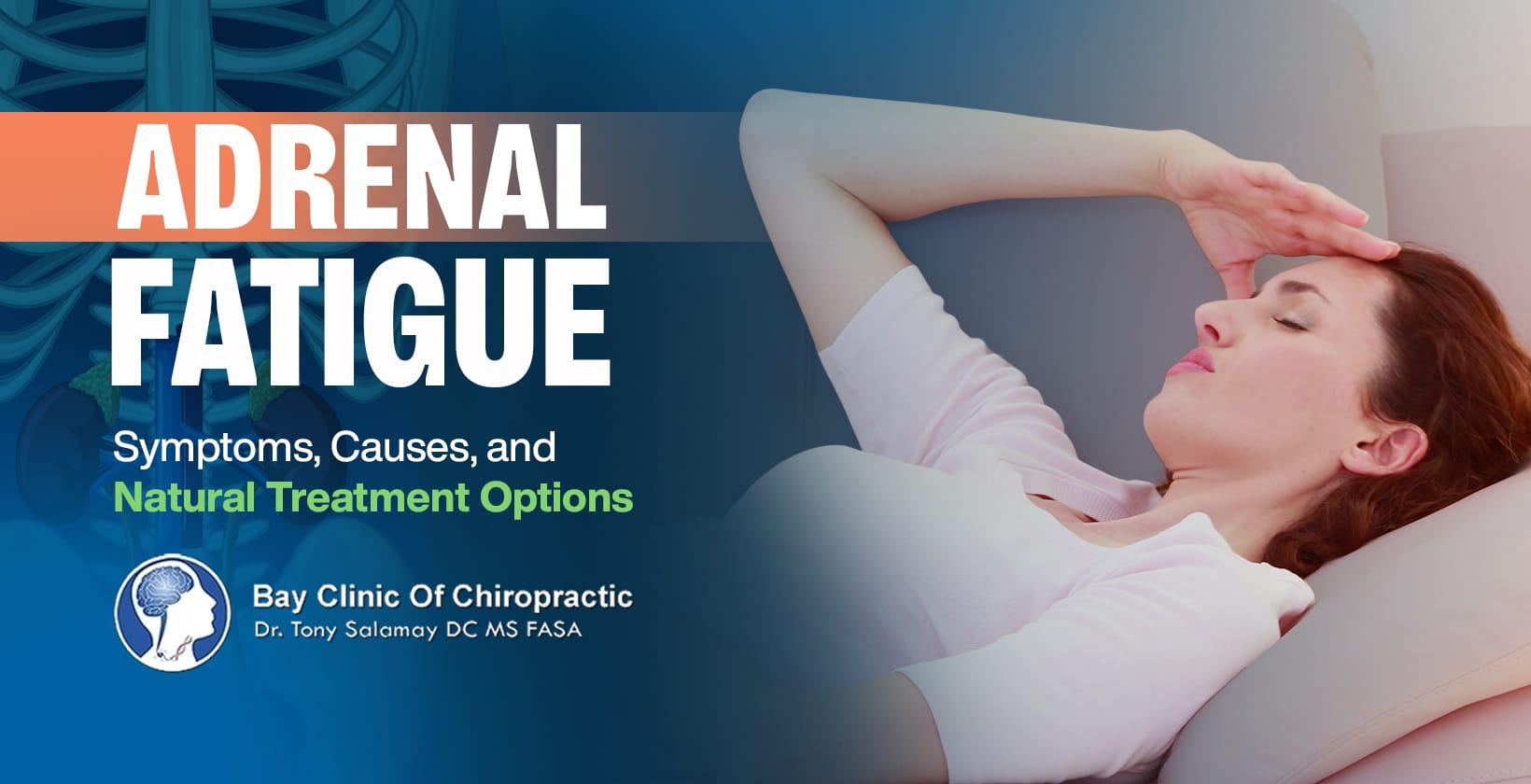
You just cannot seem to escape chronic fatigue and tiredness, and even other symptoms like concentration issues and weight problems. If this sounds like you, this article is for you. Adrenal fatigue is a condition caused by the body’s inability to manage stress effectively due to reduced cortisol production. Cortisol is the hormone responsible for regulating the body’s stress response.
Adrenal fatigue often manifests as chronic fatigue, sleep disturbances, weight gain, low libido, cravings for sweet and salty foods, and brain fog. The primary cause of adrenal fatigue is chronic stress, which arises from prolonged exposure to stress from poor diet, mental health challenges, inadequate sleep, or environmental pollutants.
Fortunately, natural treatment options are available that focus on restoring balance to the body. These include adopting a nutrient-rich diet, using adaptogenic supplements like ashwagandha or ginseng, incorporating stress relief practices such as yoga and meditation, and making lifestyle changes, such as improving sleep quality and limiting alcohol consumption.
Read on to learn more about adrenal fatigue and how you can naturally improve your condition.
What Is Adrenal Fatigue?
Adrenal fatigue is a term used in alternative medicine to describe a state in which the body cannot adequately manage stress due to an underproduction of cortisol (the stress hormone). Cortisol helps in the body’s management of stress by influencing certain physiological processes like blood sugar and blood pressure. Mainstream medicine does not recognize adrenal fatigue, and the concept of adrenal fatigue only exists in alternative medicine
Stress is a nonspecific response by the body to anything that threatens homeostasis (the normal, stable state of the body). Factors that cause stress are known as stressors, and they can be from internal or external sources. Stress is inevitable in life today, and the body manages stress through the actions of the hypothalamic-pituitary-adrenal (HPA) axis.
The activation of the HPA axis by a stressor causes the production of corticotropin-releasing hormone (CRH) by the hypothalamus, which stimulates the production of adrenocorticotropin hormone (ACTH) in the pituitary gland, and finally, cortisol in the adrenal glands. Cortisol is the stress hormone of the body and prepares the body for stress management.
The HPA axis is generally well suited to managing stress in the body. However, repeated exposure to a particular stressor can cause reduced HPA axis response over time. Also, when the stress levels are consistently high for a long time, known as chronic stress, the adrenal glands may get fatigued and cortisol production may begin to fall. This condition is known as adrenal fatigue.
Stages of Adrenal Fatigue
There are 4 stages of adrenal fatigue, following the general adaptation syndrome theory stipulated by Hans Selye (the father of stress). The general adaptation syndrome divides stress response into three stages, namely the alarm reaction, the resistance stage, and the exhaustion stage.

The alarm reaction is the initial stress response. The next stage is resistance, which involves the body resisting the change caused by stress. The final stage is exhaustion, which occurs when the body becomes exhausted from fighting stress.
The stages of adrenal fatigue draw inspiration from Selye’s general adaptation syndrome and are as follows:
- Stage 1 – Alarm reaction stage: The body’s stress response system challenges the stressor and seeks to restore homeostasis
- Stage 2 – Resistance stage: The fight against the stressor continues, and the first signs of a decline in adrenal production becomes apparent.
- Stage 3 – Exhaustion stage: The body cannot cope with daily stressors as the adrenal glands cannot meet up with cortisol demands.
- Stage 4 – Adrenal failure: The adrenal glands are exhausted, and the body succumbs to stress and fatigue.
What Are the Symptoms of Adrenal Fatigue?
The main symptoms of adrenal fatigue are chronic fatigue, sleep problems, weight gain, low libido, brain fog, cravings for sweet and salty foods, and increased PMS symptoms. The exact symptoms observed change varies among individuals, and the severity of these symptoms is mainly determined by the adrenal fatigue stage.

Here are some of the symptoms of adrenal fatigue.
Common symptoms:
- Chronic fatigue
- Sleep problems
- Weight gain, especially in the waist region
- Brain fog
- Lack of energy in the mornings
Less common symptoms:
- Low sex drive
- Anxiety
- Depression
- Cravings for sweet and salty foods
- Reduced immunity
What Are the Causes of Adrenal Fatigue?
The main cause of adrenal fatigue is chronic stress, which is stress that lasts for an extended period and in the absence of acute stressors. Chronic stress results from overwhelming stress, which has multiple potential causes, ranging from health conditions to diet. Anything that can cause chronic stress can cause adrenal fatigue.

Here are some of the causes of adrenal fatigue:
- Unhealthy diet high in sugar and salt
- Exposure to environmental pollutants
- High caffeine intake
- Gluten intolerance
- Mental health problems, like depression and anxiety
- Poor sleep
- Infections
Natural Treatment Options for Adrenal Fatigue
The natural treatment options for adrenal fatigue aim to improve the body’s ability to manage stress and reduce the stress it faces. These treatment options include dietary modifications, supplements, stress relief practices, physical activity, and certain lifestyle changes. They are explained in more detail below.
Diet
Diet plays a role in the management of multiple health conditions, including adrenal fatigue. The foods we eat can directly and indirectly affect the stress levels in the body. Some foods can help the body better fight stress, while others can make it more difficult to fight stress or even add more stressors to the body.
Managing adrenal fatigue involves two main processes: improving the function of the adrenal glands or reducing the stressors the adrenal gland faces. Some foods may assist one of these processes, and some may even influence both processes, offering an even more comprehensive way to fight adrenal fatigue.
Foods that improve the function of the adrenal gland typically do so through the relationship between the gut and the brain, known as the gut-brain axis. The gut-brain axis is a bidirectional connection between the gut and the brain. Foods that influence the gut microbiota can impact brain function, which can extend to the action of the hypothalamus and pituitary gland (two of the three components of the HPA-axis).
The other main process in managing adrenal fatigue is reducing the stress the adrenal glands face. Foods that do this usually reduce the oxidative stress the body faces. Oxidative stress occurs when an imbalance between free radicals (unstable molecules that can damage cell membranes, proteins, and DNA) and antioxidants (molecules that fight free radicals). Chronic stress causes oxidative stress, which then affects the adrenal glands and potentially causes adrenal fatigue.
Some foods can also increase stress levels in the body. Avoiding these foods is as important as finding the right foods to incorporate into an adrenal fatigue management diet. Below are some of the foods to eat and foods to avoid when managing adrenal fatigue.

Foods That Support Adrenal Fatigue
The foods to eat when managing adrenal fatigue are mostly foods with antioxidant properties. These foods typically contain vitamin C, vitamin C, beta-carotene, anthocyanins, and glutathione.
- Fruits – Apples, blueberries, blackberries, cranberries, grapes, avocados
- Vegetables – Broccoli, Brussels sprouts, kale, cabbage, collard greens
- Whole grains – Barley, quinoa, brown rice, millet, sorghum
- Omega-3 fatty acids – Salmon, mackerel, sardines, tuna, herring
- Dark chocolate
- Dairy – Eggs, milk
- Fermented foods – Yogurt, kimchi, kefir, sauerkraut, miso, tempeh
Ensure you talk to your healthcare provider before making drastic changes to your diet, especially if you are already on a specific diet plan.
Foods to Avoid If You Have Adrenal Fatigue
Certain foods can also increase stress levels in the body, particularly by increasing the amount of free radicals in the body, which increases oxidative stress. Some foods can also affect gut function, affecting adrenal function through the gut-brain axis.
- Processed meats (bacon, ham, sausage, hot dogs)
- Fried foods
- Refined grains
- Sweets
- Alcohol
- Caffeine
- Soda
- Artificially sweetened foods

It is impossible to make an exhaustive list of foods to eat and avoid when managing adrenal fatigue. What’s more, the right decisions about foods to eat and foods to cut from your diet are not straightforward, considering the multiple effects foods have on the body. Therefore, it is essential to consult a professional about a diet plan that perfectly suits you, and this is where we come into play at the Bay Clinic of Chiropractic, located in Panama City, Florida.
Dr. Tony Salamay, the lead chiropractor of the clinic, is experienced in a wide range of nutrition services in Panama City, FL, including drafting a personalized diet plan for managing adrenal fatigue. Reach the Bay Clinic of Chiropractic at (850) 785-9372 or through our email info@thebaydoctor.com.
Supplements
Supplements are dietary substances that provide additional nutrients to the body. Their use extends beyond assisting the body’s overall nutrition, as they can help manage some health conditions, including adrenal fatigue. Supplements that help manage adrenal fatigue are those that can reduce stress levels in the body, and they are known as adaptogens.

Adaptogens work to reduce stress in multiple ways. One way is to increase the efficiency of the adrenal glands in producing hormones. Adaptogens may also coordinate the closing of the adrenal glands when there are no stressors, which reduces the stress on the adrenal glands. Antioxidant supplements can also reduce oxidative stress, maintain adrenal function, and reduce overall stress levels.
Some of the supplements for managing adrenal fatigue:
- Ginseng
- Rhodiola Rosea
- Ashwagandha
- Zinc
- Vitamin C
- Coenzyme Q10
- B Vitamins
- Magnesium
- Chinese liquorice
Supplements cannot and should not be taken as miracle cures for health conditions. Also, not all supplements are of the right quality, so the supplement source is as important as the supplement ingredient itself.
Stress Relief Practices

Stress relief practices are behaviors or activities that can assist in stress management. Theoretically, any practice that relieves stress can be a stress relief practice. However, stress relief practices, in a medical context, typically also improve physical or mental health.
The most common stress management practices today draw from the principle of mindfulness, a concept that emphasizes focus on the present moment. However, practices based on physical activity are also useful in effectively managing stress and improving various health parameters, especially those related to the cardiovascular system.
Here are some of the stress relief practices that can help in the management of adrenal fatigue:
- Breathing exercises
- Yoga
- Exercise
- Guided imagery
- Biofeedback
- Cognitive behavioral therapy
Lifestyle Changes

Lifestyle changes are among the easiest ways to manage adrenal fatigue because a significant proportion of the daily stress the body faces is due to lifestyle. For instance, basic activities like going to work and school can introduce stressors to the body. The stressors may not even be related to particular activities but to the environment, like pollution and toxins in foods and drinks.
The right lifestyle changes can promote stress relief and reduce the burden on the adrenal gland, increasing the chances of a full recovery from adrenal fatigue. These lifestyle changes are:
- Quit smoking
- Limit alcohol
- Improve sleep quality
- Stay hydrated
- Remain physically active
- Maintain a healthy weight
Frequently Asked Questions
Can You Fully Recover From Adrenal Fatigue?
Yes, you can fully recover from adrenal fatigue, provided you reduce stress levels in the body and the cortisol production burden on the adrenal glands. Reducing stress levels involves several components, including diet, physical activity, sleep, supplements, stress relief practices, and lifestyle changes like quitting alcohol and smoking.
The adrenal glands can recover fully, as there is no structural damage during adrenal fatigue. After recovering fully from adrenal fatigue, individuals return to their pre-adrenal fatigue states and notice significant improvements in their body’s ability to manage stress.
Does Adrenal Fatigue Go Away On Its Own?
No, adrenal fatigue does not go away on its own, although it may go away without applying any specific treatment option. At its core, adrenal fatigue is caused by chronic stress. Therefore, a less stressful lifestyle can cause adrenal fatigue to disappear, especially when the condition is in its early stages. For many, a less stressful life may simply mean working fewer hours or sleeping better.
Some people who have adrenal fatigue may not realize it, and changing their lifestyle may help manage the condition without seeing a functional health practitioner or altering their diet. However, even when there is no conscious or intentional effort to manage adrenal fatigue, the condition only goes away when there are changes to stress levels through lifestyle modifications.
People with advanced stages of adrenal fatigue will require more intentional and directed efforts to manage the condition. Health practitioners may recommend dietary changes, supplements, stress relief practices, and specific lifestyle changes.
Is Adrenal Fatigue the Same as Addison’s Disease?
No, adrenal fatigue is not the same as Addison’s disease, although they are both adrenal insufficiencies where the adrenal gland does not adequately produce cortisol. These conditions differ in their pathophysiology, diagnosis, and treatment. Addison’s disease is recognized by conventional medicine, while adrenal fatigue isn’t.
Addison’s disease is a disorder where cortisol production by the adrenal glands reduces, and this reduction can be easily assessed biochemically using the ACTH challenge test. On the other hand, cortisol reduction in adrenal fatigue is not significant enough to be detected by the biochemical ACTH challenge test. Adrenal fatigue is a chronic condition, and the minimal reduction in cortisol production only becomes a problem after extended periods.
The management of Addison’s disease usually revolves around the use of corticosteroids, while adrenal fatigue is mainly managed with natural treatment options. Addison’s disease is not curable, so full recovery from the condition is never really possible, in contrast to adrenal fatigue, where full recovery is possible.
Can You Prevent Adrenal Fatigue?
Yes, you can prevent adrenal fatigue by avoiding chronic stress, but this is not always easy in today’s world. Adrenal fatigue is caused by chronic stress, which persists for a long time and remains even when there are no stressors. Chronic stress typically results from extended exposure to stressors.
Today’s world exposes us to many stressors, and avoiding these stressors is not always easy. However, proper diet, sleep, physical activity levels, and lifestyle can support the body’s efforts in managing this stress. Therefore, chronic stress is preventable, and by implication, adrenal fatigue is also preventable.
Conclusion
Adrenal fatigue can significantly impact the quality of life through chronic fatigue, brain fog, weakness, sexual problems, and reduced immunity from infections. Individuals can manage adrenal fatigue by addressing its root cause and chronic stress through natural approaches such as a healthy diet, adaptogenic supplements, stress relief practices, and lifestyle modifications. What’s more, these strategies aid recovery and promote long-term physical and mental well-being.
At the Bay Clinic of Chiropractic in Panama City, Florida, we offer personalized nutrition plans, advice on stress management strategies, and holistic treatment approaches to help restore balance and support long-term health. Call (850) 785-9372 or email info@thebaydoctor.com to schedule your consultation today!
References
- Leistner C, Menke A. Hypothalamic–pituitary–adrenal axis and stress. Handbook of Clinical Neurology [Internet]. 2020 Jan 1;55–64. Available from: https://www.sciencedirect.com/science/article/abs/pii/B9780444641236000047
- Allen MJ, Sharma S. Physiology, Adrenocorticotropic Hormone (ACTH) [Internet]. StatPearls – NCBI Bookshelf. 2023. Available from: https://www.ncbi.nlm.nih.gov/books/NBK500031/
- Thau L, Gandhi J, Sharma S. Physiology, cortisol [Internet]. StatPearls – NCBI Bookshelf. 2023. Available from: https://www.ncbi.nlm.nih.gov/books/NBK538239/
- Herman JP, McKlveen JM, Ghosal S, Kopp B, Wulsin A, Makinson R, et al. Regulation of the Hypothalamic‐Pituitary‐Adrenocortical stress response. Comprehensive Physiology [Internet]. 2016 Mar 15;603–21. Available from: https://pmc.ncbi.nlm.nih.gov/articles/PMC4867107/
- Tan S, Yip A. Hans Selye (1907–1982): Founder of the stress theory. Singapore Medical Journal [Internet]. 2018 Apr 1;59(4):170–1. Available from: https://pmc.ncbi.nlm.nih.gov/articles/PMC5915631/
- Mariotti A. The Effects of Chronic stress on Health: New insights into the molecular mechanisms of Brain–Body Communication. Future Science OA [Internet]. 2015 Jun 17;1(3). Available from: https://pmc.ncbi.nlm.nih.gov/articles/PMC5137920/
- Naidoo U. Eat to beat stress. American Journal of Lifestyle Medicine [Internet]. 2020 Dec 8;15(1):39–42. Available from: https://pmc.ncbi.nlm.nih.gov/articles/PMC7781050/
- Carabotti M, Scirocco A, Maselli MA, Severi C. The gut-brain axis: interactions between enteric microbiota, central and enteric nervous systems [Internet]. 2015. Available from: https://pmc.ncbi.nlm.nih.gov/articles/PMC4367209/
- Liu T, Ji H, Li Z, Luan Y, Zhu C, Li D, et al. Gut microbiota causally impacts adrenal function: a two-sample mendelian randomization study. Scientific Reports [Internet]. 2024 Oct 7;14(1). Available from: https://www.nature.com/articles/s41598-024-73420-w
- Juszczyk G, Mikulska J, Kasperek K, Pietrzak D, Mrozek W, Herbet M. Chronic stress and oxidative stress as common factors of the pathogenesis of depression and Alzheimer’s disease: The role of antioxidants in prevention and treatment. Antioxidants [Internet]. 2021 Sep 9;10(9):1439. Available from: https://pmc.ncbi.nlm.nih.gov/articles/PMC8470444/
- Patani A, Balram D, Yadav VK, Lian KY, Patel A, Sahoo DK. Harnessing the power of nutritional antioxidants against adrenal hormone imbalance-associated oxidative stress. Frontiers in Endocrinology [Internet]. 2023 Nov 30;14. Available from: https://pmc.ncbi.nlm.nih.gov/articles/PMC10720671/
- Gonzalez MJ, Miranda-Massari JR. Diet and stress. Psychiatric Clinics of North America [Internet]. 2014 Sep 12;37(4):579–89. Available from: https://www.researchgate.net/publication/265645052_Diet_and_Stress
- Liao LY, He YF, Li L, Meng H, Dong YM, Yi F, et al. A preliminary review of studies on adaptogens: comparison of their bioactivity in TCM with that of ginseng-like herbs used worldwide. Chinese Medicine [Internet]. 2018 Nov 16;13(1). Available from: https://pmc.ncbi.nlm.nih.gov/articles/PMC6240259/
- Patani A, Balram D, Yadav VK, Lian K-Y, Patel A, Sahoo DK. Harnessing the power of nutritional antioxidants against adrenal hormone imbalance-associated oxidative stress. Front Endocrinol (Lausanne). 2023 Nov 30;14:1271521. doi:10.3389/fendo.2023.1271521. Available from: https://www.ncbi.nlm.nih.gov/pmc/articles/PMC10720671/
- Worthen M, Cash E. Stress management [Internet]. StatPearls – NCBI Bookshelf. 2023. Available from: https://www.ncbi.nlm.nih.gov/books/NBK513300/
- Dyer KA. Daily healthy habits to reduce stress and increase longevity. Journal of Interprofessional Education & Practice [Internet]. 2022 Dec 8;30:100593. Available from: https://www.sciencedirect.com/science/article/abs/pii/S2405452622001008